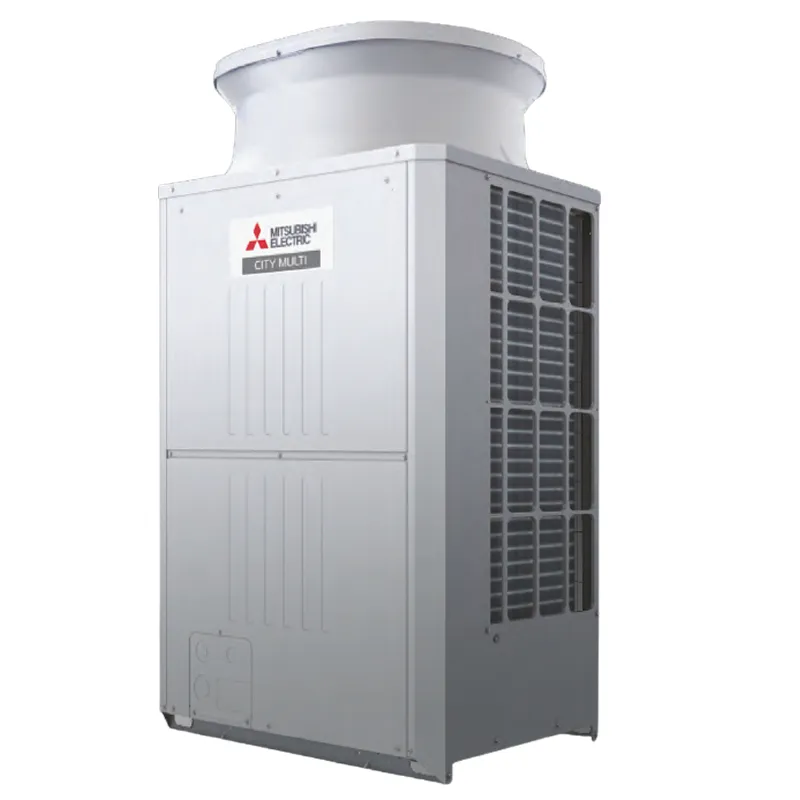

Managing climate control in large commercial setups—like corporate parks, multi-specialty hospitals, and luxury hotels—presents a complex engineering challenge. Different areas of a building often require completely different temperature controls at the exact same time. Traditional centralized air conditioning units often struggle with this flexibility, leading to uneven cooling and skyrocketing energy bills.
Variable Refrigerant Flow (VRF) HVAC systems have emerged as the industry standard for modern commercial infrastructure across major urban hubs like Delhi NCR.
Understanding How Commercial VRF Systems Work
Unlike standard fixed-speed systems that run at full capacity regardless of the actual cooling load, a VRF system operates dynamically. It uses advanced inverter compressor technology to adjust refrigerant flow to each indoor unit based on real-time room requirements.
This means if only three conference rooms in a ten-story building are occupied, the system scales down motor speeds automatically, delivering only the exact tonnage required.
Key Commercial Benefits of VRF Integration:
- Significant Energy Efficiency: By eliminating the wasteful "on-off" cycles of traditional compressors, VRF systems drastically lower monthly operational power consumption.
- Independent Zone Control: Each room, floor, or department maintains precise climate settings, preventing workplace temperature disputes and improving occupant comfort.
- Simultaneous Heating and Cooling: Advanced heat-recovery VRF configurations can capture waste heat from cooling zones and redistribute it to areas requiring heating—ideal for glass-facade buildings.
- Quiet Indoor Environment: Sound-dampened compressors and low-decibel indoor fan units ensure whisper-quiet operation across office floors and hospital wards.
- Architectural Versatility: Modular outdoor units take up significantly less rooftop space, and lightweight refrigerant piping reduces structural loads compared to massive chilled-water ductwork.
Ensuring Long-Term Performance Through Expert Design
While VRF technology is inherently efficient, system performance heavily depends on proper load calculation, accurate pipe sizing, and expert commissioning. Poorly designed refrigerant layouts can lead to oil return issues or premature compressor failure.
Partnering with experienced MEP and HVAC engineers guarantees seamless installation and optimal system life. For tailored design, ductwork, and complete turnkey execution, explore specialized VRF System HVAC Solutions by Pujnik to ensure your commercial facility achieves maximum energy savings.



























Sign in to leave a comment.