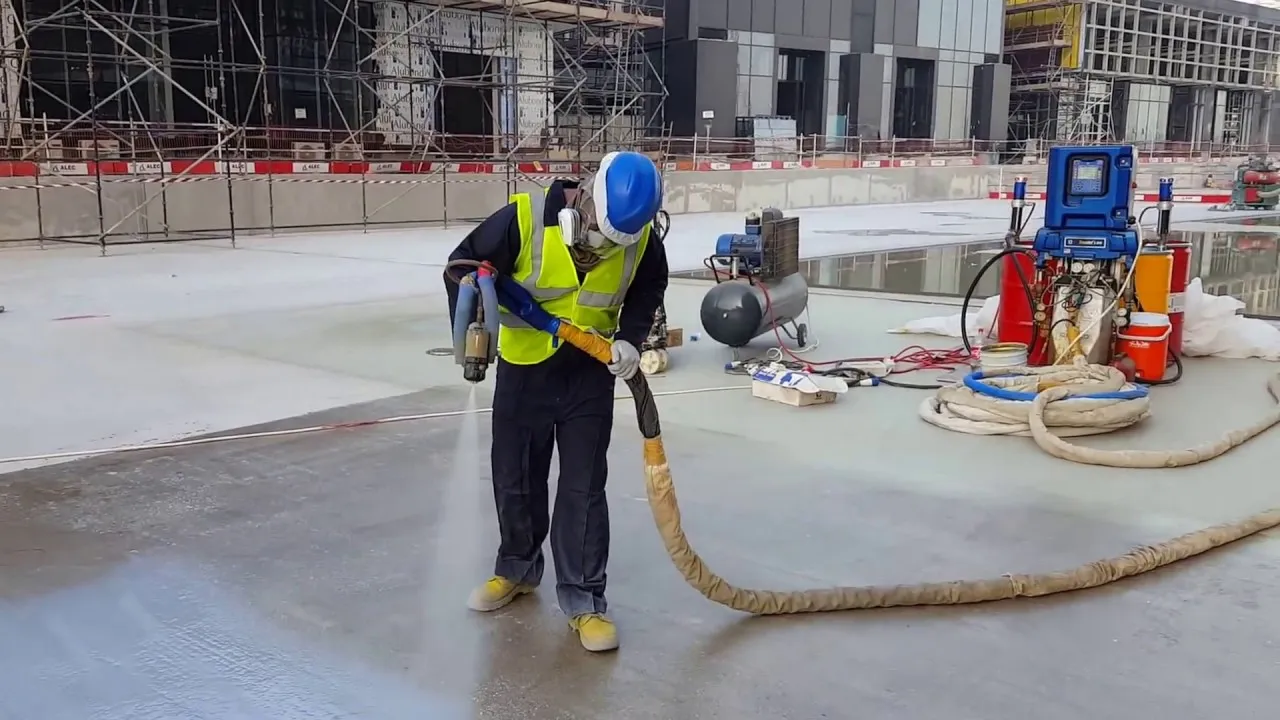
Concrete floors often develop cracks because of drying shrinkage, temperature swings, and heavy weight loads. Property owners can address these issues and prevent future damage by using polyurea coatings, which create a flexible and waterproof barrier over the surface. These coatings bridge small gaps and stop moisture from entering the slab, ensuring the floor stays intact for years.
This guide provides a detailed look at the causes of concrete failure and the technology behind modern floor protection. Readers can learn about the application process and how to choose the right materials for a facility. Working with a trusted Polyurea Coating Contractor in Pflugerville, TX ensures the correct products and techniques are used for long-lasting results. This information comes from years of industry experience in floor restoration and surface protection.

Common Reasons Your Concrete Floor Develops Cracks
Concrete is a strong material, but it lacks flexibility. When a slab is first poured, it contains more water than is needed for the chemical hardening process. As this extra water evaporates, the slab shrinks. This movement creates internal tension that leads to visible lines on the surface.
Soil movement under a building also causes significant issues. If the ground settles unevenly, the concrete slab loses its support. This lack of a solid base forces the material to bend, which it cannot do without breaking. This often results in long, deep cracks that span across an entire room.
While ground shifts create structural pressure, external climate factors further stress the material. Temperature changes represent another frequent cause of damage. In areas with high heat or freezing cold, the concrete expands and contracts. Without proper control joints, the slab will crack at its weakest points. Constant heavy foot traffic or machinery use only makes these existing small fissures wider over time.
3 Ways Polyurea Coatings Protect Your Surface
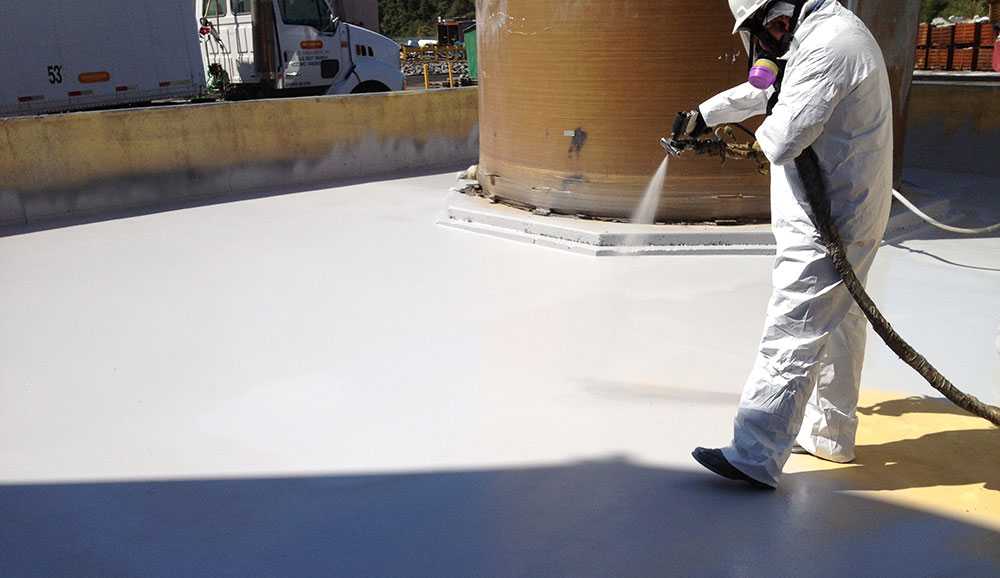
Polyurea coatings offer a level of durability that traditional paints or epoxies cannot match. This material is a subgroup of polyurethane that cures much faster and remains flexible after it hardens. It acts as a shield that moves with a building rather than cracking under pressure.
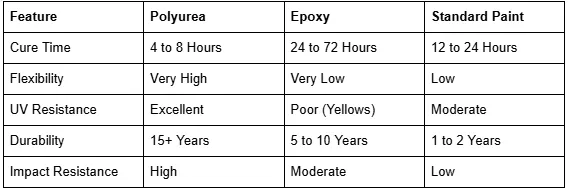
1. Extreme Flexibility and Elongation. One of the best features of this material is its ability to stretch. While epoxy is brittle and can snap when the concrete shifts, polyurea can stretch up to 300% of its original length. This elongation allows the coating to bridge small cracks that may develop in the slab later.
2. Rapid Curing and Fast Return to Service. Business owners often worry about downtime during floor repairs. A standard polyurea coating system cures in just a few hours rather than days. Pedestrians can often walk on the surface within four to eight hours, and heavy vehicles can use it within twenty-four hours.
3. Resistance to Chemicals and Moisture: Concrete is naturally porous, meaning it absorbs liquids like a sponge. When oil, salt, or water enters those pores, the internal structure weakens. This coating creates a non-porous layer that prevents these substances from reaching the concrete. This protection is especially useful in garages or industrial settings.
Comparing Performance Across Common Floor Coatings
Selecting the right product requires understanding how different materials handle stress and environmental factors. The table below outlines the differences facility managers should keep in mind.
How Climate Impacts Your Concrete Durability
Local weather plays a major role in how long a floor lasts. In colder regions, the freeze-thaw cycle is a primary enemy of concrete. Water enters tiny pores, freezes, and expands, which eventually causes the surface to flake or pop off.
In humid coastal areas, salt air can penetrate the slab and reach the steel reinforcement bars inside. When that steel rusts, it expands and pushes the concrete apart from the inside out. Using high-quality polyurea coating services helps seal these pores to prevent salt and water from starting the oxidation process.
Heat is also a factor in the southern states. High temperatures can cause some coatings to peel or lose their bond. Polyurea is thermally stable, meaning it maintains its grip and strength even when the floor gets very hot. This makes it a reliable choice for outdoor patios or sun-drenched shop floors.
What Are the Steps for a Professional Application
A successful project depends on the preparation of the surface. Installers cannot simply pour the coating over a dirty or oily floor. A professional polyurea coating contractor will start by grinding the surface with industrial diamonds. This process removes the top "laitance" layer and opens the pores of the concrete.
After grinding, the team repairs any existing cracks or pits using a specialized filler. This ensures the final surface is perfectly flat. They then use high-powered vacuums to remove every bit of dust. Any debris left behind will prevent the coating from sticking properly.
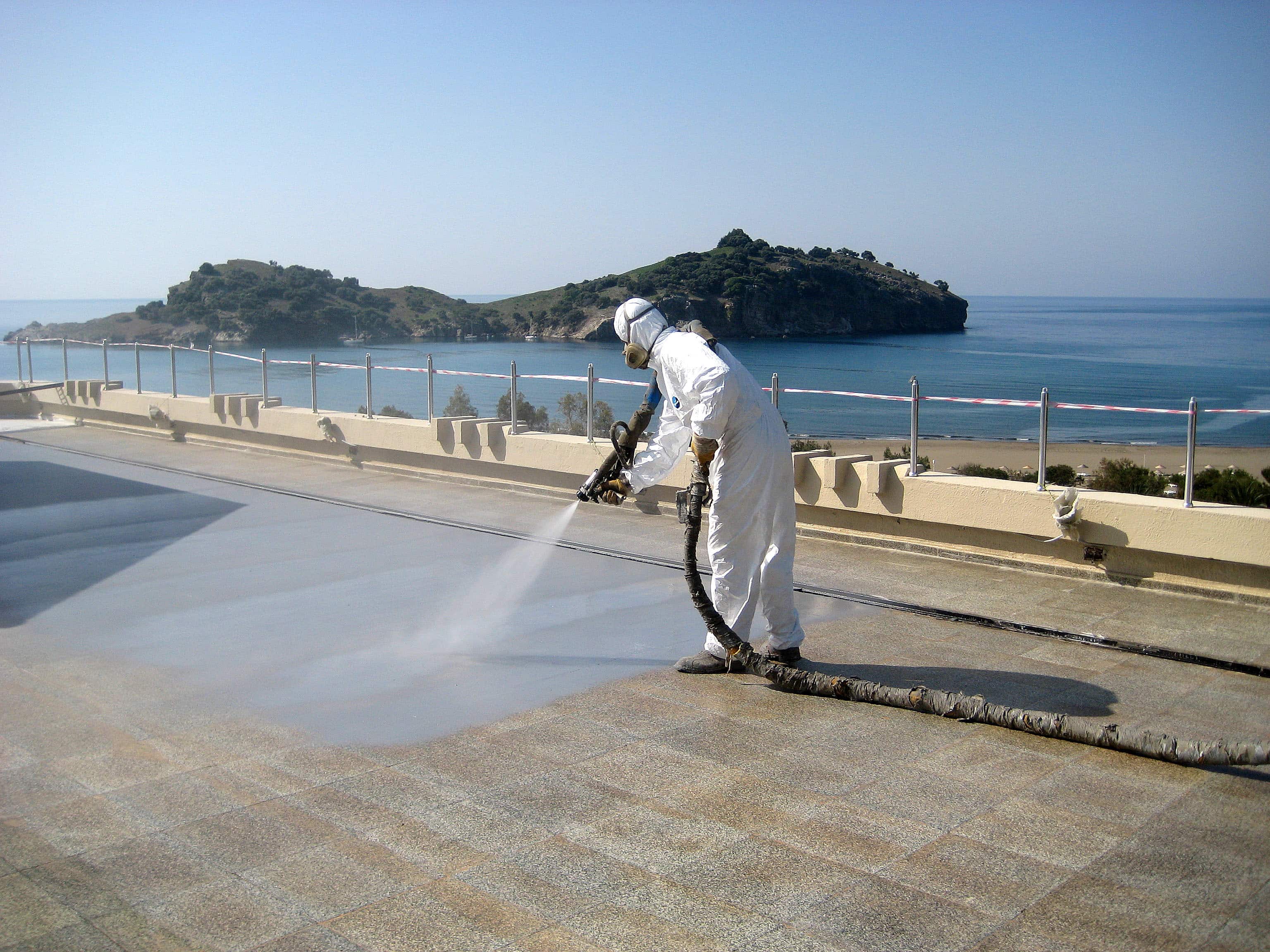
The application involves mixing two components right at the spray nozzle or in a dedicated pump. Because it cures so fast, the installers must work quickly and accurately. They typically apply a primer coat, a base coat with optional decorative flakes, and a clear topcoat for maximum shine and protection.
4 Things to Consider Before Starting Your Floor Project
1. Moisture Levels in the Slab: Before applying any coating, professionals must test the concrete for moisture vapor. Excessive water rising through the slab can cause bubbles to form under the new floor. A calcium chloride test can confirm the environment is dry enough for a successful bond.
2. The Condition of the Concrete: If a floor is crumbling or has major structural issues, a coating might not be enough. Coatings are meant for surface protection and minor crack bridging. Property owners should have a professional inspect the slab to see if it needs a full replacement or just a high-quality surface treatment.
3. Desired Finish and Safety: It is helpful to think about how the space will be used. If a team is coating a commercial kitchen or a wet garage, they may want to add an anti-slip additive. This creates a textured surface that provides better traction even when the floor is wet.
4. Budget and Longevity: While polyurea costs more upfront than epoxy or paint, it lasts much longer. This should be viewed as a long-term investment. Saving money now on a cheaper product often leads to higher costs later when the floor starts to peel or crack again within a few years.
Bonus Tip: It is a good idea to ask for a sample of the finished texture. What looks good in a brochure might feel different under feet or tires.
Important Factors for Your Flooring Decisions
The market for high-performance coatings is growing rapidly. Data shows that the global polyurea market is expanding by nearly 10% every year as more people move away from traditional epoxy. This shift is happening because property owners value the faster turnaround times and the better return on investment.
When looking for polyurea coatings, check the solids content of the product. Low-quality versions may contain solvents that evaporate, leaving a thinner layer behind. High-solids polyurea stays thick and strong, providing a much better barrier against heavy impacts and chemical spills.
Bonus Tip: Avoid applying coatings during periods of extreme humidity. While polyurea is more tolerant of moisture than epoxy, very high humidity can still affect the bond during the first few minutes of the application.
Summary of Key Benefits for Your Floors
Concrete cracking is a natural result of the material's properties and environmental stress. However, owners do not have to accept a damaged floor as an unavoidable problem. By choosing a flexible and durable coating, they stop the cycle of decay and create a surface that is easy to clean and maintain.
The speed of the application means an upgrade can occur without a massive disruption to a daily routine. Property managers should evaluate current floor conditions and consider the long-term savings of a high-performance system. A well-protected floor increases property value and reduces the need for expensive structural repairs in the future.
How to Get Expert Help for Your Floor Protection Needs
If it is time to protect concrete with a high-performance system, reaching out to a professional is the best next step. Spray Foam Tech offers specialized services to help secure a property against moisture and wear. Whether a project involves a residential garage or a large industrial warehouse, they provide the expertise required for a lasting finish. They can be reached at (737) 777-9590 or via email at [email protected] to discuss project details. They provide free quotes and help choose the right options for specific climates and usage needs. Taking action now prevents small cracks from turning into major structural failures later.
Common Questions About Concrete Protection and Coatings
How long do these coatings actually last?
A professionally installed system typically lasts 15 years or more. Because the material is UV-stable and flexible, it does not peel or yellow like cheaper alternatives.
Can these coatings be applied over old epoxy?
Usually, the old epoxy must be removed through diamond grinding. This ensures the new coating bonds directly to the concrete for the strongest possible grip.
Is the smell of the chemicals dangerous during application?
Most high-quality polyurea products have very low odors and zero volatile organic compounds (VOCs). This makes them safe for use in homes and food-grade facilities.
Does the coating make the floor slippery?
Smooth coatings can be slippery when wet, but professionals can add slip-resistant materials to the topcoat. This creates a safe, textured surface for any environment.
Can a polyurea coating be applied as a DIY project?
It is not recommended for DIY projects because the material cures extremely fast. Specialized equipment and professional training are needed to ensure a smooth and even application.


























Sign in to leave a comment.