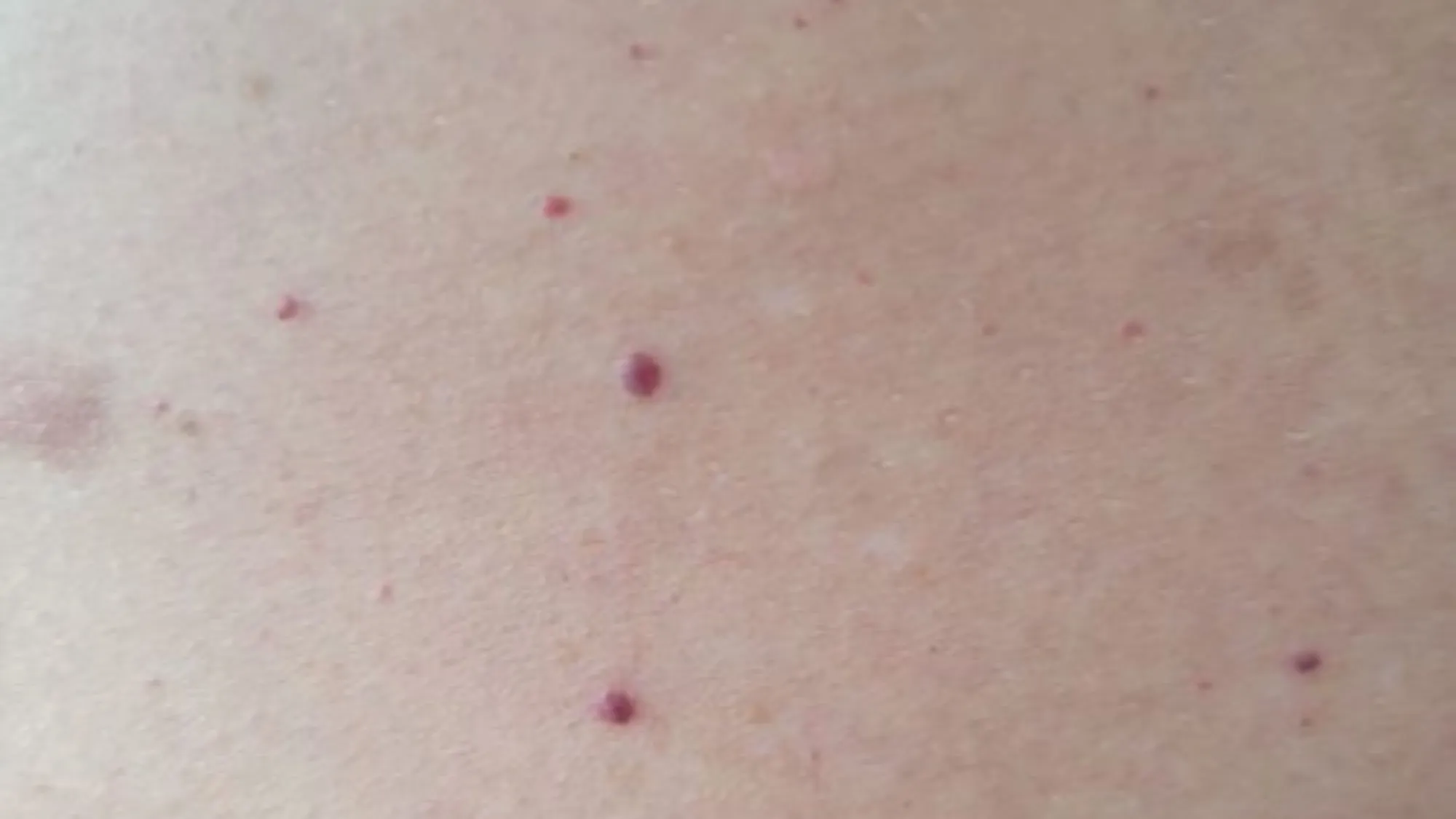
Are you noticing a tiny red spot on your skin one day and assuming it’s a scratch or irritation? Then weeks later, another appears nearby. It might be cherry angiomas. But have you ever wondered why cherry Angiomas appear? Should you be worried?
Cherry angiomas are one of the most common skin lesions adults develop, yet many people still don’t fully understand why they appear or whether they need treatment. The good news? In most cases, they’re harmless.
Let’s understand why cherry angiomas appear, how to recognise them, and when to seek professional help so that you can feel far more confident about your skin.
Why Cherry Angiomas Appear: Causes, Triggers & When to Consider Removal
1. Ageing and Skin Changes
When talking about why cherry angiomas appear? Age is one of the biggest reasons. Cherry angiomas tend to become more common after the age of 30.
As skin and blood vessels naturally change with age, these tiny vascular growths can gradually appear.
In many ways, they’re considered a normal part of the ageing process, just like wrinkles or age spots.
2. Genetics Can Play a Role
Some people are simply more likely to develop them because of family history.
If parents or close relatives have cherry angiomas, there’s a higher chance you may develop them too. Some individuals only notice one or two, while others develop clusters over time.
3. Hormonal Changes
Hormonal fluctuations may also influence why cherry angiomas appear.
And people sometimes notice them during:
- Pregnancy
- Hormonal imbalances
- Midlife body changes
While hormones aren’t always the direct cause, they may affect blood vessel behaviour in certain individuals.
4. Sun Exposure and Skin Damage
Yes, years of sun exposure can contribute to several skin changes, including vascular lesions like cherry angiomas.
Although UV exposure isn’t considered the sole cause, prolonged sun damage may increase the likelihood of developing them over time.
That’s one reason skin specialists constantly recommend wearing SPF, even during colder months.
Are Cherry Angiomas Harmful?
In most cases, cherry angiomas are completely harmless. They’re non-cancerous skin lesions and usually don’t cause pain or discomfort.
However, they can become irritated if rubbed by clothing, jewellery, or shaving.
Professional assessment is recommended if a lesion:
- Changes shape or colour
- Bleeds frequently
- Grows rapidly
- Becomes painful or irritated
Not every red spot on the skin is automatically a cherry angioma, which is why proper evaluation matters.
Can Cherry Angiomas Be Removed?
Yes, many people choose removal for cosmetic reasons or because the angioma catches on clothing or bleeds occasionally.
Professional treatment options include:
1. Electrolysis or Advanced Cautery
Controlled heat or electrical energy is used to remove the growth safely.
2. Cryotherapy
Some clinics may use freezing techniques, depending on the angioma's size and location. The right treatment depends on factors like skin type, lesion size, and overall skin health.
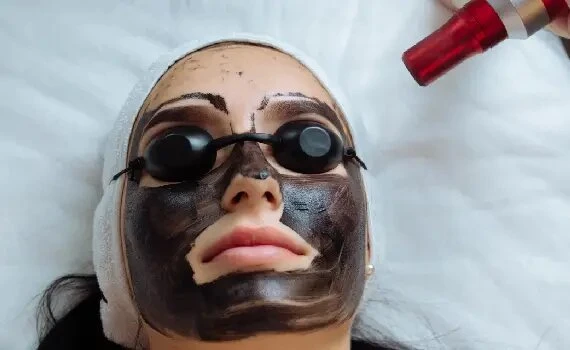
3. Laser Cherry Angioma Removal
Laser technology targets the tiny blood vessels inside the lesion while minimising damage to surrounding skin.
When Should You See a Skin Specialist?
It’s worth booking a professional consultation if:
- You’re unsure whether a lesion is a cherry angioma
- The growth changes suddenly
- It starts bleeding regularly
- Cosmetic concerns affect confidence
- You want a safe professional removal
Sometimes reassurance alone is enough. Other times, treatment provides both comfort and confidence.
The Bottom Line
Understanding why cherry angiomas appear can help remove much of the worry surrounding these common skin growths. At A.H Advanced Skin Specialist, we offer personalised skin consultations and advanced electrolysis treatments tailored to individual skin concerns.
Looking for safe cherry angioma removal in Milton Keynes? Contact A.H Advanced Skin Specialist and book a consultation today!
Disclaimer: This content is for informational purposes only and is written by a professional content writer. Contact us to learn more about cherry angioma removal!


















Sign in to leave a comment.