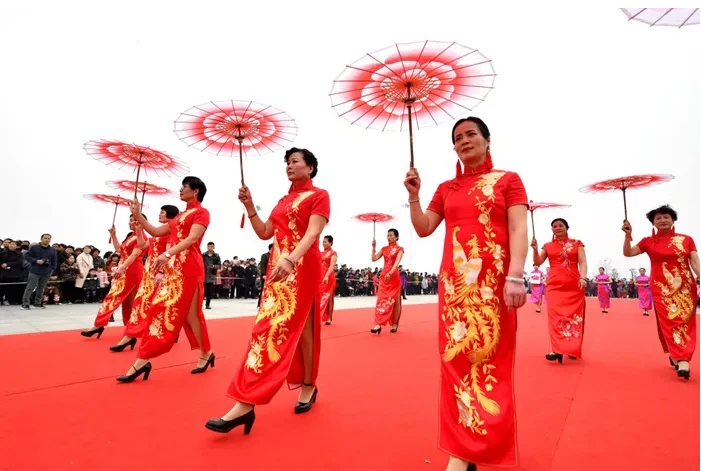

The qipao, also known as the cheongsam, is a traditional Chinese dress that has been worn for more than a century. It is a garment that combines elegance, culture, and history. Many people outside China recognize the qipao as a symbol of Chinese fashion, but its significance goes far beyond aesthetics. For Chinese people, wearing a qipao is a way to honor their heritage, express beauty, and celebrate important events.
The qipao has a unique design that sets it apart from other traditional dresses. It is usually form-fitting, with a high collar, side slits, and intricate patterns. While modern versions may include new fabrics and designs, the essence of the qipao remains rooted in Chinese culture. In this article, we will explore the history of the qipao, why Chinese people wear it today, and its role in culture, fashion, and social life.
The History of the Qipao
Origins in the Qing Dynasty
The qipao originated during the Qing Dynasty (1644–1912). At that time, the Manchu people ruled China. They wore long robes called “changpao,” which were loose and modest. These robes inspired the early qipao, although the original design was not tight-fitting like the modern version. Both men and women wore variations of these robes, but over time, the dress evolved mainly as women’s fashion.
Transformation in the 20th Century
In the early 20th century, especially in Shanghai, the qipao changed dramatically. Chinese women began to adopt Western tailoring techniques. The qipao became slimmer, emphasizing the female figure. This modern version was shorter, had side slits, and often used luxurious fabrics like silk and satin. Shanghai became the center of fashion, and wearing a qipao was a statement of elegance and modernity.
Qipao During Political Changes
Throughout the 20th century, China experienced major political and social changes. During these times, the popularity of the qipao fluctuated. In some periods, it was considered a symbol of the past and old traditions. In other periods, it became a cultural emblem, especially during festivals, weddings, and official events. Today, the qipao is both a traditional and fashionable garment.
Reasons Chinese People Wear Qipao Today
Cultural Heritage
One of the main reasons Chinese people wear qipao is to honor cultural heritage. The dress represents centuries of Chinese history. Wearing it shows respect for ancestors and traditions. During festivals like Chinese New Year, women often wear qipao to celebrate the past and preserve cultural identity.
Special Occasions
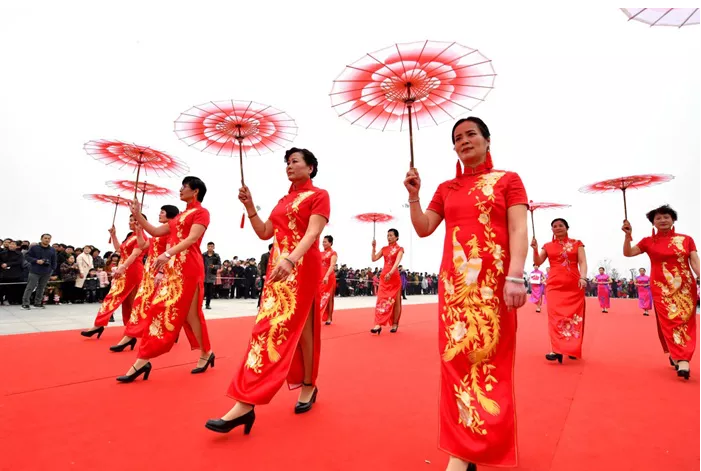
The qipao is often worn during weddings, formal gatherings, and cultural performances. For brides, the red qipao symbolizes luck and happiness. For performers, it adds grace and elegance to dances and ceremonies. Wearing a qipao in these settings is more than fashion—it is a way to participate in cultural rituals.
Fashion and Beauty
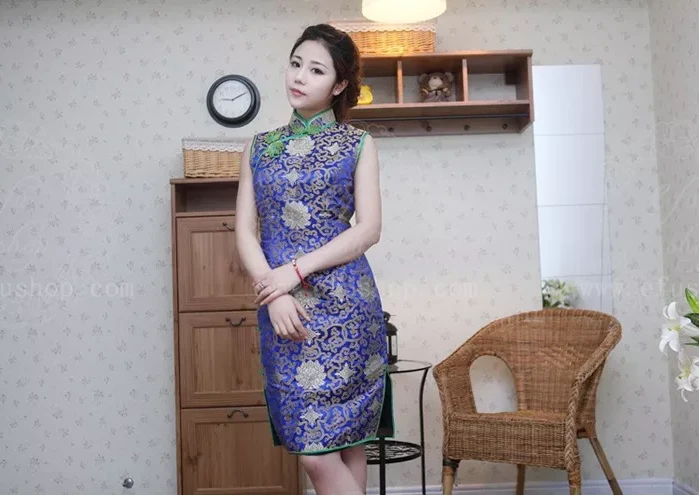
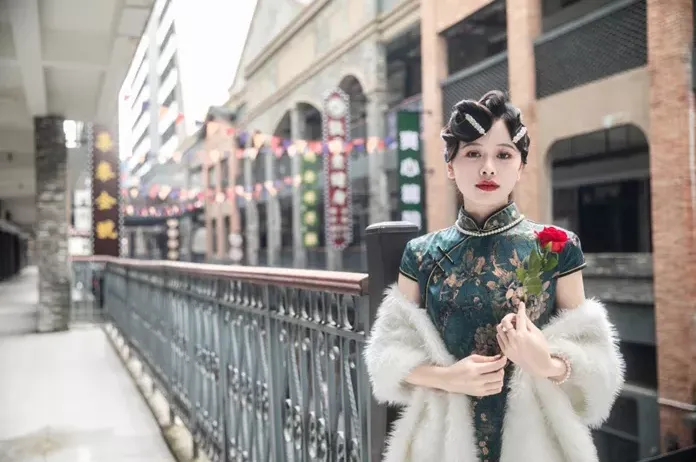
The qipao highlights the beauty of the wearer. Its slim fit, high collar, and side slits create a graceful silhouette. Many modern Chinese women wear the qipao to stand out at social events or photo sessions. Fashion designers continue to innovate, combining traditional patterns with contemporary styles, making the qipao relevant in modern fashion.
National Pride
For Chinese people, wearing a qipao can be an expression of national pride. During international events or cultural exhibitions, the qipao serves as a symbol of Chinese culture. It reflects elegance, sophistication, and identity. Many Chinese people feel proud wearing it, connecting with their roots and presenting their culture to the world.
Design Elements of the Qipao
High Collar
The high collar is a defining feature of the qipao. It adds elegance and modesty while framing the neck and face. The collar design can vary from straight to curved, depending on the era or style. In traditional culture, the collar also represented respect and refinement.
Side Slits
Side slits are practical and stylish. They allow movement while maintaining a fitted look. The slits also add a touch of sensuality without compromising modesty. This design makes the qipao comfortable for dancing and walking, making it suitable for both formal and casual occasions.
Fabrics and Patterns
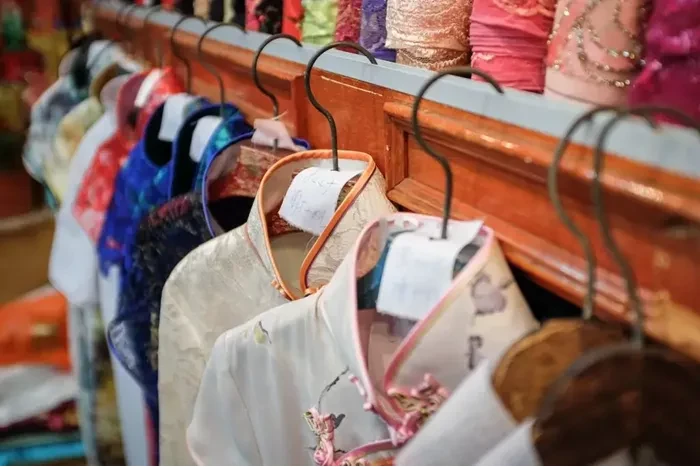
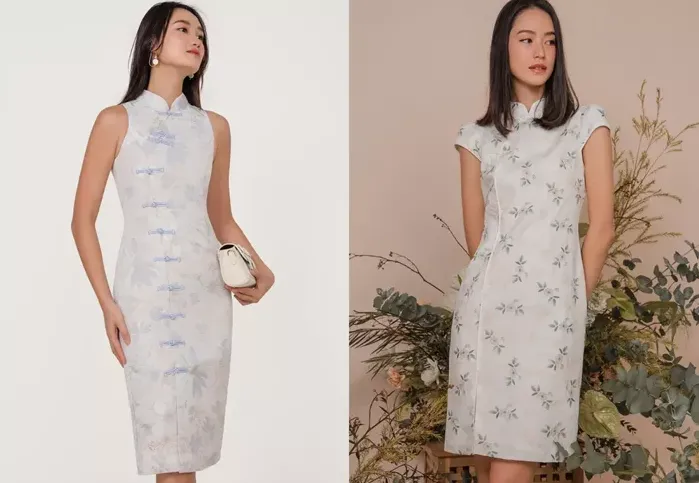
Traditional qipao use silk, satin, or brocade. The fabrics are often embroidered with flowers, dragons, or phoenixes. Each pattern carries a meaning: flowers symbolize beauty, dragons represent power, and phoenixes signify virtue. Modern designers use new fabrics like lace or chiffon but still respect traditional patterns to maintain cultural identity.
Fitted Silhouette
The fitted shape of the qipao emphasizes the wearer’s figure. Unlike the loose robes of the past, the modern qipao hugs the body while remaining elegant. Tailoring is important, and skilled craftsmanship ensures the dress fits perfectly. This attention to detail reflects the Chinese value of precision and artistry.
Qipao in Modern Chinese Society
Everyday Fashion
While the qipao is mainly worn for special occasions, some young people wear it casually. Designers create short, casual versions suitable for daily wear. Street fashion in cities like Shanghai or Beijing sometimes features qipao-inspired tops, skirts, and dresses. These adaptations show how tradition blends with modern life.
Cultural Festivals and Performances
During cultural festivals, Chinese opera performances, and dances, performers wear qipao to showcase traditional aesthetics. It helps audiences connect with history and art. School programs and community events also encourage young people to try the qipao, fostering appreciation for Chinese culture.
Weddings and Ceremonial Events
In Chinese weddings, brides often change dresses multiple times, and the qipao is a popular choice. Red is the traditional color, symbolizing happiness and prosperity. Grooms may also wear matching outfits. Other ceremonial events, like tea ceremonies or cultural award ceremonies, often feature qipao to highlight elegance and respect.
Global Influence of the Qipao
International Fashion
The qipao has influenced global fashion designers. It is featured in fashion shows and red carpet events worldwide. Celebrities often wear qipao-inspired gowns, which brings Chinese fashion to a global audience. The silhouette, collar, and patterns inspire contemporary fashion trends in many countries.
Chinese Communities Abroad
In Chinese communities abroad, the qipao is worn to celebrate heritage. During Lunar New Year or cultural parades, Chinese people wear qipao to connect with their roots. It represents identity, pride, and continuity of tradition, even far from home.
Conclusion
The qipao is more than a beautiful dress. It is a symbol of Chinese culture, history, and identity. Chinese people wear it to honor traditions, celebrate important events, express beauty, and show national pride. From the Qing Dynasty to modern fashion runways, the qipao continues to evolve while keeping its cultural significance. Wearing a qipao is a way for Chinese people to remember their heritage and share it with the world.
Related Questions
1. Is the qipao only worn by women?
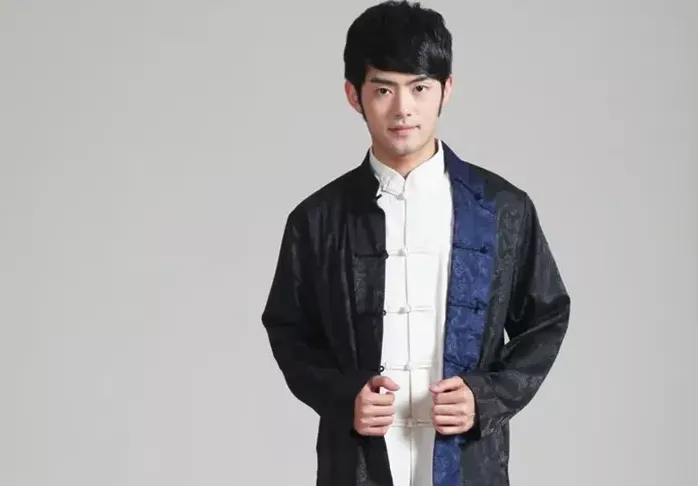
No. While modern qipao are mainly designed for women, men historically wore changpao, which inspired the qipao. Today, men may wear traditional Chinese suits for ceremonies, but the classic qipao is primarily female attire.
2. What occasions are best for wearing a qipao?
Qipao are ideal for weddings, Chinese New Year, cultural festivals, performances, and formal gatherings. They can also be worn in fashion events or photo shoots. Casual versions are suitable for daily wear in modern cities.
3. How has the qipao changed over time?
The qipao evolved from loose Manchu robes to a slim, fitted dress. Modern qipao incorporate new fabrics, shorter lengths, and fashion trends while maintaining traditional patterns and elements like high collars and side slits.
4. Why is red a common color for qipao?
Red symbolizes happiness, luck, and prosperity in Chinese culture. It is commonly used for weddings, festivals, and celebrations. Other colors may be chosen for style or personal preference, but red remains traditional for important occasions.


























Sign in to leave a comment.