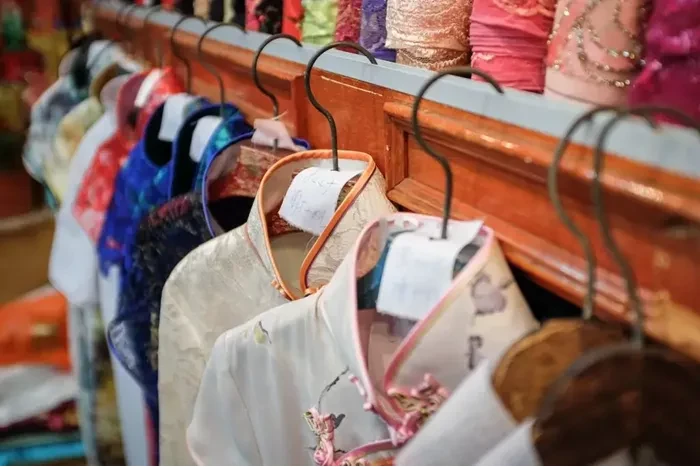

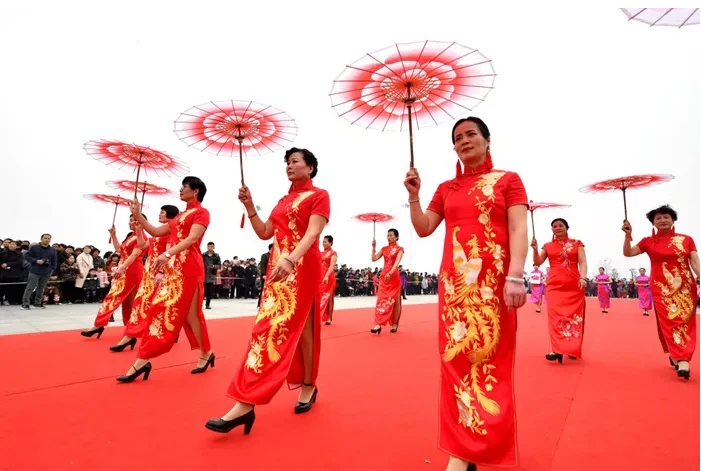
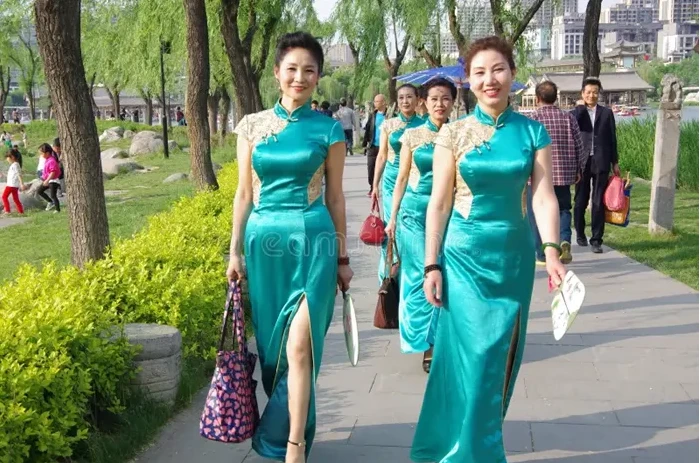
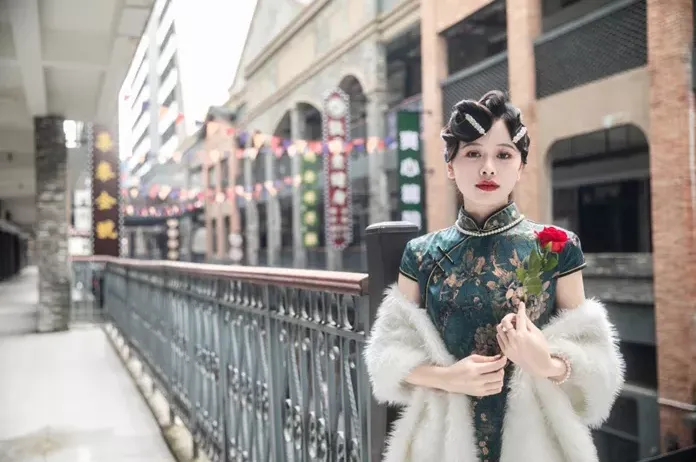
The cheongsam, also known as the qipao, is a traditional Chinese dress. It is elegant, fitted, and emphasizes the natural curves of the body. This dress became popular in Shanghai in the 1920s and has remained a symbol of Chinese fashion. Making a cheongsam requires patience, precise measurements, and careful sewing.
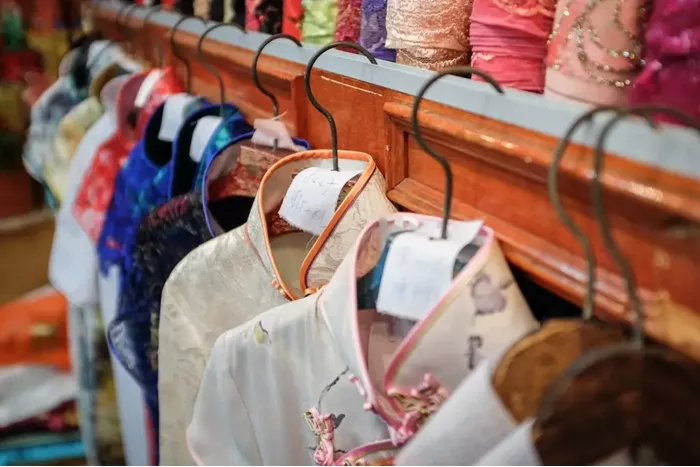
Materials Needed
Fabric Selection
Choosing the right fabric is crucial. Common fabrics for cheongsams include silk, satin, brocade, and cotton blends. Silk is the most traditional choice because it drapes beautifully and gives the dress a luxurious look. Satin is smoother and slightly stiffer, giving the cheongsam a structured appearance. Brocade adds texture and patterns, often featuring traditional Chinese motifs.
Other Materials
Besides fabric, you need:
- Matching thread
- Cheongsam collar stay (optional, for stiff collars)
- Zipper or traditional Chinese frog buttons
- Scissors
- Measuring tape
- Pins
- Sewing machine or hand-sewing tools
Taking Accurate Measurements
Accurate measurements ensure the cheongsam fits perfectly. You need to measure:
- Bust – measure around the fullest part of the chest
- Waist – measure around the natural waistline
- Hips – measure around the widest part of the hips
- Shoulder width – from one shoulder edge to the other
- Dress length – from the base of the neck to the desired hemline
- Armhole – around the shoulder and armpit
- Neck circumference – for the high collar
Choosing a Pattern
Commercial Patterns
You can buy commercial cheongsam patterns online or from fabric stores. These patterns come in standard sizes and are helpful for beginners. They include instructions and layout guides.
Custom Patterns
If you want a perfect fit, create a custom pattern. Use paper to draft the cheongsam outline based on your measurements. Include seam allowances and darts for shaping.
Cutting the Fabric
Before cutting, wash and iron the fabric to avoid shrinkage. Place the pattern pieces on the fabric and pin them carefully. Cut along the edges with sharp scissors. Pay attention to fabric grain; the fabric should not twist or stretch unevenly.
Sewing the Cheongsam
Assembling the Bodice
Start with the main body pieces. Sew the side seams first. Then attach the darts if your pattern includes them. Darts help the fabric fit around the bust and waist smoothly.
Attaching the Collar
The high collar is a key feature of a cheongsam. Fold the collar fabric along the pattern edge and attach it to the neckline. Use pins to keep it in place and sew carefully to avoid puckering. Optional collar stays can be added to keep the collar stiff and elegant.
Adding the Sleeves
Sleeves can be short, capped, or long. Pin the sleeves into the armhole carefully. Sew slowly, easing the fabric so there are no gathers unless the design calls for them.
Inserting the Zipper
Most modern cheongsams use a side zipper. Place the zipper on the side seam, aligning it with the waistline. Sew the zipper carefully so that it is smooth and hidden. Traditional cheongsams may use frog buttons along the side or front for a decorative effect.
Finishing the Hem
Fold the hem up twice and sew to finish. The hem can be straight, side-slit, or with small decorative openings called “slits.” Side slits allow easier movement and add elegance.
Adding Decorative Elements
Frog Buttons and Embroidery
Frog buttons are traditional Chinese closures made of fabric knots. They add both decoration and function. Embroidery, such as flowers or dragons, can be added to the front, back, or sleeves for a luxurious touch. Use embroidery sparingly to maintain elegance.
Bias Tape and Piping
Bias tape can be used along the edges of the dress or sleeves to prevent fraying. Piping adds a professional finish and highlights seams. Matching or contrasting colors can create different effects.
Fitting and Adjustments
Try on the dress and check the fit. Ensure the side seams hug your curves without being too tight. The bust, waist, and hips should fit smoothly. If necessary, take in or let out seams slightly. Make sure the collar sits comfortably around the neck and the hem falls evenly.
Common Mistakes to Avoid
- Not pre-washing fabric – may shrink after sewing
- Skipping darts – can make the dress look loose or shapeless
- Incorrect collar attachment – can cause puckering
- Uneven hemline – will affect the overall appearance
- Wrong zipper placement – makes wearing the dress difficult
Tips for Beginners
- Choose a simple pattern first, avoiding complex embroidery or heavy fabrics.
- Use cotton or linen for practice before moving to silk or satin.
- Always press seams with an iron during sewing – it creates a professional look.
- Take your time and sew slowly – cheongsams require precision.
- Watch tutorials online for visual guidance on collar and sleeve attachment.
Advanced Techniques
Hand-Sewn Cheongsam
For a truly authentic touch, some cheongsams are entirely hand-sewn. Use small, even stitches and press seams carefully. Hand sewing allows more control over delicate fabrics and intricate designs.
Using Specialty Fabrics
Silk brocade, velvet, or lace can add elegance but are harder to sew. Consider lining the dress with lightweight cotton to prevent stretching and maintain shape. Some fabrics may require interfacing at the collar or bodice for stability.
Customizing Length and Fit
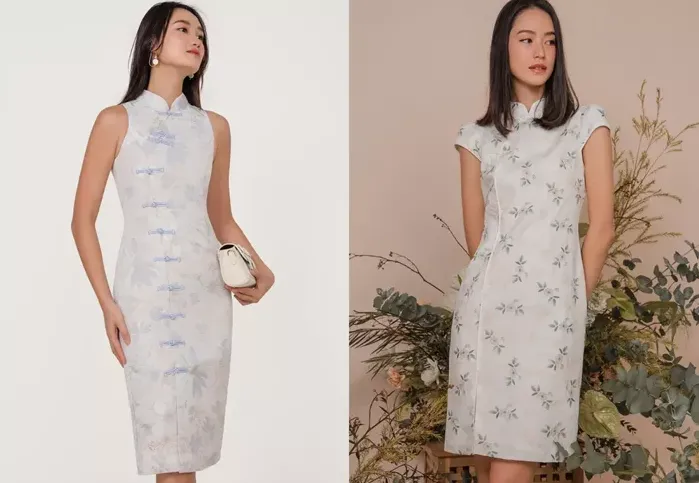
Cheongsams can be ankle-length, knee-length, or even mini for modern fashion. Adjust the hemline according to preference. Side slits can be deeper for long dresses to allow walking comfortably. Make subtle adjustments to the waist and bust darts for a tailored fit.
Maintaining Your Cheongsam
Proper care ensures your cheongsam lasts for many years. Hand wash delicate fabrics like silk and brocade with cold water. Avoid harsh detergents. Hang the dress to dry in shade to prevent fading. Iron at low temperature, using a cloth between the iron and fabric to avoid burning or shining.
Conclusion
Making a cheongsam is a rewarding process that combines traditional craftsmanship and personal creativity. With patience, careful measurements, and precise sewing, anyone can create a beautiful cheongsam. Whether you are making a simple cotton dress or an ornate silk version, understanding the materials, patterns, and techniques ensures a garment that fits perfectly and highlights elegance.
Related Questions
1. How long does it take to make a cheongsam?
For beginners, making a simple cheongsam may take 10–15 hours, including cutting, sewing, and fitting. Advanced designs with embroidery or specialty fabrics may take several days.
2. Can I make a cheongsam without a sewing machine?
Yes, a cheongsam can be hand-sewn. It requires patience and precision, especially for the collar and darts, but hand-sewing is traditional and gives a refined finish.
3. What fabrics are best for a cheongsam?
Silk, satin, and brocade are traditional choices. Cotton or linen can be used for casual or practice dresses. Avoid fabrics that stretch too much, as cheongsams are form-fitting.
4. How do I make a cheongsam fit my body perfectly?
Take accurate measurements and adjust the pattern to your size. Sew darts carefully to shape the bust and waist. Try on the dress before finishing the hem and collar for final adjustments.

























Sign in to leave a comment.