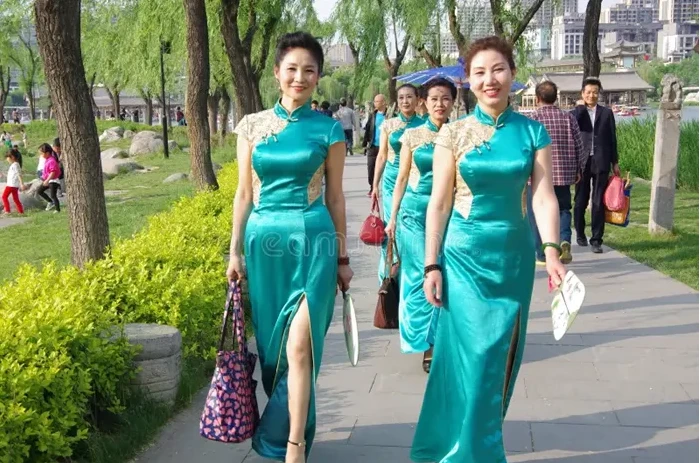

The qipao, also known as cheongsam, is one of the most iconic garments in Chinese culture. It became widely popular in Shanghai in the 1920s and 1930s. Since then, it has evolved from a traditional robe into a modern dress that combines elegance and strength. The cut of the qipao is important. The collar frames the neck. The side slits shape the legs. The fabric flows with the body. Yet color is what gives the qipao its first impression.
In traditional Chinese aesthetics, color is never random. Each color carries history, symbolism, and seasonal meaning. In classical painting, poetry, porcelain, and silk weaving, color has always been deeply connected to philosophy and nature. The qipao follows the same rule.
The Meaning of Color in Chinese Culture
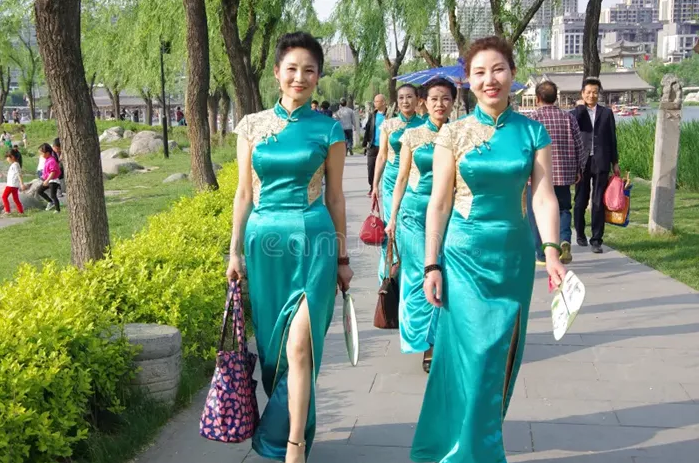
In Chinese culture, the theory of the Five Elements influences color choices. Red relates to fire. Black relates to water. Yellow relates to earth. Green and blue relate to wood. White relates to metal. These ideas are not just symbolic. They guide clothing, architecture, festivals, and even wedding customs.
When choosing a qipao color, many women consider the occasion, age, skin tone, and personal temperament. A bride often wears red. A performer may choose emerald green. A scholar may prefer ink black. A young girl may select soft pink. The beauty of the qipao lies in this balance between tradition and personality.
Modern Influence and Global Appeal
Today, the qipao is no longer limited to China. Designers in Paris, New York, and Tokyo reinterpret it in modern fabrics and colors. Film stars wear it on international red carpets. Cultural festivals around the world celebrate it as a symbol of elegance.
Despite modern changes, certain colors remain timeless. They appear again and again in fashion magazines, historical photos, and runway collections. These colors enhance the graceful lines of the qipao and highlight the beauty of the wearer.
Below are six of the most beautiful colors for qipao. Each color tells a story. Each color creates a different mood.
6 of the Most Beautiful Colors for Qipao
1. Classic Red: The Eternal Symbol of Joy

The Cultural Meaning of Red
Red is the most traditional color for a qipao. In Chinese culture, red represents happiness, prosperity, and celebration. It is the color of weddings, Lunar New Year, and important festivals. In ancient times, red dye was precious. Only wealthy families could afford deep, rich red silk.
A red qipao often appears in wedding ceremonies. Brides wear bright scarlet or deep crimson. The color reflects good fortune and blessings for the future.
Why Red Enhances the Qipao Shape
Red highlights the curves of the body. It creates a strong contrast against the skin. It looks powerful and confident. When made of silk or satin, red shines under light. The high collar looks noble. The frog buttons become decorative jewels.
Darker reds such as wine red or burgundy create a mature and elegant impression. Bright red feels youthful and festive.
Modern Interpretations of Red Qipao
Today, designers experiment with different shades of red. Some use matte fabric for a subtle effect. Others use embroidered golden dragons or phoenix patterns to add tradition. International designers often combine red qipao with modern heels and minimalist makeup.
Red remains the most photographed qipao color in history. It never loses its charm.
2. Ink Black: Mysterious and Sophisticated

The Elegance of Black in Chinese Aesthetics
Black may seem simple, but in traditional Chinese ink painting, black contains endless shades. It represents depth, wisdom, and quiet power. A black qipao reflects maturity and self-confidence.
In the 1930s Shanghai golden era, many movie stars wore black velvet qipao. It symbolized modernity and urban sophistication.
How Black Shapes the Silhouette
Black naturally creates a slimming effect. It emphasizes the vertical lines of the qipao. The side slits look sharper. The collar appears more structured. When paired with pearl necklaces or jade earrings, black becomes refined.
A black lace qipao feels romantic. A black silk qipao feels smooth and noble. A black velvet qipao feels luxurious.
When to Wear a Black Qipao
Black is suitable for evening events, formal dinners, art exhibitions, and stage performances. It fits many age groups. It also matches different skin tones.
Modern brides sometimes choose black qipao for evening banquets. It offers a dramatic contrast to traditional red.
3. Jade Green: Calm and Natural Beauty

The Symbolism of Green and Jade
Green in Chinese culture relates to nature, growth, and renewal. Jade is one of the most respected materials in Chinese history. A jade green qipao reminds people of polished stone, bamboo forests, and spring mornings.
Jade green is not bright neon green. It is soft and slightly muted. It carries quiet elegance.
Why Jade Green Is Flattering
This color suits many skin tones. It brings freshness to the face. It looks especially beautiful in silk or satin fabric. Embroidery in white or pale pink adds a gentle touch.
On a slim qipao silhouette, jade green creates harmony between tradition and modern simplicity.
Jade Green in Contemporary Fashion
Designers often present jade green qipao in spring collections. It appears in garden weddings and tea ceremonies. The color feels artistic and poetic. Many photographers prefer jade green because it blends well with natural backgrounds.
4. Royal Blue: Noble and Refined

The Historical Roots of Blue
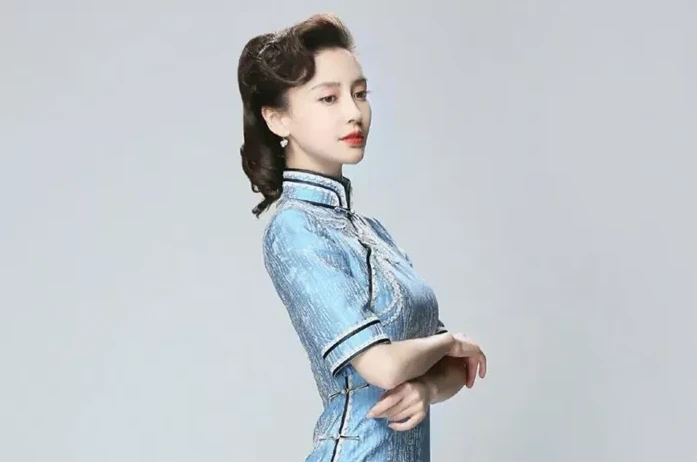
Blue dyes were once rare and valuable. Indigo dyeing techniques developed over centuries. In porcelain art, blue and white patterns became world famous. A royal blue qipao carries this historical memory.
Royal blue is deep but vibrant. It is stronger than sky blue and brighter than navy.
How Royal Blue Enhances Presence
Royal blue creates a dignified and confident impression. It stands out without being too bright. The color works beautifully with silver embroidery, crystal buttons, or white piping along the collar.
Under evening lights, royal blue silk shines softly. It creates movement with every step.
Occasions for Royal Blue Qipao
Royal blue is suitable for formal gatherings, diplomatic events, and cultural performances. It looks professional yet graceful. Many television hosts and musicians choose this color for stage presence.
5. Soft Pink: Gentle and Romantic

The Feminine Charm of Pink
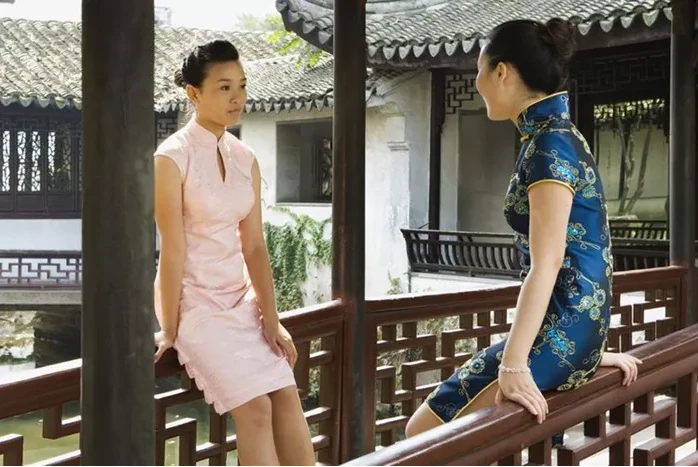
Soft pink represents youth, tenderness, and romance. It is less traditional than red but equally charming. In Shanghai fashion history, pastel colors became popular during the 1930s as Western influence grew.
Soft pink qipao often appear in vintage photographs. They reflect a modern yet delicate spirit.
Why Soft Pink Works Well
Pink brightens the complexion. It looks fresh and light. It suits daytime events such as garden parties, engagements, and cultural gatherings. Lace or floral embroidery enhances its sweetness.
Soft pink satin looks smooth and glowing. Chiffon versions create a flowing effect.
Modern Styling Tips
Pair soft pink qipao with simple pearl accessories. Keep makeup natural. Avoid heavy jewelry. The goal is harmony and softness.
This color is especially popular among younger women who want a romantic look.
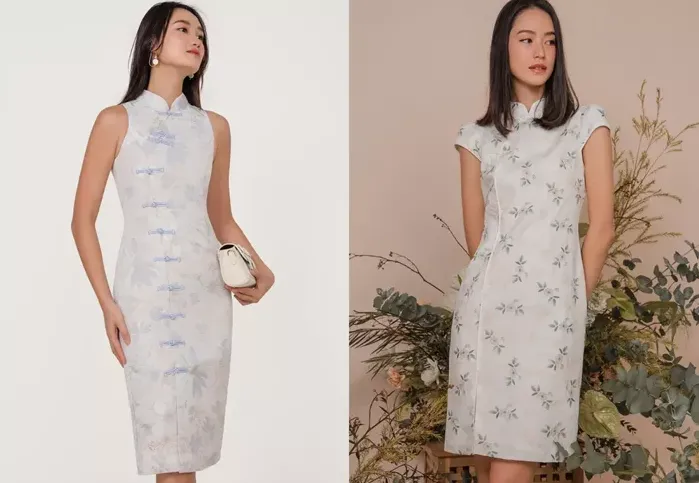
6. Pure White: Minimal and Timeless

The Meaning of White in Tradition
White in Chinese culture traditionally relates to purity and simplicity. Although it is associated with mourning in ancient customs, modern fashion redefines white as clean and elegant.
A white qipao highlights craftsmanship. Without strong color, the focus moves to tailoring and fabric texture.
The Beauty of Simplicity
White silk reflects light gently. Lace patterns become more visible. Embroidery in silver or pastel thread stands out clearly. The silhouette appears crisp and refined.
White also works well for summer. It feels cool and fresh.
Global Popularity of White Qipao
International designers often choose white for modern runway shows. It fits minimalist fashion trends. White qipao appear in art photography and bridal portraits worldwide.
It represents a balance between East and West, tradition and innovation.
Conclusion
The beauty of a qipao does not depend only on design. Color shapes its spirit. Red brings celebration. Black offers mystery. Jade green shows harmony. Royal blue expresses nobility. Soft pink reveals romance. White highlights purity.
When choosing a qipao color, consider your skin tone, personality, and event. There is no absolute rule. The best color is the one that makes you feel confident and graceful.
The qipao has survived for more than a century because it adapts. Colors evolve, but elegance remains constant. Whether you choose classic red or modern white, the qipao will always reflect dignity and beauty.
FAQs
1. Which qipao color is best for a wedding?
Red is the most traditional wedding color because it symbolizes happiness and prosperity. However, modern brides may choose white, gold, or even soft pink depending on personal taste and ceremony style.
2. What color qipao is most slimming?
Black and deep royal blue create a slimming effect because dark colors visually narrow the silhouette. The tailored cut of the qipao also enhances this effect.
3. How do I choose a qipao color for my skin tone?
Fair skin often pairs well with red, jade green, and royal blue. Medium or warm skin tones look beautiful in soft pink and ivory. Darker skin tones shine in white, emerald, and deep red. The key is contrast and balance.
4. Can older women wear bright qipao colors?
Yes. Age does not limit color choice. Mature women often look elegant in burgundy, royal blue, or jade green. Confidence is more important than age when choosing color.























Sign in to leave a comment.