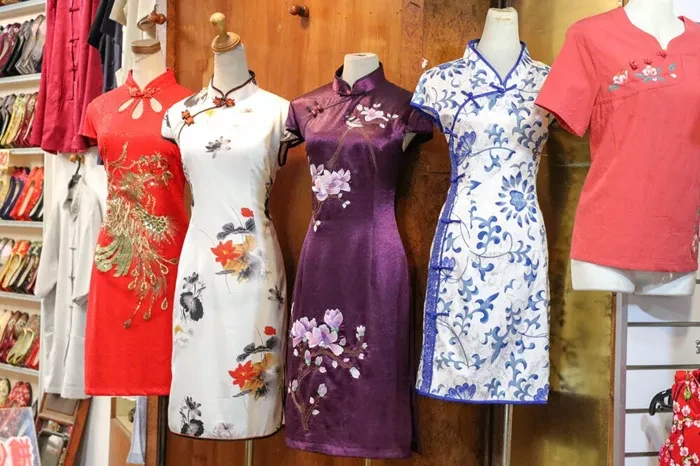

The qipao, also known as cheongsam, is a traditional Chinese dress that has become a symbol of elegance, culture, and identity. It is often associated with grace, femininity, and history. Although it is considered a fashion item today, the qipao carries deep cultural significance that spans centuries. Understanding its history, evolution, and symbolism helps us appreciate not only the beauty of the dress but also the rich traditions it represents.
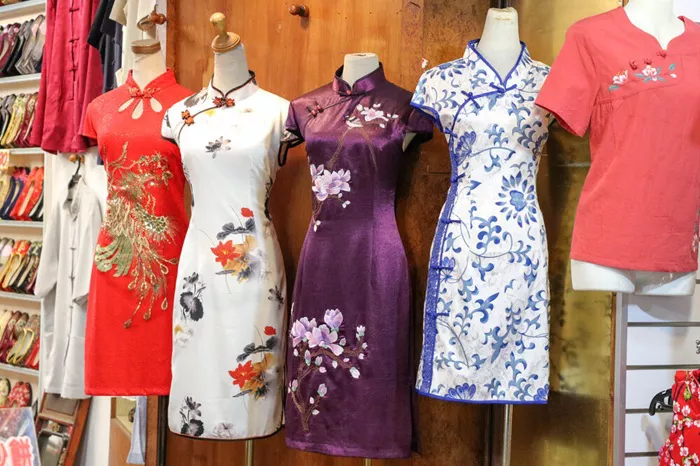
Origins of Qipao
The qipao originated during the Qing Dynasty (1644–1912) when the Manchu people ruled China. Initially, the qipao was a loose, long robe worn by both men and women. Women’s qipaos were designed to cover the body fully, with wide sleeves and a straight cut. This style reflected the modesty and decorum of the era. The Manchu influence was significant, as their clothing distinguished them from the Han Chinese majority.
Early Styles and Materials
Early qipaos were made from silk and embroidered with intricate patterns. The designs often included flowers, birds, and auspicious symbols. These elements were not just decorative but also conveyed cultural values and beliefs. For example, the peony symbolized wealth and honor, while the lotus represented purity and spiritual growth.
Regional Variations
Different regions of China adapted the qipao according to local tastes and climates. In northern China, the dresses were heavier and layered for warmth. In southern regions, lighter fabrics and shorter cuts became common due to the warmer climate. This adaptability contributed to the enduring popularity of the qipao across China.
Qipao and Social Status
The qipao has historically been a marker of social status. In the Qing Dynasty, the quality of fabric, the complexity of embroidery, and the colors of the dress often indicated a person’s rank or wealth. Women of higher social classes wore luxurious silks with detailed handwork, while commoners used simpler materials.
Symbol of Femininity
Over time, the qipao became associated with feminine beauty. Its design accentuates the natural curves of the body, creating an elegant silhouette. The high collar, side slits, and fitted waist are not only stylish but also emphasize grace and poise. For many Chinese women, wearing a qipao was a way to express elegance and social refinement.
Role in Marriage and Ceremonies
Traditionally, qipaos were worn during important life events such as weddings, festivals, and formal gatherings. Brides often wore red qipaos, a color symbolizing luck and happiness. During the Lunar New Year, women also wore brightly colored qipaos to celebrate the occasion. These customs helped preserve the cultural significance of the dress through generations.
Modern Evolution of Qipao
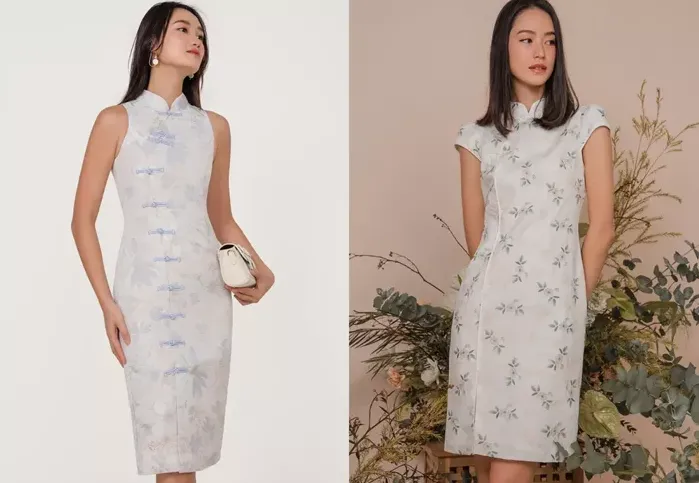
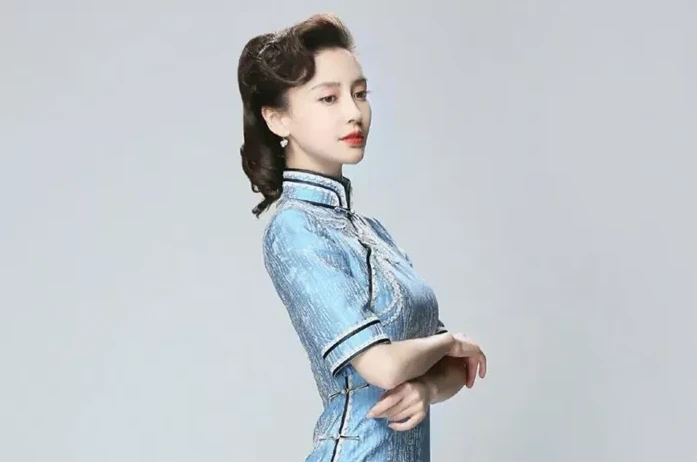
In the 20th century, the qipao underwent significant changes. During the Republican era (1912–1949), Shanghai became the center of fashion innovation. Designers modernized the qipao, making it more form-fitting and stylish. This period introduced shorter sleeves, higher slits, and varied collar styles. The qipao transformed from traditional attire to a symbol of urban sophistication.
Qipao in Global Fashion
The qipao has gained international recognition as an iconic element of Chinese fashion. Celebrities, designers, and fashion shows have showcased qipaos on global platforms. Modern designers blend traditional motifs with contemporary styles, keeping the cultural essence intact while appealing to a wider audience. This global appreciation has strengthened the qipao’s cultural and historical significance.
Revival in Contemporary Culture
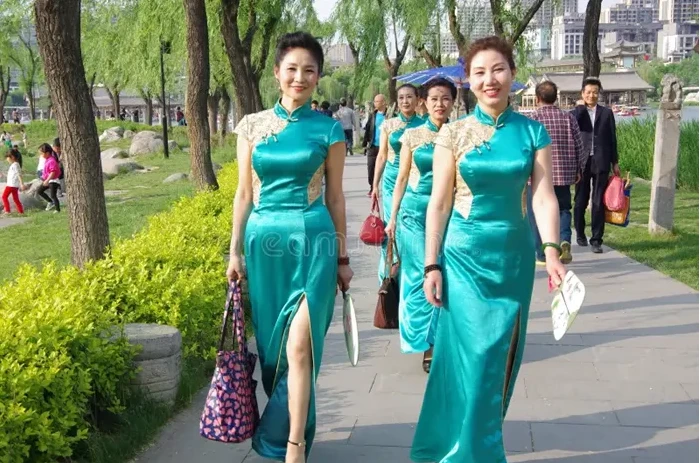
Today, the qipao is worn not only for formal events but also as a fashion statement. Many young women choose qipaos for photoshoots, cultural performances, and fashion events. This revival has helped sustain traditional Chinese craftsmanship, such as hand embroidery and silk weaving, ensuring that cultural knowledge is passed to future generations.
Cultural Symbolism of Qipao
The qipao is more than clothing; it embodies Chinese identity, tradition, and values. Each feature of the dress carries symbolic meaning:
Colors
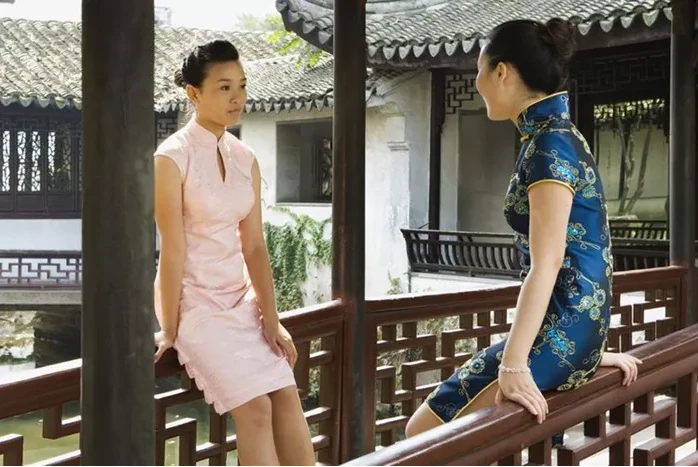
Colors in qipaos are deeply symbolic. Red represents luck, joy, and celebration. Gold signifies wealth and prosperity. Blue and green often symbolize harmony and growth. Wearing these colors communicates cultural understanding and respect.
Patterns and Motifs
Traditional motifs like dragons, phoenixes, and peonies are frequently embroidered on qipaos. Dragons symbolize power and strength, phoenixes represent beauty and rebirth, and peonies convey wealth and honor. These designs connect the wearer to cultural stories and values.
Silhouette and Design
The form-fitting design reflects grace and dignity. The high collar conveys modesty, while the slits allow freedom of movement and sophistication. Even small details like frog buttons and piping reflect Chinese craftsmanship and aesthetic philosophy.
Qipao and Identity
Wearing a qipao is a way for individuals to express cultural pride and personal identity. For many Chinese women, it represents a connection to their heritage. Internationally, it serves as a symbol of Chinese culture and elegance. Qipao has also become a bridge between generations, helping younger people understand and appreciate traditional values.
Qipao in Media and Arts
The qipao is often featured in films, literature, and visual arts. Iconic movies set in early 20th-century Shanghai frequently showcase qipaos, highlighting their elegance and social context. In contemporary art, qipaos are reimagined in various materials and styles, emphasizing both cultural continuity and creativity.
Qipao as a Tool for Cultural Diplomacy
Internationally, the qipao has been used in cultural events and diplomatic settings to represent Chinese heritage. Delegates and performers wear qipaos during state visits and cultural exhibitions, promoting mutual understanding and cultural exchange. This emphasizes that qipao is not only a fashion item but also a vessel for cultural communication.
Preserving Qipao Heritage
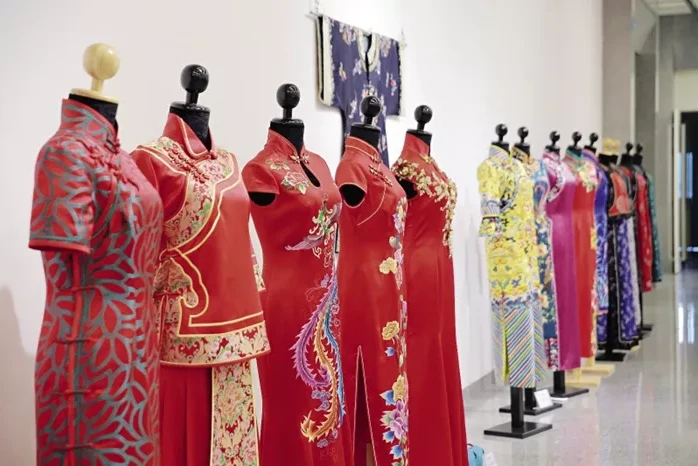
Efforts to preserve the qipao include fashion education, museums, and workshops. Schools in China teach students about traditional clothing, including qipao design and embroidery. Museums display historical qipaos, showing their evolution and craftsmanship. Workshops and exhibitions keep traditional sewing and embroidery skills alive, passing knowledge to new generations.
Conclusion
The qipao is a remarkable symbol of Chinese culture. From its Qing Dynasty origins to modern fashion stages, it reflects history, identity, and artistry. Wearing a qipao is more than dressing elegantly—it is a way to honor tradition, convey social values, and celebrate cultural heritage. Its continued evolution demonstrates how tradition can adapt while maintaining deep cultural significance.
FAQs
What occasions are qipaos typically worn?
Qipaos are traditionally worn during weddings, Lunar New Year celebrations, formal events, and cultural performances. Modern adaptations are also worn for fashion events and photoshoots.
What makes qipao different from other traditional Chinese dresses?
The qipao’s form-fitting silhouette, high collar, side slits, and detailed embroidery distinguish it from other Chinese clothing. Its design balances elegance with modesty and reflects cultural symbolism in color and pattern.
How has the qipao evolved over time?
The qipao evolved from a loose, modest robe in the Qing Dynasty to a modern, stylish dress in the 20th century. Today, designers combine traditional elements with contemporary fashion, making it versatile and globally recognized.
Why is the qipao important to Chinese identity?
The qipao represents cultural pride, history, and artistry. Wearing it connects individuals to their heritage, conveys social values, and promotes Chinese culture both locally and internationally.


















Sign in to leave a comment.