
Understanding health and disease is essential for a healthy life. Chapter 13 of the Class 9 Science NCERT textbook, "Why Do We Fall Ill Class 9 – Complete Notes, NCERT Solutions & FAQs," deals with this critical topic. This chapter provides insight into the meaning of health, various types of diseases, their causes, and preventive measures. It also helps students build awareness about hygiene, immunity, and the importance of vaccination. These NCERT-based notes and FAQs are designed to make the chapter simple and exam-ready.
What is Health?
Health is a state of complete physical, mental, and social well-being, not merely the absence of disease.
Factors Affecting Health:
- Genetic disorders
- Infections
- Poor nutrition
- Environmental issues (pollution, sanitation)
- Social and economic status
Distinction Between Healthy and Disease-Free

What is Disease?
Disease is a condition that disturbs or impairs the normal functioning of the body.
Symptoms:
- Headache, fever, cough, fatigue
- Visible and non-visible signs
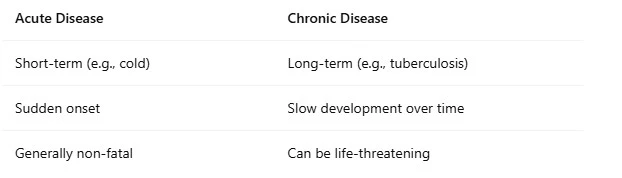
Acute and Chronic Diseases
Causes of Diseases
- Immediate Cause – Infectious agents like bacteria, viruses, fungi, protozoa.
- Contributory Cause – Lack of nutrition, pollution, poor sanitation.
Types of Agents:
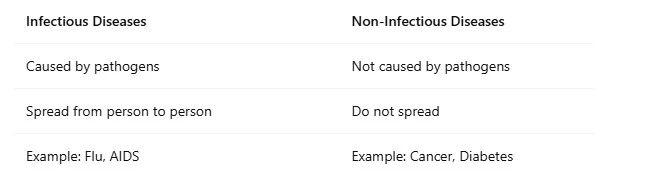
- Virus: Cold, flu, HIV
- Bacteria: Typhoid, TB
- Protozoa: Malaria
- Fungi: Ringworm
- Worms: Intestinal worms
Infectious vs Non-Infectious Diseases
Prevention of Diseases
General Measures:
- Balanced diet
- Clean environment
- Personal hygiene
- Safe drinking water
- Vaccination
Specific Measures:
- Immunization programs
- Isolation of infected individuals
- Vector control (mosquitoes, etc.)
Immunity
Immunity is the body's ability to fight disease-causing organisms.
Types:
- Innate Immunity: Present from birth
- Acquired Immunity: Gained after infection or vaccination
Vaccination:
A biological preparation that improves immunity to a specific disease. Common vaccines include BCG, DPT, polio, measles, etc.
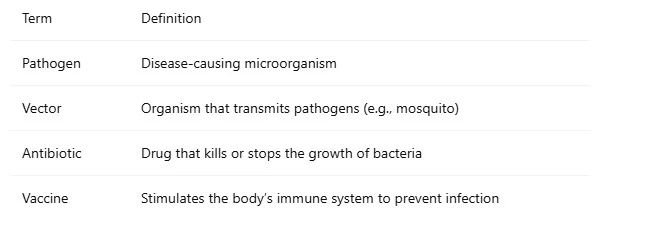
Important Terms to Remember
NCERT Questions & Answers
Q1: What is the difference between healthy and disease-free?
Ans: Healthy means complete physical, mental, and social well-being; disease-free only means absence of symptoms.
Q2: Define acute and chronic disease with examples.
Ans: Acute diseases last for short duration (e.g., cold); chronic diseases last for long duration (e.g., TB).
Q3: Why is prevention better than cure?
Ans: Prevention avoids suffering, is more economical, and stops disease spread.
Q4: List common infectious diseases and their pathogens.
Ans:
- Cold: Virus
- Typhoid: Bacteria
- Malaria: Protozoa
- Ringworm: Fungi
Common FAQs
Q1: What is the role of antibiotics?
A: Antibiotics kill or stop the growth of bacteria and help cure bacterial infections.
Q2: Can viruses be treated with antibiotics?
A: No. Antibiotics do not work on viruses. Viral diseases need supportive care.
Q3: How does vaccination work?
A: Vaccines stimulate the immune system to recognize and fight specific pathogens in the future.
Q4: What are the benefits of sanitation?
A: Prevents diseases, improves public health, and reduces healthcare costs.
Real-Life Examples
- COVID-19 pandemic: Importance of vaccines and hygiene.
- Dengue and Malaria: Role of mosquito control.
- Polio eradication: Success due to immunization drives.
Summary
This chapter gives a holistic understanding of health, hygiene, and disease prevention. It emphasizes the importance of lifestyle, environment, and medical care in maintaining good health. With NCERT-aligned content, students can grasp complex concepts in a simplified manner and get prepared for exams efficiently.
Conclusion
In conclusion, Why Do We Fall Ill Class 9 – Complete Notes, NCERT Solutions & FAQs is a vital chapter that not only prepares students for exams but also educates them on personal and community health. Understanding causes, prevention, and control of diseases empowers students to lead healthier lives. Regular revision, vaccination awareness, and hygiene practices are the key takeaways from this NCERT-based chapter.































Sign in to leave a comment.