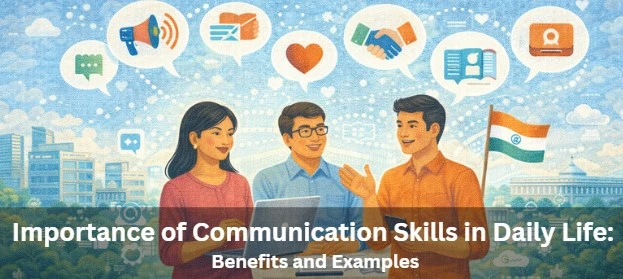

Communication is at the heart of human interaction. From simple conversations at home to complex discussions at workplaces, the ability to express thoughts clearly and understand others plays a decisive role in daily life. Importance of Communication Skills: Why Effective Communication Matters in Daily Life becomes evident when we observe how good communication builds relationships, resolves conflicts, and helps individuals succeed personally and professionally. Strong communication skills are not limited to speaking; they include listening, writing, body language, and emotional understanding.
This article explains why communication skills are essential in everyday life, highlights their benefits, and shares real-life examples to show their practical value.
What Are Communication Skills?
Communication skills refer to the ability to convey information, ideas, feelings, and opinions effectively and appropriately. They involve both verbal and non-verbal aspects, including:
- Speaking clearly and confidently
- Listening actively
- Writing effectively
- Using appropriate body language
- Understanding emotions and context
Good communication is a two-way process that requires clarity, empathy, and attention.
Importance of Communication Skills in Daily Life
Communication skills influence almost every area of life. Whether at home, school, workplace, or society, effective communication ensures smoother interactions and better outcomes.
Builds Strong Personal Relationships
Healthy relationships depend on clear and honest communication. Expressing feelings openly, listening with empathy, and resolving misunderstandings strengthen bonds between family members and friends.
Poor communication often leads to confusion and conflict, while good communication promotes trust and emotional connection.
Improves Academic Performance
Students with strong communication skills can understand instructions better, ask relevant questions, and express their ideas clearly in exams and discussions. Group activities, presentations, and debates become easier when students communicate confidently.
Effective communication also improves teacher-student interaction and learning outcomes.
Enhances Professional Success
In the workplace, communication skills are among the most valued soft skills. Employees who communicate clearly can collaborate effectively, avoid misunderstandings, and contribute positively to team goals.
Good communication improves leadership, teamwork, problem-solving, and career growth.
Supports Emotional Well-Being
Being able to express emotions helps reduce stress and anxiety. Communication allows individuals to share concerns, seek support, and feel understood.
Active listening and empathetic communication also help in managing emotions and maintaining mental well-being.
Strengthens Social Interaction
In society, communication skills promote cooperation and understanding among people from diverse backgrounds. Polite and respectful communication fosters harmony and reduces conflicts.
Effective communication encourages civic participation and community engagement.
Key Benefits of Communication Skills
Clarity and Understanding
Clear communication reduces confusion and ensures that messages are understood correctly. This saves time, prevents mistakes, and improves efficiency in daily activities.
Conflict Resolution
Many conflicts arise due to misunderstandings. Effective communication helps individuals express viewpoints calmly, listen to others, and find common solutions.
Good communication turns disagreements into opportunities for growth.
Confidence and Self-Expression
Strong communication skills boost confidence. Individuals who can articulate their thoughts clearly feel more comfortable in social and professional settings.
Confidence in communication improves self-esteem and decision-making.
Better Decision-Making
Effective communication allows people to share ideas, evaluate options, and reach informed decisions collectively. This is especially important in families, workplaces, and teams.
Leadership Development
Leaders rely heavily on communication skills to motivate, guide, and inspire others. Clear communication builds trust and ensures alignment with goals.
Examples of Communication Skills in Daily Life
At Home
- Discussing family issues calmly
- Listening to children or elders attentively
- Expressing needs and expectations respectfully
Good communication creates a supportive and understanding family environment.
At School or College
- Participating in class discussions
- Giving presentations and speeches
- Working effectively in group projects
Students with good communication skills perform better academically and socially.
At the Workplace
- Communicating tasks and deadlines clearly
- Providing constructive feedback
- Participating in meetings and negotiations
Professional success often depends more on communication than technical skills alone.
In Social Situations
- Introducing oneself confidently
- Engaging in polite conversations
- Respecting different opinions
These skills help individuals build strong social networks.
In Digital Communication
- Writing clear emails and messages
- Using appropriate tone on social media
- Avoiding misunderstandings in online communication
Digital communication skills are increasingly important in modern life.
Types of Communication Skills
Verbal Communication
Involves spoken words used in conversations, presentations, and discussions. Clear pronunciation and appropriate tone are key elements.
Non-Verbal Communication
Includes body language, facial expressions, gestures, and posture. Non-verbal cues often convey emotions more strongly than words.
Written Communication
Writing skills are essential for emails, reports, messages, and academic work. Clear structure and correct language improve understanding.
Listening Skills
Listening is as important as speaking. Active listening shows respect and ensures accurate understanding of the message.
Challenges in Effective Communication
Despite its importance, many people struggle with communication due to:
- Lack of confidence
- Poor listening habits
- Emotional barriers
- Language differences
- Overuse of digital communication
Awareness and practice are necessary to overcome these challenges.
How to Improve Communication Skills
- Practice active listening
- Speak clearly and concisely
- Observe body language
- Improve vocabulary and writing skills
- Seek feedback and learn from mistakes
Consistent effort leads to noticeable improvement over time.
Role of Communication Skills in Personal Growth
Communication skills help individuals express their identity, build relationships, and achieve goals. They play a crucial role in personality development and lifelong learning.
People with strong communication skills adapt better to change and succeed in diverse environments.
Conclusion
Communication is not just about speaking; it is about connecting, understanding, and responding effectively. Importance of Communication Skills: Why Effective Communication Matters in Daily Life highlights how communication shapes relationships, academic success, professional growth, and emotional well-being. By developing strong communication skills, individuals can improve their daily interactions and lead more confident, productive, and fulfilling lives. In today’s interconnected world, effective communication is not a choice but a necessity for personal and social success.





























Sign in to leave a comment.