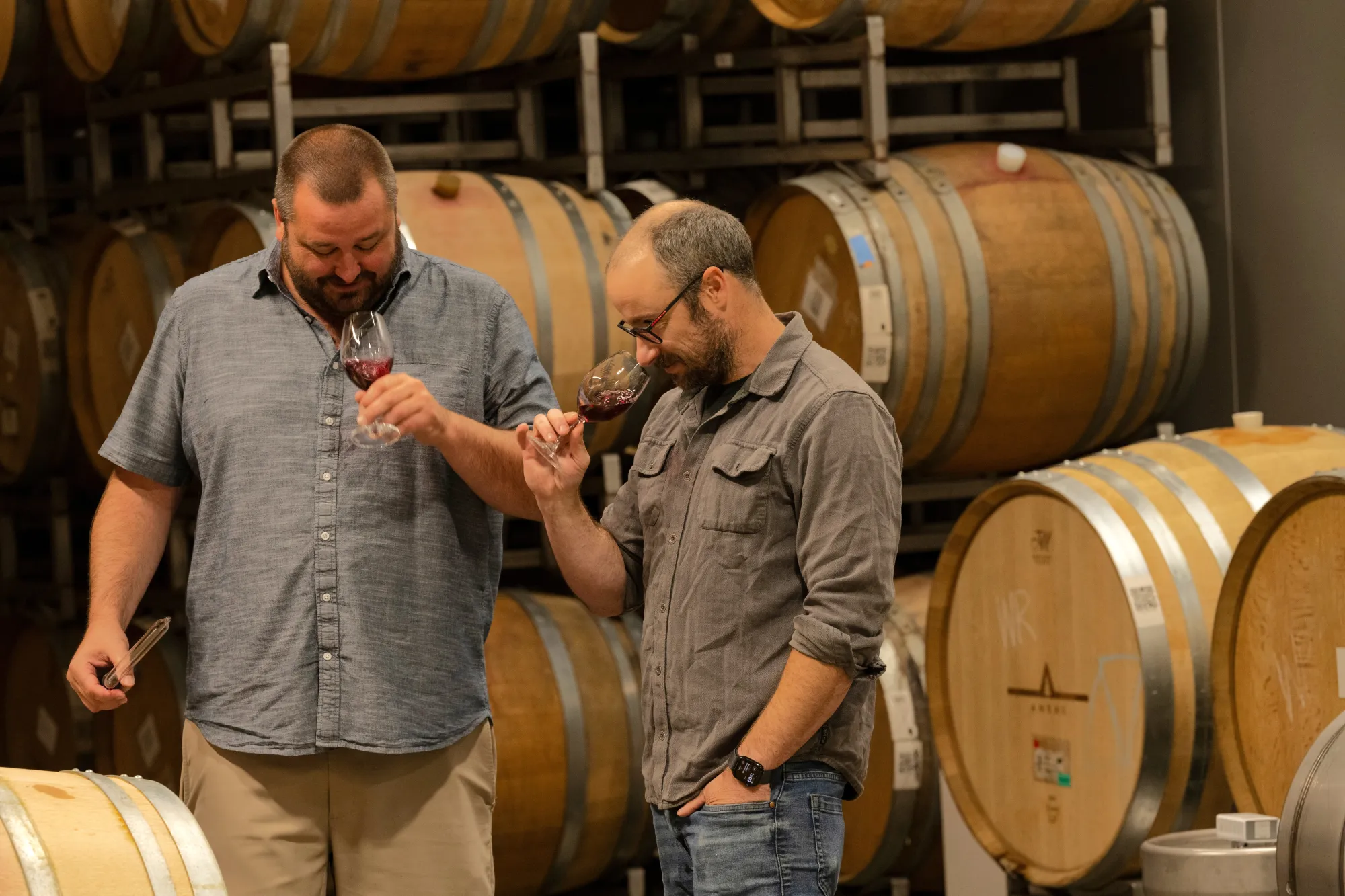

If you've ever compared wine bottles and wondered why one costs significantly more than another, you're not alone. Many consumers ask the same question when they encounter a Regenerative Wine or a wine produced from a Regenerative Organic Certified Vineyard.
The higher price is not simply about branding or packaging.
It reflects the way the grapes are grown, the resources required to care for the vineyard, and a long-term commitment to improving the land. Understanding these factors can help explain why regenerative organic wines often carry a premium and why many wine lovers believe they are worth the investment.
Farming Without Synthetic Shortcuts
Conventional vineyards often rely on synthetic fertilizers, herbicides, and pesticides to manage vine growth and control pests. Regenerative organic farming takes a different approach.
Growers focus on natural methods that support vineyard health while reducing dependence on synthetic inputs. This often means more hands-on vineyard work throughout the growing season. Weeds may be managed mechanically rather than chemically, and soil fertility is built through compost, cover crops, and other natural practices.
These methods are central to Organic Viticulture, but they also require more time, planning, and labor than conventional farming systems.
Healthy Soil Is Built Over Years
One of the foundations of Regenerative Agriculture is soil health.
Rather than treating soil as a medium for growing grapes, regenerative growers view it as a living ecosystem. Practices such as cover cropping, compost application, and reduced soil disturbance help increase organic matter and improve soil structure.
The challenge is that soil improvement does not happen overnight. Building healthy, resilient soils can take years of consistent effort and investment before the full benefits are realized.
For vineyard owners, this means committing resources today to create healthier vineyards for future generations.
Biodiversity Requires Continuous Care
Regenerative vineyards are designed to support more than grapevines. They encourage thriving ecosystems that include pollinators, beneficial insects, birds, and other wildlife.
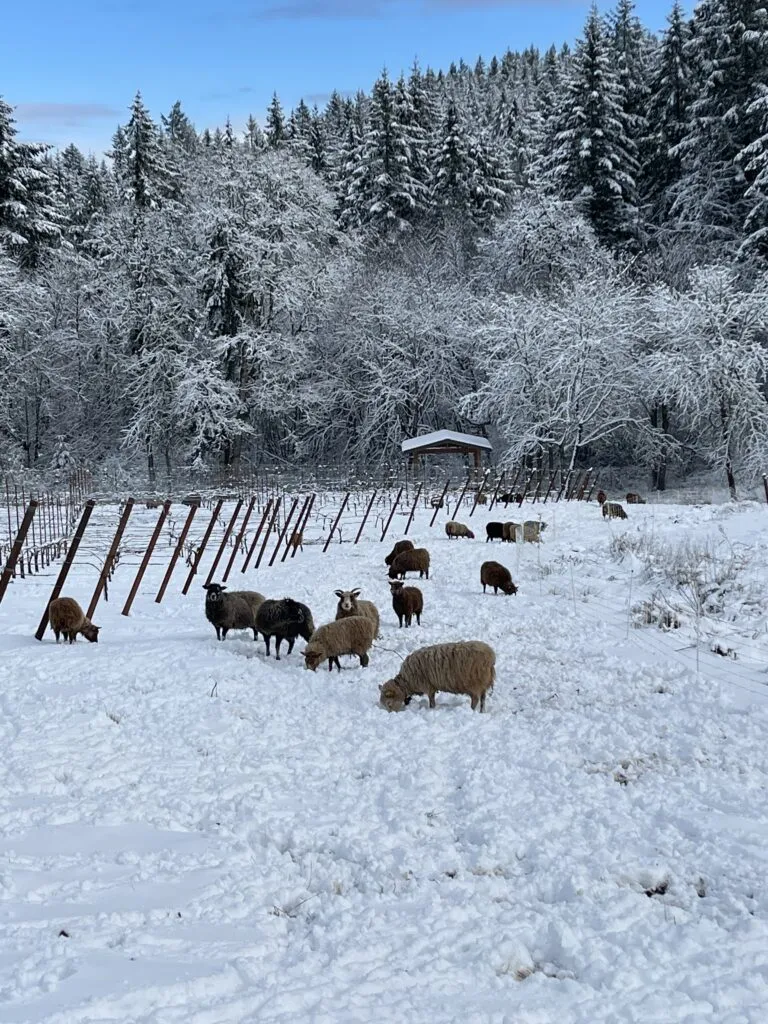
Promoting Biodiversity in Vineyards may involve planting native vegetation, maintaining habitat corridors, integrating grazing animals, or creating environments that support natural pest management.
These practices help strengthen the vineyard ecosystem, but they also require ongoing maintenance and careful management. The result is a vineyard that works more in harmony with nature, though achieving that balance often comes with additional costs.
Certification Comes With Higher Standards
Consumers increasingly want proof that environmental claims are backed by action. Certification programs help provide that assurance.
A Regenerative Organic Certified Vineyard must meet rigorous standards related to soil health, biodiversity, and responsible farming practices. In addition to implementing these practices, vineyards must maintain records, undergo inspections, and demonstrate ongoing compliance.
Certification requires both time and financial investment, but it also provides transparency for consumers seeking wines produced with verified environmental stewardship.
Smaller Yields Can Lead to Greater Quality
Many regenerative vineyards prioritize quality over quantity. Lower vineyard yields often allow grapevines to focus their energy on producing fruit with greater concentration and character. Combined with site-specific farming practices, this can result in wines that better reflect their unique growing environment.
This approach is especially important for premium wines such as Estate Grown Pinot Noir and Estate Grown Chardonnay, where vineyard expression plays a significant role in the final wine.
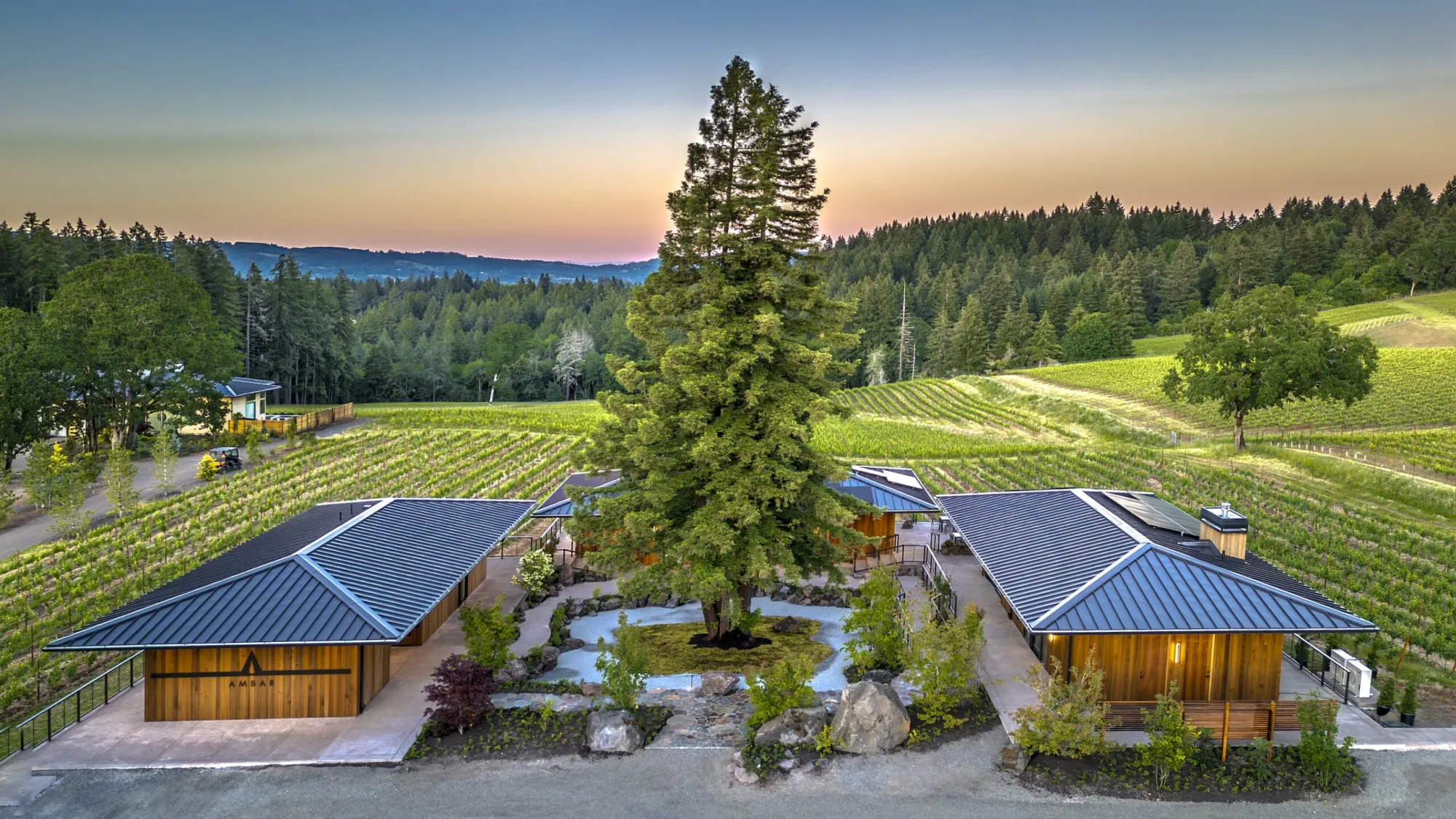
In regions known for exceptional wine production, including the Dundee Hills, growers frequently choose quality-focused farming methods even when they result in fewer bottles produced each year.
Investing in the Future of the Land
One reason regenerative wine resonates with many consumers is its long-term perspective.
Practices associated with Climate Positive Farming focus on improving soil health, increasing carbon storage, enhancing water retention, and strengthening ecosystem resilience. Rather than simply reducing environmental impact, regenerative farming seeks to leave the land healthier than it was before.
This philosophy aligns closely with modern expectations for Sustainable Winemaking, where environmental responsibility is viewed as an essential part of producing premium wine.
For consumers, part of the purchase price helps support farming systems designed to benefit both current and future generations.
Is Regenerative Organic Wine Worth the Extra Cost?
The answer depends on what matters most to you as a wine buyer. If price is the only consideration, there are many affordable wines available. However, consumers who value transparency, environmental stewardship, estate-grown quality, and responsible farming often see regenerative organic wine as offering additional value beyond the bottle itself.
They are not only purchasing wine; they are supporting farming practices that prioritize soil health, biodiversity, and long-term sustainability.
Final Thoughts
Regenerative organic wine costs more because it requires greater investment in the vineyard, the soil, and the surrounding ecosystem. From labor-intensive farming methods and certification requirements to biodiversity initiatives and long-term soil restoration, every stage of the process demands commitment and resources.
For wine lovers exploring an Organic Winery Oregon visitors recommend, discovering a respected Dundee Hills Winery, or visiting a Willamette Valley Winery known for sustainable practices, understanding what goes into regenerative farming can add a deeper appreciation to every glass.
Whether enjoying Pinot Noir Dundee Hills, Chardonnay Dundee Hills, or participating in Wine Tasting Dundee Hills experiences, many consumers find that regenerative organic wine offers something beyond flavour alone, a meaningful connection to the land where it was grown.






















Sign in to leave a comment.