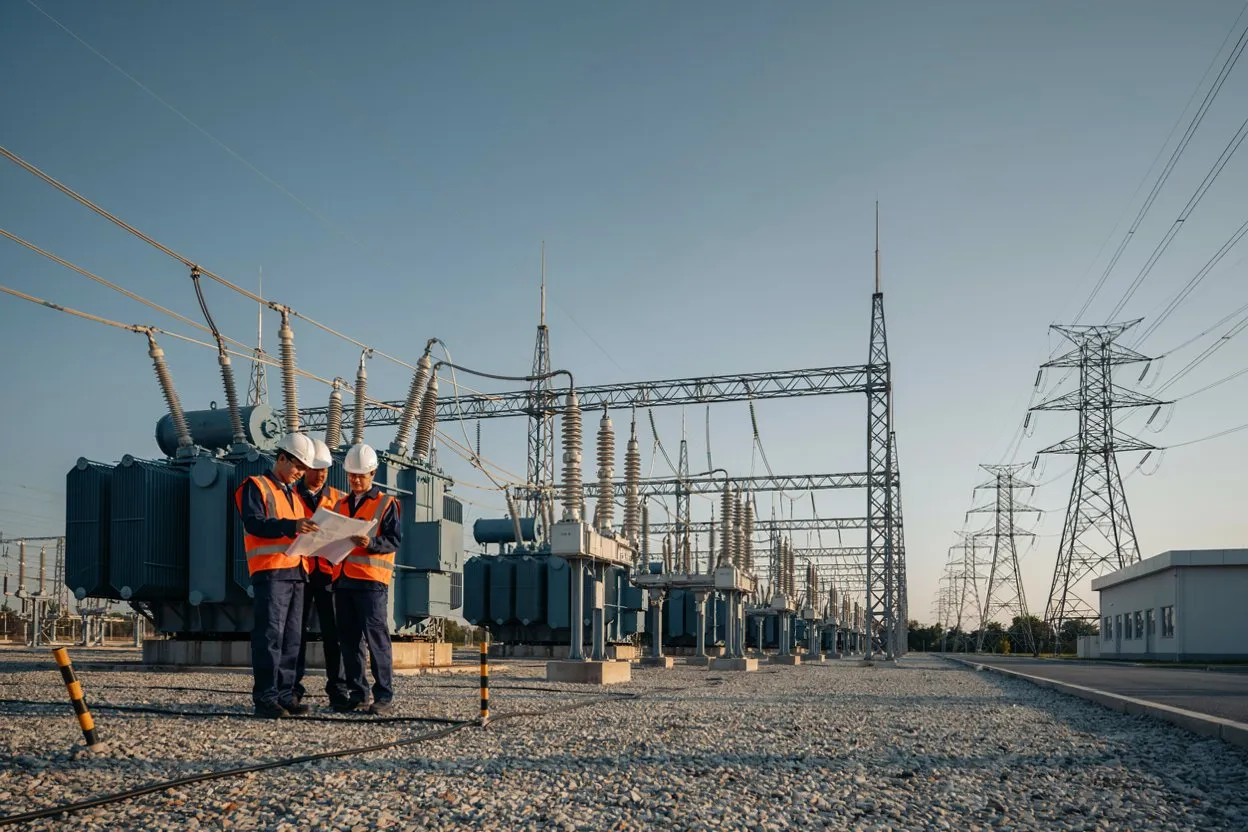

Modern power grids are becoming more complex as utilities integrate renewable generation, battery storage, advanced controls, and increasingly interconnected transmission networks. As these changes continue, traditional steady-state analysis alone may not provide enough insight into how a power system will behave when operating conditions change.
This is where dynamic power system modeling becomes important. Dynamic models allow engineers to study how generators, controls, protection systems, loads, and network components respond over time. By simulating system behavior before changes are implemented in the field, engineers can identify potential stability issues and develop practical solutions.
Understanding Dynamic Power System Modeling
Dynamic modeling represents the time-dependent behavior of electrical equipment and power networks. Unlike steady-state studies, which generally examine a system under a specific operating condition, dynamic studies evaluate how the system responds to disturbances.
A dynamic model can represent components such as synchronous generators, inverter-based resources, excitation systems, governors, automatic voltage regulators, power system stabilizers, transformers, transmission lines, and protective controls.
For example, engineers may simulate a transmission fault and observe how generator rotor angles, system voltage, frequency, and power flows change following the disturbance. This information helps determine whether the system can return to a stable operating condition.
Accurate models are therefore essential for understanding not only where the system is operating, but also how it behaves when conditions change.
Why Dynamic Analysis Is Important for Grid Stability
Power system stability is influenced by numerous interconnected factors. A disturbance in one part of a network can produce effects across a much larger area, particularly in highly interconnected transmission systems.
Power grid dynamic analysis helps engineers evaluate these interactions by examining system performance following events such as:
- Transmission line faults
- Generator trips
- Large load changes
- Transformer outages
- Sudden changes in generation
- Loss of major transmission facilities
- Renewable generation disturbances
- Voltage or frequency events
Engineers can use simulation results to assess transient stability, voltage behavior, frequency response, and oscillatory performance. If simulations identify unacceptable behavior, engineering teams can investigate potential improvements, such as modifying control settings, strengthening transmission infrastructure, or adjusting operating procedures.
This makes dynamic analysis an important part of proactive grid planning rather than simply a tool for investigating problems after they occur.
The Role of PSS/E in Dynamic Power System Studies
Power system engineers commonly use specialized simulation platforms to develop and evaluate dynamic models. PSS/E modeling services are frequently used for transmission planning, generator interconnection studies, stability assessments, and other engineering applications.
A PSS/E model can represent the electrical network and the dynamic characteristics of connected equipment. Engineers can then perform simulations under different scenarios to examine how the system responds to disturbances.
The quality of the results depends heavily on model accuracy. A poorly developed generator model, incorrect control parameter, or inaccurate network representation can produce misleading study results. For this reason, engineers need to validate model data, select appropriate dynamic models, and confirm that simulation results reasonably represent expected equipment behavior.
Proper model development also becomes particularly important for large projects involving multiple generating resources or complex control systems.
Dynamic Modeling and Renewable Energy Integration
The rapid growth of renewable generation is creating new challenges for power system studies. Solar photovoltaic systems, wind farms, battery energy storage systems, and other inverter-based resources can respond differently from traditional synchronous generators.
Their controls may influence voltage, frequency, fault response, and system stability. As renewable penetration increases, understanding these dynamic characteristics becomes increasingly important.
Dynamic simulations can help engineers evaluate questions such as:
- How will a renewable facility respond to a grid disturbance?
- Can voltage remain within acceptable limits after a fault?
- How does inverter control affect system stability?
- What happens when a large renewable facility disconnects?
- Can the transmission network accommodate new generation reliably?
By modeling these behaviors during the planning stage, engineers can identify potential constraints and address them before a project is connected to the grid.
Improving Planning, Compliance, and Project Decisions
Dynamic modeling is useful not only for technical stability assessment but also for broader project planning. Utilities, developers, and engineering teams may need to demonstrate that proposed facilities meet applicable interconnection, reliability, and grid-performance requirements.
Well-developed dynamic models provide a technical foundation for these evaluations. Engineers can use simulation results to support generator interconnection studies, transmission planning, system impact assessments, and equipment control validation.
Dynamic studies can also reduce project uncertainty. Identifying a stability concern during the design phase is generally more manageable than discovering the issue after equipment has been installed or a facility has entered operation.
For developers, this can translate into better-informed decisions regarding equipment specifications, control strategies, transmission upgrades, and project configurations.
Building More Reliable Power Networks with Dynamic Studies
As power systems evolve, engineers need analytical tools that capture both network conditions and equipment behavior over time. Dynamic modeling provides that additional level of insight.
From conventional generation to modern inverter-based resources, accurate models help engineers understand how different components interact during normal operation and system disturbances. When combined with load flow, short-circuit, protection, and other power system studies, dynamic analysis provides a more complete understanding of network performance.
For utilities and energy developers, investing in accurate modeling and thorough simulation can support better engineering decisions, improve system reliability, and help projects move through planning and interconnection processes with greater technical confidence.
At Keentel Engineering, advanced power system analysis can help organizations evaluate complex electrical networks and address the engineering challenges associated with modern grid development. By applying accurate modeling methodologies and practical engineering analysis, project teams can better understand system behavior and plan reliable electrical infrastructure for long-term performance.


























Sign in to leave a comment.