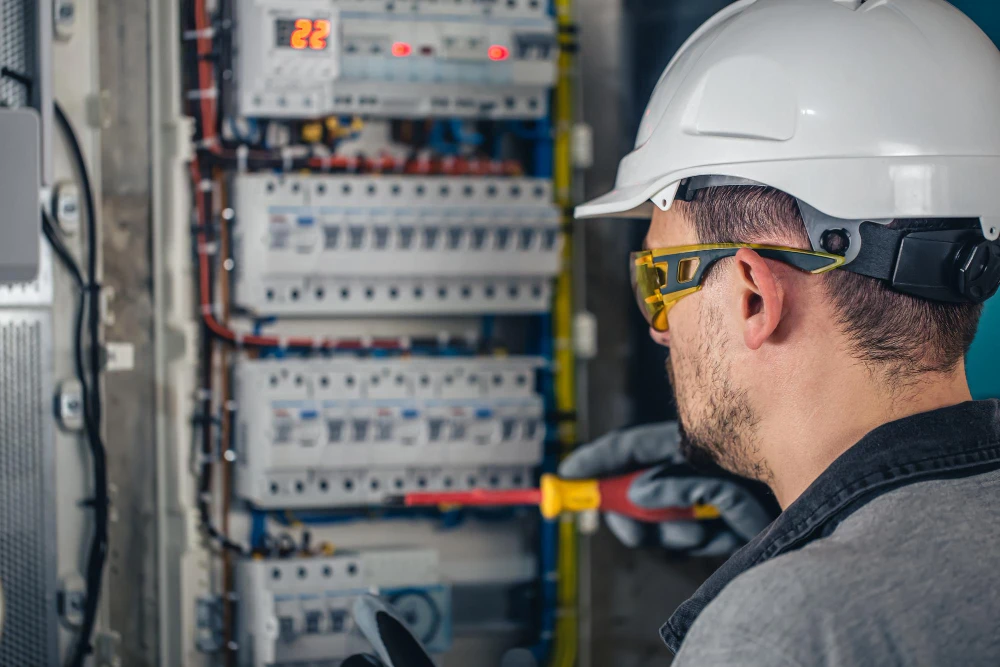

Electrical safety is a critical aspect of any industrial environment. From manufacturing plants to processing units, electricity powers nearly every operation. While it enables efficiency and productivity, it also presents serious risks if not handled properly. Accidents caused by electrical hazards can lead to injuries, equipment damage, costly downtime, and even loss of life. That is why understanding and maintaining electrical safety is essential for everyone working in or managing industrial facilities.
Understanding Electrical Hazards
Electricity, though useful, can be dangerous. Common electrical hazards in industry include exposed wiring, faulty equipment, overloaded circuits, and improper grounding. These hazards can cause electric shocks, burns, fires, and explosions. In high-power industrial environments, the risks are even greater due to the presence of heavy machinery and complex electrical systems.
Even a small mistake, such as touching a live wire or using damaged tools, can have severe consequences. This is why workers must be trained to identify potential dangers and take preventive measures before problems occur.
Protecting Human Life
The most important reason for electrical safety is to protect human life. Electrical accidents can result in serious injuries such as burns, nerve damage, and cardiac arrest. In some cases, these accidents can be fatal.
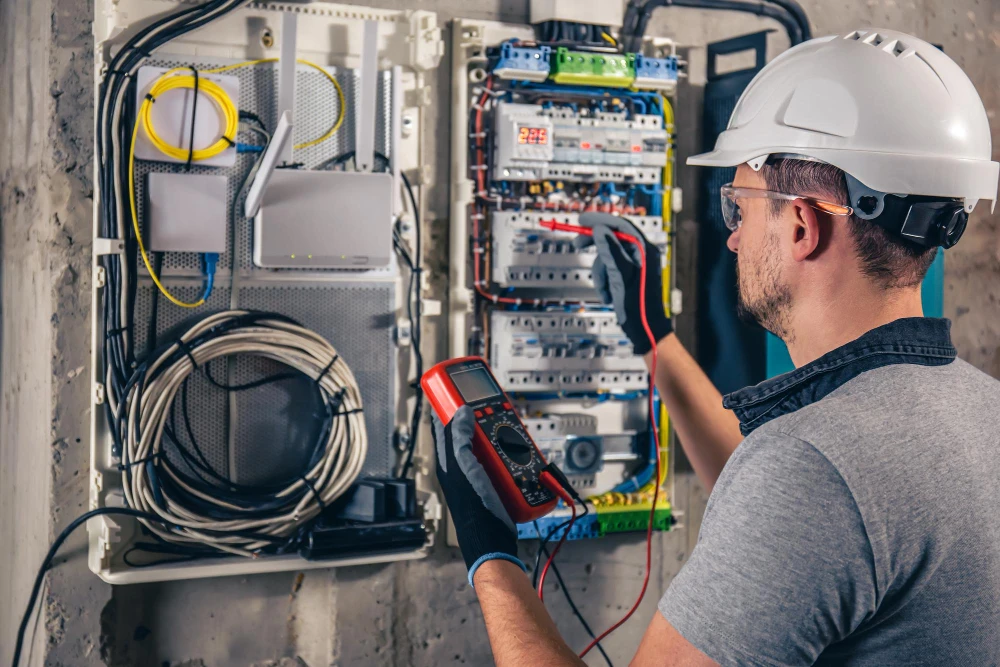
By following proper safety practices, such as wearing protective equipment, using insulated tools, and ensuring equipment is properly maintained, workers can significantly reduce the risk of injury. An industrial electrical technician plays a key role in ensuring that systems are safe to operate and that all safety protocols are followed.
Preventing Equipment Damage
Industrial equipment is often expensive and essential for daily operations. Electrical faults can damage machinery, leading to costly repairs or replacements. For example, voltage fluctuations or short circuits can destroy motors, control panels, and other critical components.
Regular inspection and maintenance help identify issues before they become major problems. Ensuring proper wiring, grounding, and load management can extend the life of equipment and keep operations running smoothly.
Avoiding Production Downtime
In industrial settings, time is money. Any disruption in operations can lead to significant financial losses. Electrical failures are one of the most common causes of unexpected downtime.
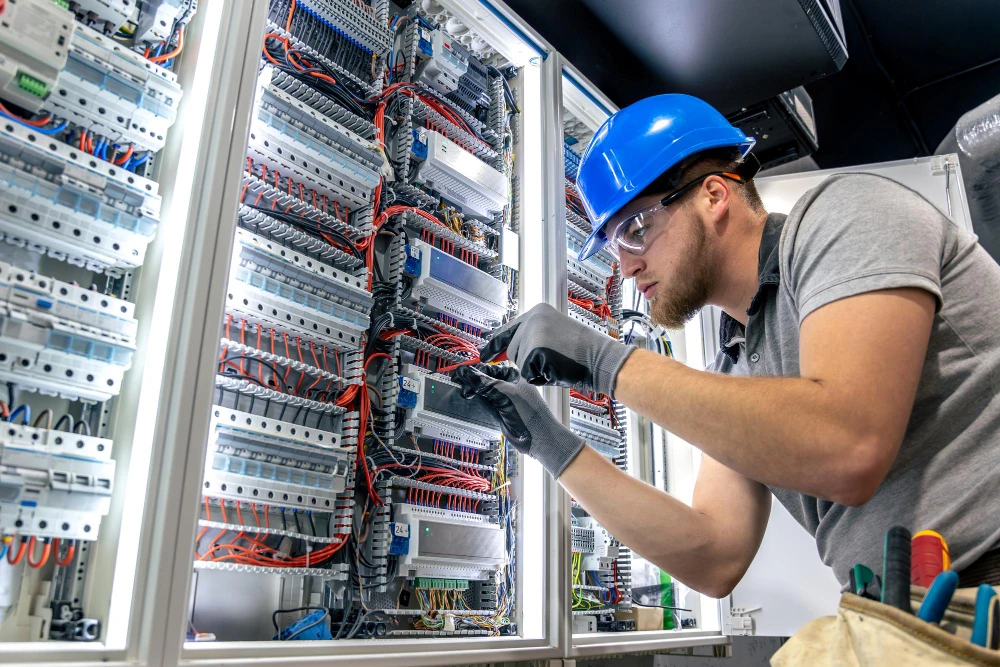
When systems are not maintained properly, minor issues can quickly escalate into major failures. A well-trained industrial electrical technician ensures that electrical systems are regularly checked and maintained, reducing the chances of sudden breakdowns. Preventive maintenance is always more cost-effective than emergency repairs.
Reducing Fire Risks
Electrical faults are a leading cause of industrial fires. Overloaded circuits, short circuits, and faulty wiring can generate excessive heat, which may ignite surrounding materials. In industries dealing with flammable substances, the risk is even higher.
Implementing proper safety measures, such as using the correct circuit protection devices, maintaining equipment, and avoiding overloading, can greatly reduce the chances of fire. Fire prevention not only protects property but also ensures the safety of workers.
Ensuring Legal Compliance
Industrial facilities must follow strict safety regulations and standards set by authorities. These regulations are designed to ensure a safe working environment and prevent accidents. Failure to comply can result in heavy fines, legal action, and even shutdown of operations.
Maintaining electrical safety helps companies stay compliant with these regulations. Regular audits, proper documentation, and adherence to safety guidelines are essential for avoiding legal issues. An industrial electrical technician often assists in ensuring that systems meet required safety standards.
Promoting a Safety Culture
Electrical safety is not just about rules and equipment, it is also about mindset. Creating a culture of safety within the workplace encourages everyone to take responsibility for their actions.
When workers are aware of risks and trained in safe practices, they are more likely to follow procedures and report potential hazards. This proactive approach helps prevent accidents before they occur. Safety training sessions, clear communication, and strong leadership all contribute to building this culture.
Improving Productivity and Efficiency
A safe workplace is also a productive workplace. When workers feel secure, they can focus better on their tasks. Frequent accidents or equipment failures can disrupt workflow and reduce efficiency.
By maintaining electrical safety, industries can ensure smooth operations and consistent performance. Well-maintained systems operate more efficiently, consume less energy, and require fewer repairs. This leads to better overall productivity and cost savings.
Key Electrical Safety Practices
To maintain a safe industrial environment, certain practices should always be followed:
- Regular inspection and maintenance of electrical systems
- Proper use of personal protective equipment (PPE)
- Avoiding overloading of circuits
- Ensuring proper grounding and insulation
- Using high-quality tools and equipment
- Providing proper training to workers
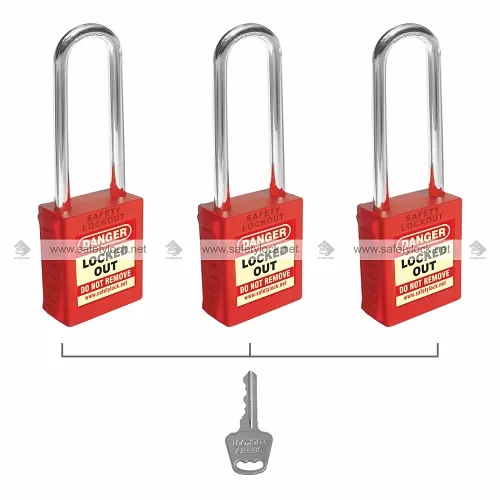
- Following lockout/tagout procedures during maintenance
These simple yet effective measures can significantly reduce risks and create a safer workplace.
Conclusion
Electrical safety is a vital part of industrial operations. It protects workers, prevents equipment damage, reduces downtime, and ensures compliance with regulations. More importantly, it helps create a secure and efficient working environment.
Ignoring electrical safety can lead to serious consequences, but with proper knowledge, training, and preventive measures, these risks can be minimized. Every worker, supervisor, and industrial electrical technician has a role to play in maintaining safety standards.
By prioritizing electrical safety, industries not only protect their people and assets but also build a foundation for long-term success.

























Sign in to leave a comment.