
Choosing the right industrial electrical contractor is a critical decision that can directly impact safety, productivity, compliance, and long-term operational costs. Industrial electrical systems are far more complex than residential or commercial setups, involving high-voltage equipment, specialized machinery, automation systems, and strict regulatory requirements. Partnering with the wrong contractor can lead to costly downtime, safety hazards, and compliance violations.
This guide will walk you through the key factors to consider when selecting an industrial electrical contractor and help you make an informed, confident decision for your facility.
1. Understand Your Industrial Electrical Needs
Before evaluating contractors, clearly define your project or ongoing service requirements. Industrial facilities vary widely, and not every contractor has the same expertise.
Ask yourself:
- Do you need new electrical installations, upgrades, or expansions?
- Are you looking for preventive maintenance or emergency repair services?
- Does your facility use automation, PLCs, VFDs, or control panels?
- Are you operating in a regulated industry such as manufacturing, food processing, oil & gas, or pharmaceuticals?
Having a clear scope ensures you select an industrial electrical company that specializes in the services your operation actually needs.
2. Look for Proven Industrial Experience
Industrial electrical work is not an area for generalists. Always prioritize contractors with specific industrial experience, not just commercial or residential backgrounds.
Key indicators of relevant experience include:
- Projects completed in similar industries
- Familiarity with heavy machinery and high-voltage systems
- Experience working in active facilities without disrupting operations
- Understanding of industrial safety protocols and workflows
Ask potential contractors for case studies, references, or examples of past industrial projects. An established industrial electrical company should be able to demonstrate a strong track record.
3. Verify Licensing, Certifications, and Insurance
Compliance and safety should never be compromised. Ensure the contractor meets all legal and professional requirements.
Check for:
- Valid state and local electrical licenses
- Proper insurance coverage (general liability, workers’ compensation)
- Industry certifications such as OSHA training or NFPA 70E compliance
- Ongoing training programs for technicians
A reputable industrial electrical company will be transparent about its credentials and happy to provide documentation upon request.
4. Prioritize Safety Culture and Compliance Knowledge
Industrial electrical work carries inherent risks. A strong safety culture is not optional—it’s essential.
Ask contractors about:
- Their safety training programs
- Experience with arc flash analysis and mitigation
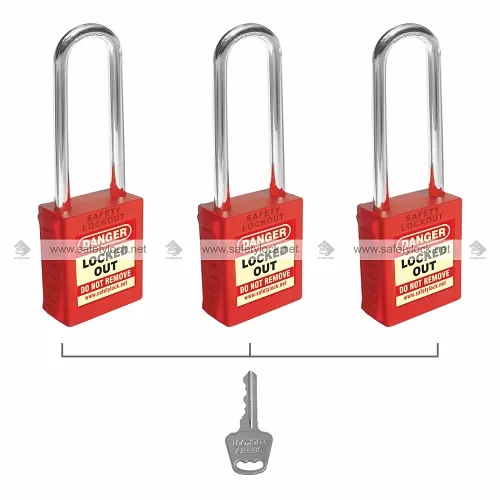
- Lockout/tagout procedures
- Compliance with OSHA, NFPA, and local electrical codes
Contractors who prioritize safety help protect not only their workers but also your employees, equipment, and facility from serious incidents and liability.
5. Assess Technical Capabilities and Resources
Industrial facilities often require advanced technical expertise and specialized equipment. Your contractor should be capable of handling both current needs and future growth.
Evaluate whether they offer:
- Design-build electrical services
- Control systems and automation expertise
- Power quality analysis and troubleshooting
- Preventive and predictive maintenance programs
- 24/7 emergency response services
A full-service industrial electrical company can act as a long-term partner rather than just a one-time service provider.
6. Consider Responsiveness and Communication
Downtime in industrial operations can be extremely costly. When electrical issues arise, fast and clear communication is crucial.
Pay attention to:
- How quickly they respond to inquiries
- Willingness to conduct site assessments
- Clarity in explaining technical issues
- Availability for emergency services
Contractors who communicate well are easier to work with and more likely to prevent small problems from becoming major disruptions.
7. Evaluate Reputation and References
Reputation speaks volumes in the industrial sector. Take the time to research and verify what others say about the contractor.
Steps to take:
- Ask for client references from similar industries
- Read online reviews and testimonials
- Check industry affiliations or memberships
- Look for long-term client relationships, not just one-off projects
A trusted industrial electrical company will have strong references and repeat clients who rely on them for ongoing support.
8. Compare Pricing—But Don’t Choose on Cost Alone
While budget is important, choosing the lowest bid can be risky in industrial electrical work. Poor workmanship or lack of expertise can result in higher long-term costs.
Instead, compare:
- Scope of services included in the proposal
- Quality of materials and equipment used
- Warranty and service guarantees
- Long-term maintenance options
Value, reliability, and expertise often outweigh short-term savings when selecting an industrial electrical contractor.
9. Look for a Long-Term Partnership Mindset
The best contractors don’t just fix problems—they help prevent them. Look for a contractor who takes time to understand your operation and offers proactive solutions.
A strong industrial electrical company will:
- Recommend system improvements
- Help plan future expansions
- Provide ongoing maintenance strategies
- Act as a trusted advisor, not just a vendor
This partnership approach can significantly improve system reliability and reduce unexpected failures.
Conclusion
Choosing the right industrial electrical contractor is a decision that affects safety, efficiency, compliance, and profitability. By focusing on experience, certifications, safety culture, technical capabilities, and long-term value, you can confidently select a partner that supports your operational goals.
A reliable industrial electrical company doesn’t just complete projects—it helps keep your facility running safely, efficiently, and competitively for years to come. Taking the time to choose wisely today can prevent costly issues and downtime tomorrow.
























Sign in to leave a comment.