
When something goes wrong in an industrial facility, it rarely happens at a convenient time. A sudden power failure, equipment malfunction, or electrical fault can halt production, compromise safety, and cost thousands of dollars per hour in downtime. That’s where emergency industrial electrician services step in.
If you manage a manufacturing plant, warehouse, processing facility, or large commercial site, understanding what to expect from an emergency response team can help you act quickly and minimize disruption.
Why Emergency Industrial Electrical Services Matter
Industrial environments operate on complex electrical systems that power heavy machinery, automation systems, lighting, safety controls, and more. Unlike small-scale electrical issues in offices or homes, industrial problems often involve:
- High-voltage systems
- Three-phase power distribution
- Motor control centers (MCCs)
- Transformers and switchgear
- Programmable logic controllers (PLCs)
When one of these systems fails, the ripple effect can be immediate and severe. Production delays, safety hazards, damaged equipment, and even regulatory violations can follow.
Emergency industrial electricians are trained to handle these high-stakes situations with speed and precision.
Situations That Require Emergency Industrial Electricians
Not every electrical issue requires urgent intervention. However, certain scenarios demand immediate attention:
1. Complete Power Outage
If your facility loses power unexpectedly and it’s not a grid-wide issue, the cause may be internal — such as a failed breaker, transformer fault, or switchgear issue.
2. Burning Smells or Smoke
This could indicate overheating wires, overloaded circuits, or equipment failure. Delayed action increases fire risk.
3. Equipment Malfunction
When critical machinery stops working due to electrical faults, production may grind to a halt.
4. Repeated Circuit Trips
Frequent breaker trips often signal deeper issues like short circuits, ground faults, or improper load balancing.
5. Exposed Wiring or Electrical Damage
In industrial facilities, exposed wiring can create serious safety hazards for workers.
In these situations, contacting a qualified emergency electrician in Richmond or your local industrial specialist ensures rapid diagnosis and resolution.
What to Expect When You Call for Emergency Service
Understanding the process helps reduce stress during a crisis. Here’s what typically happens.
1. Rapid Response and Initial Assessment
Emergency industrial electricians prioritize urgent calls and often provide 24/7 service. When you contact them, expect:
- A brief but focused conversation to assess the severity
- Questions about symptoms (power loss, sparks, noise, equipment failure)
- Estimated arrival time
Time is critical. A reliable provider understands that industrial downtime is expensive and responds accordingly.
2. On-Site Inspection and Safety Evaluation
Once on-site, the electrician will:
- Conduct a safety inspection
- Isolate affected systems
- Ensure the area is safe for workers
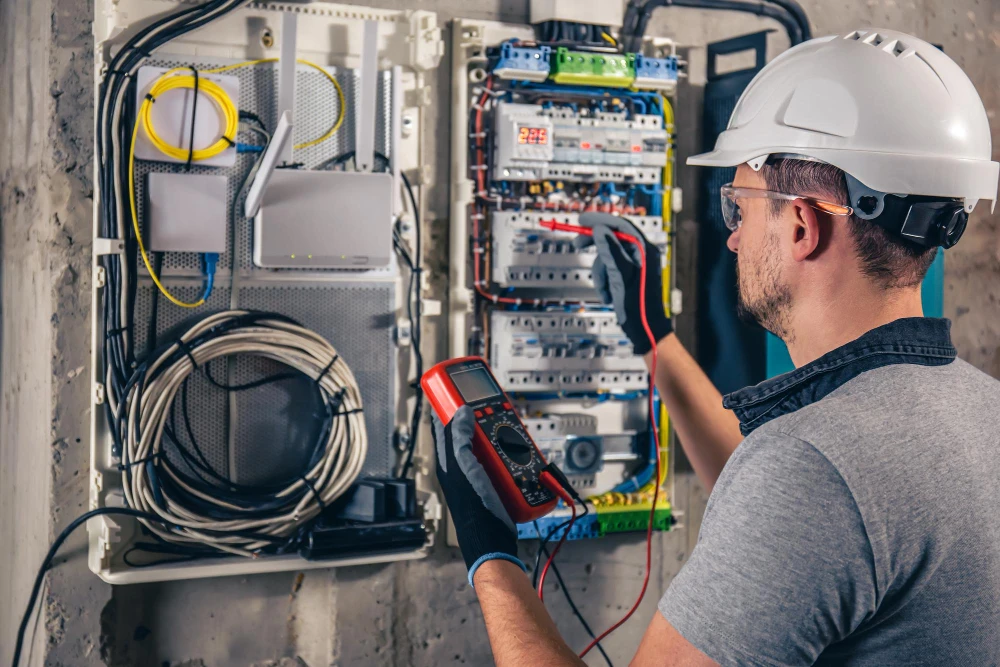
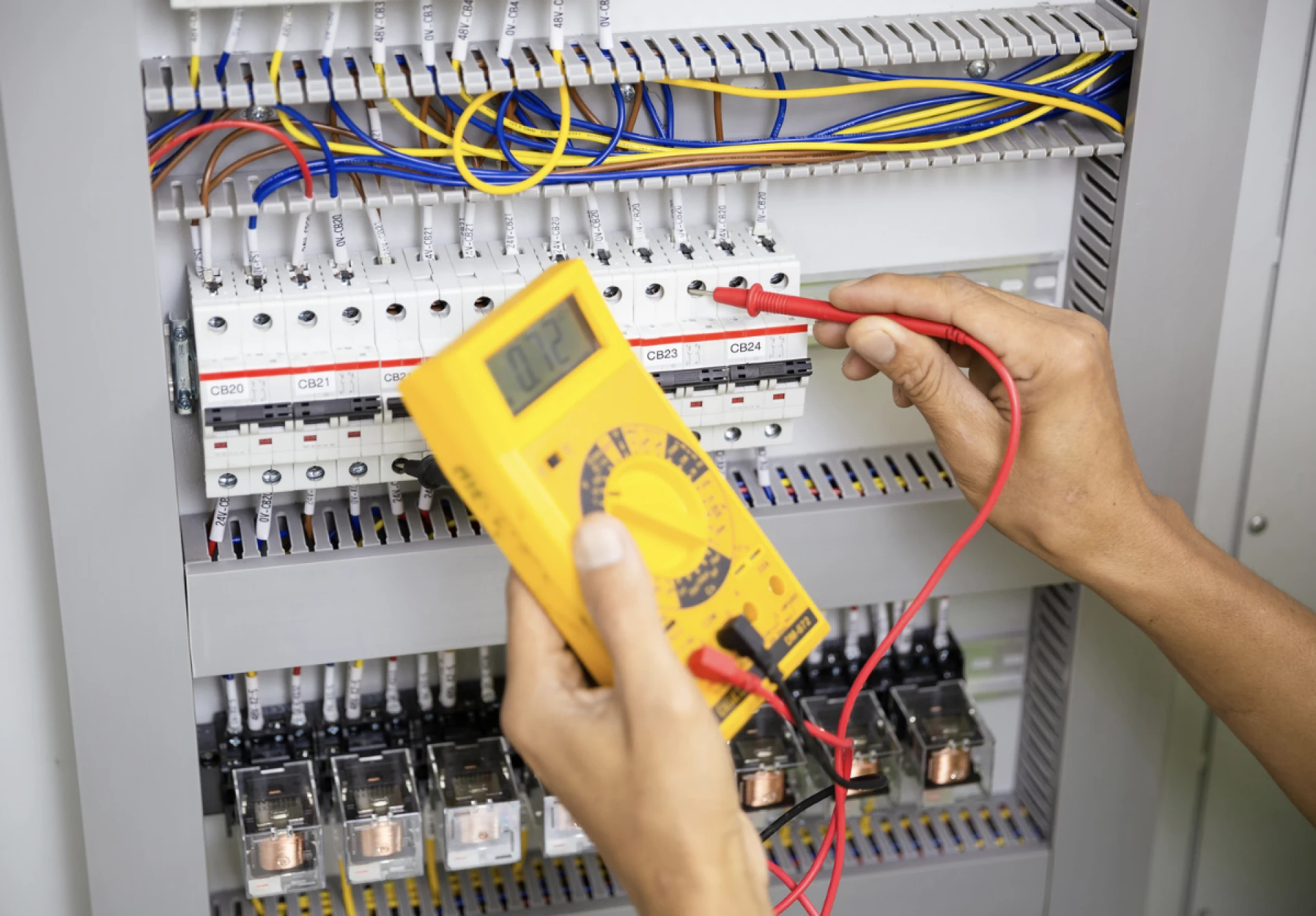
- Use testing equipment to identify the root cause
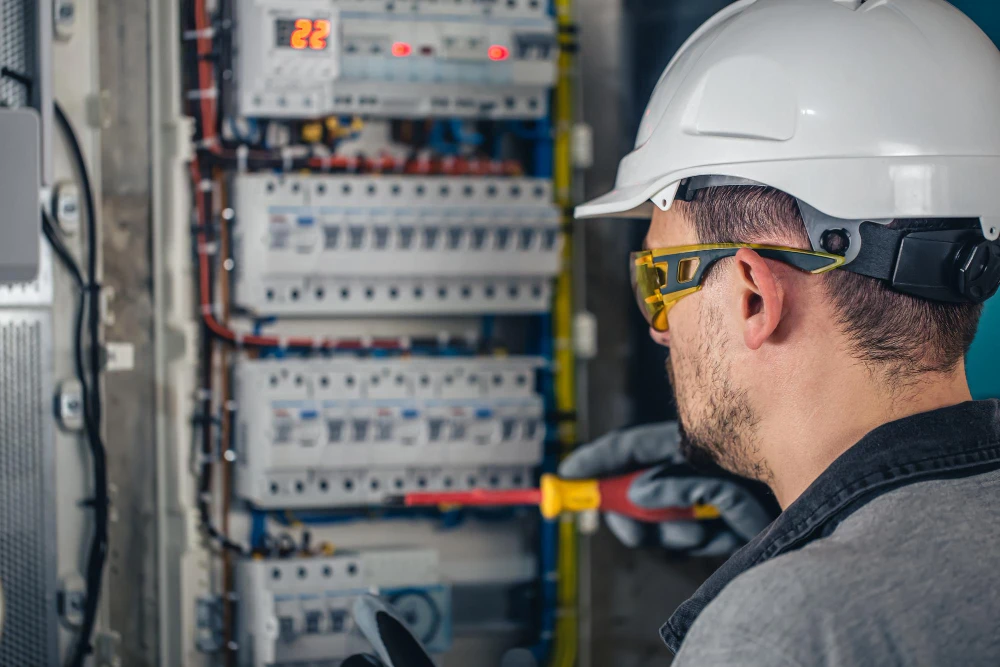
Industrial environments require strict adherence to safety protocols. Lockout/tagout procedures and proper personal protective equipment (PPE) are standard.
You should expect professionalism, clear communication, and safety-first procedures.
3. Diagnosis and Immediate Action Plan
After identifying the issue, the electrician will explain:
- The root cause
- Temporary vs. permanent solutions
- Estimated repair time
- Potential risks if left unresolved
In some cases, a temporary repair may be implemented to restore partial operations while a full repair is scheduled.
Transparent communication is key. A trusted electrician in Richmond working in industrial settings will outline options so facility managers can make informed decisions quickly.
4. Repair, Replacement, or System Stabilization
Emergency services may involve:
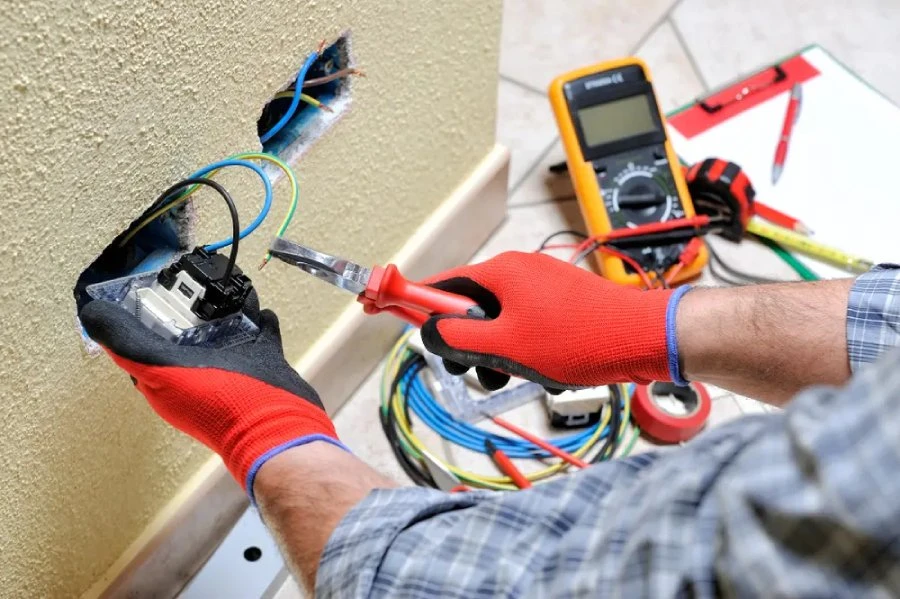
- Replacing damaged wiring or components
- Resetting or replacing breakers
- Repairing motor control systems
- Rebalancing loads
- Addressing transformer or panel issues
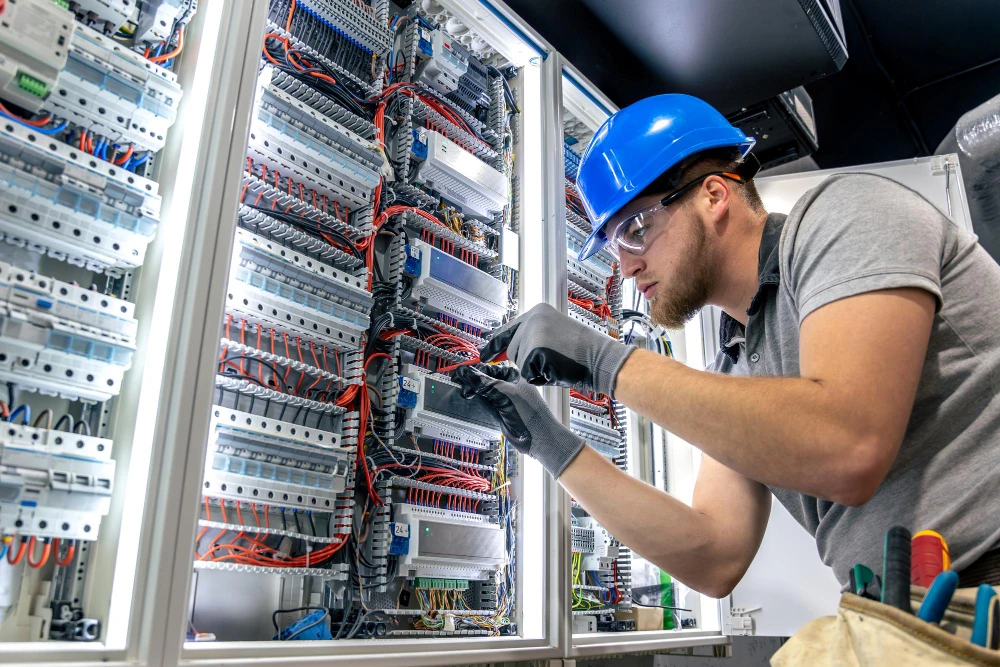
Industrial electricians arrive equipped with specialized tools and diagnostic equipment suited for high-voltage systems.
The goal is not just restoring power, but restoring safe, stable operations.
Key Qualities of a Reliable Emergency Industrial Electrician
Not all electricians are equipped for industrial emergencies. Here’s what separates professionals from general contractors.
Industrial Experience
Industrial systems differ significantly from residential and commercial setups. Experience with manufacturing equipment, automation systems, and large-scale power distribution is essential.
24/7 Availability
Emergencies don’t wait for business hours. A dependable provider offers round-the-clock support.
Strong Safety Record
Industrial electrical work carries significant risks. Proper certifications, safety training, and adherence to regulatory standards are non-negotiable.
Advanced Diagnostic Skills
Emergency situations require fast and accurate troubleshooting. Experienced electricians use thermal imaging, voltage testing, and system analysis tools to pinpoint faults efficiently.
If your facility relies on uninterrupted power, building a relationship with a reputable electrician in Richmond before an emergency occurs can save valuable time later.
How to Prepare Before an Emergency Happens
Preparation reduces chaos. Consider taking these steps:
1. Maintain Updated Electrical Diagrams
Having current schematics available speeds up troubleshooting.
2. Schedule Preventive Maintenance
Routine inspections can catch issues before they become emergencies.
3. Establish an Emergency Contact
Know exactly who to call. Don’t waste time searching for a contractor during a crisis.
4. Train Staff on Safety Protocols
Employees should know how to shut down equipment safely and report electrical concerns immediately.
The Cost of Delayed Action
Industrial downtime can be extremely costly. Even a few hours without operational equipment may impact:
- Production deadlines
- Customer commitments
- Worker productivity
- Equipment lifespan
Electrical faults left unresolved can also escalate into fires or major equipment damage, multiplying repair costs.
Prompt emergency intervention protects not just infrastructure, but people.
After the Emergency: What Comes Next?
Once immediate repairs are complete, expect recommendations for:
- System upgrades
- Load redistribution
- Component replacements
- Improved surge protection
- Preventive maintenance plans
A proactive approach ensures the same issue doesn’t recur. The best emergency electricians don’t just fix the problem — they strengthen your system against future failures.
Final Thoughts
Emergency industrial electrician services are about more than quick fixes. They are about safety, continuity, and minimizing operational losses. When power systems fail in an industrial environment, the stakes are high — and the response must be immediate and expert-driven.
By understanding what to expect — rapid response, thorough diagnostics, safe repairs, and clear communication — facility managers can handle emergencies with greater confidence.
And when the unexpected happens, having a trusted industrial electrical partner already in place ensures your operations can get back online as quickly and safely as possible.
























Sign in to leave a comment.