
If you ask any owner or operations head in the UAE’s manufacturing or fabrication sectors, one complaint comes up repeatedly: “we’re juggling too many disconnected systems.” Between material procurement, job costing, inventory, labor, and compliance, tracking everything across spreadsheets, disparate tools, or manual processes often leads to costly mistakes—and missed opportunities. That’s where a well-implemented ERP system becomes not just helpful, but essential.
The Fast-Paced Reality of UAE Industry
In the UAE, timelines are tight. Whether you run a fabrication shop in Sharjah, supply to construction projects in Dubai, or deliver steel components for Abu Dhabi’s energy sector, operations must move with agility and precision. Without real-time visibility—from raw materials to project margins—you’re navigating blind.
What’s more, doing business in the UAE carries unique regulatory and operational challenges:
- VAT, ZATCA, and tax compliance
- Cross-border trade across GCC markets
- Labor regulations and evolving safety standards
- Rapid scaling demands, especially when supplying major infrastructure projects
A suitable ERP system designed for the UAE environment can unify these moving parts—offering a centralized platform that frees your team from firefighting and lets them focus on growth.
Key Benefits of ERP for Manufacturers & Fabricators
After adopting ERP, many firms in the UAE report striking improvements, including:
- Live job profitability tracking
- Rather than discovering cost overruns too late, ERP lets you spot budget leaks in real time.
- Better inventory control
- Avoid surprises—like running out of vital steel—or overstocking unnecessary raw materials.
- Faster, data-driven decisions
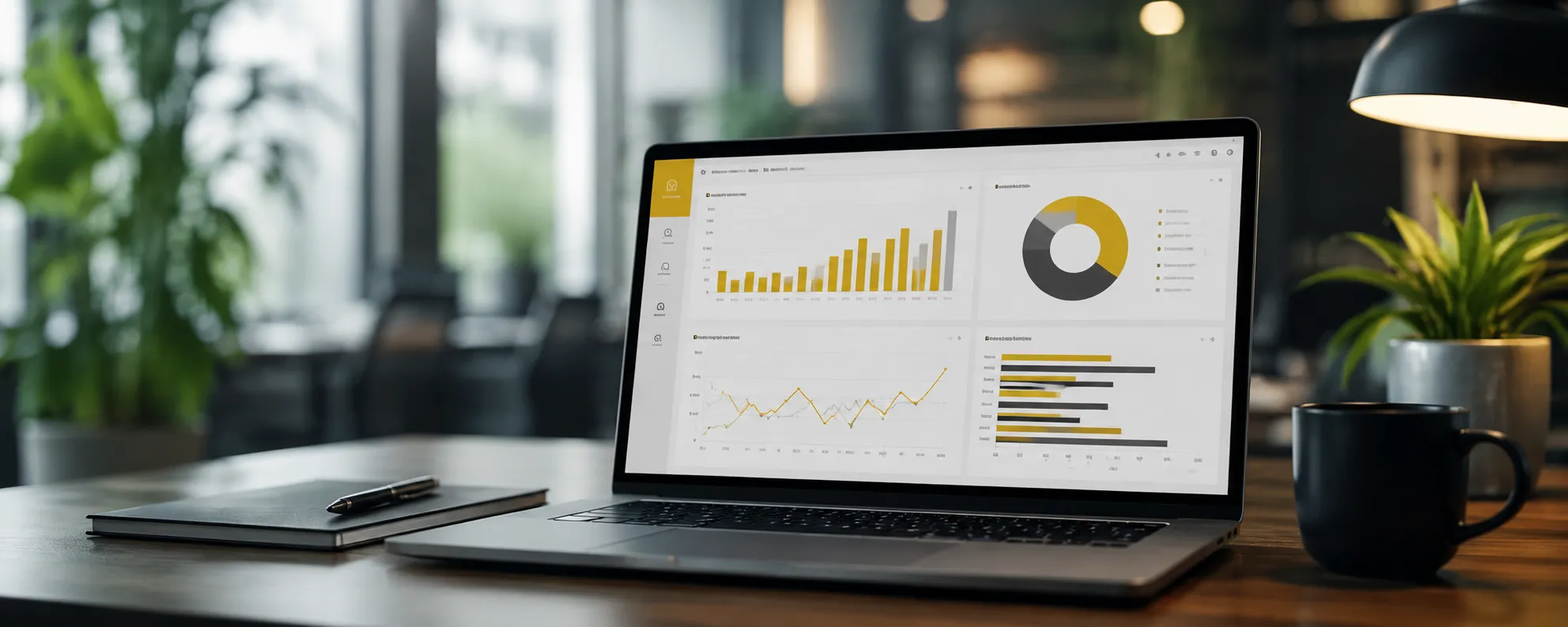
- Managers can access dashboards anywhere—from office to site—to examine updated metrics.
- Enhanced client trust
- On-time delivery and transparent operations build a reputation—critical in a market where word of mouth spreads fast.
Imagine a mid-scale Abu Dhabi fabrication firm that handles steelwork and maintenance for oil & gas projects. Before ERP, they’d manage accounting, material orders, and operations with siloed tools and endless manual coordination. After introducing an ERP, they gained one unified dashboard showing pending orders, material usage, project status, and profitability—streamlining reconciliation, reporting, and execution.
What Makes a Great ERP for the UAE?
Not all ERP systems are built for the local environment. When selecting one, look for:
- Bilingual support (Arabic + English) for teams and documentation
- VAT / GCC compliance modules to satisfy regional regulatory demands
- Cloud and mobile access so managers and technicians can work from offices, sites, or remote locations
- Industry-specific workflows for manufacturing, fabrication, construction, or materials management
Choosing the right ERP isn’t about ticking features—it’s about finding a solution that understands your challenges in the UAE context.
Conclusion
In today’s competitive UAE landscape, ERP isn’t a “nice-to-have” — it’s a necessity. With pressures mounting—tighter projects, higher compliance expectations, and demanding clients—manufacturers and fabricators relying on outdated, disconnected systems will find themselves falling behind. If your team spends more hours patching spreadsheets than driving growth, an ERP reset could be the game changer.
Start your ERP journey now—and empower your operations to move from reactive to proactive, from fraught to fluid.





























Sign in to leave a comment.