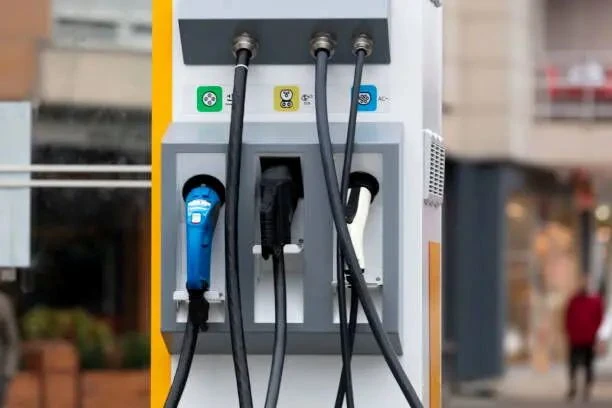

Why EV Charging Matters for Hotels Today
As electric vehicles (EVs) move rapidly into the mainstream, businesses across all sectors are adapting to meet growing demand for EV infrastructure—and the hospitality industry is no exception. For hotels, resorts, and other lodging providers, offering on-site EV charging is no longer a niche perk; it has become a must-have amenity for attracting and retaining guests.
Installing smart EV charging stations not only addresses the increasing need for accessible charging but also signals a commitment to sustainability, innovation, and modern guest expectations. Integrating EV chargers strengthens your brand, provides a competitive edge, and supports a cleaner future for mobility.
Destination Charging: Meeting EV Travelers’ Needs
While around 80% of EV charging occurs at home, a growing number of travelers require reliable access on the road. Destination charging—charging at the traveler’s final stop, typically overnight or during multi-hour visits—offers a relaxed and convenient experience compared to fast highway charging.
Hotels, resorts, and conference centers are ideal for destination charging, enabling guests to arrive, check in, and leave their vehicle charging while they attend meetings, dine, or sleep.
Types of EV Chargers for Hotels
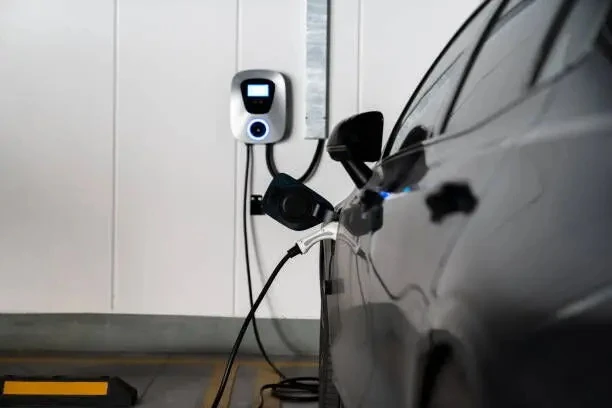
- Level 2 Chargers:
- Best for most hotels, offering a balance of speed and affordability.
- Can replenish most EV batteries within 4–8 hours, ideal for overnight guests or long events.
- DC Fast Chargers (Level 3):
- Provide rapid charging for short stays, but are costly to install.
- High-traffic or large resort properties may benefit from one or two fast chargers to serve a wider guest base.
Key Benefits of Hotel EV Charging
- Attract High-Spending, Tech-Savvy Guests
- EV drivers are typically affluent, environmentally conscious, and loyal to hotels offering sustainable amenities. Advertising EV charging capabilities makes your property more appealing to this desirable demographic.
- Boost Occupancy and Booking Visibility
- Travel platforms and EV apps like PlugShare, ChargeHub, and Tesla Navigation filter for hotels with EV chargers. Properties offering this service gain visibility and can influence booking decisions.
- Generate New Revenue Streams
- Pay-per-use: Guests pay per kWh or session.
- Bundled with room rates: Premium packages include free or discounted charging.
- Loyalty perks: Reward members with complimentary charging.
- Partnerships: Collaborate with network providers for installation, maintenance, and revenue sharing.
- Support Sustainability Goals and Enhance Brand Image
- EV charging lowers carbon footprint and demonstrates environmental responsibility. Green amenities help properties pursue LEED certification or align with ESG goals, appealing to investors and eco-conscious guests.
- Take Advantage of Incentives
- Governments and utilities offer grants, tax credits, rebates, and public-private partnerships, sometimes covering up to 80% of upfront costs. Acting early maximizes available funding.
Operational Considerations
- Site Assessment:
- Electrical capacity, parking layout, guest convenience, accessibility, and integration with renewable energy.
- Choosing the Right Equipment:
- Level 2 chargers for overnight stays.
- DC fast chargers for quick turnarounds.
- Smart chargers with load balancing, remote monitoring, and reservation features.
- Enhancing Guest Experience:
- Branded chargers, clear signage, and dedicated EV parking.
- Real-time availability via apps or digital displays.
- Integration with loyalty programs or eco-travel packages.
Real-World Examples
- Marriott International: Offers Tesla and universal Level 2 chargers across properties, searchable via the Marriott Bonvoy app.
- Hilton Worldwide: Integrates EV charging into its “Travel with Purpose” sustainability strategy.
- Accor Hotels: Provides EV charging as part of eco-luxury initiatives across European properties.
- Boutique Hotels: Smaller hotels use EV charging to differentiate and attract eco-conscious travelers.
Challenges and Solutions
- Upfront Costs: $2,000–$10,000 per charger, mitigated by incentives, utility partnerships, and long-term returns.
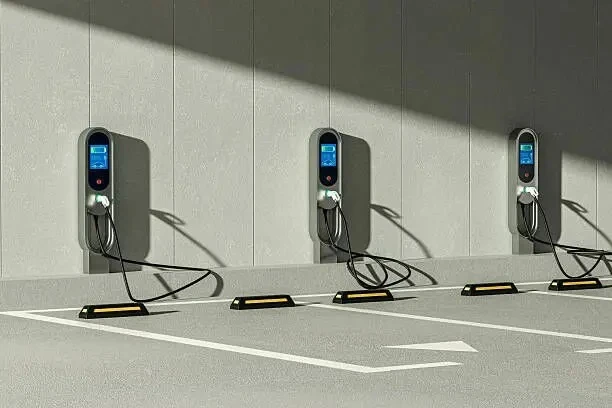
- Parking Limitations: Use wall-mounted chargers, reserve priority spots, and post clear signage.
- Power Load Management: Load balancing systems can prevent overloading and reduce the need for expensive electrical upgrades.
The Future of EV Charging in Hospitality
- Standardized charging stations across all hotel classes.
- AI-powered energy management optimizing charging schedules.
- Integration with guest apps for reservations, billing, and monitoring.
- Partnerships with EV brands for co-marketing and exclusive benefits.
- Eco-tourism packages bundling EV charging, carbon offsets, and sustainable activities.
As EV adoption grows, charging stations will become as fundamental as Wi-Fi or air conditioning.
Conclusion: Lead the Charge
Investing in EV charging is about more than technology—it’s about hospitality, guest satisfaction, and sustainability. Whether you operate a large hotel chain, boutique inn, or family-owned lodge, EV chargers offer a clear competitive advantage while supporting a greener future.
By powering vehicles, you’re also powering guest loyalty, brand reputation, and long-term growth. The time to act is now—your guests and the planet will thank you.It's important to know about Google SEO to help your website rank higher in search results.























Sign in to leave a comment.