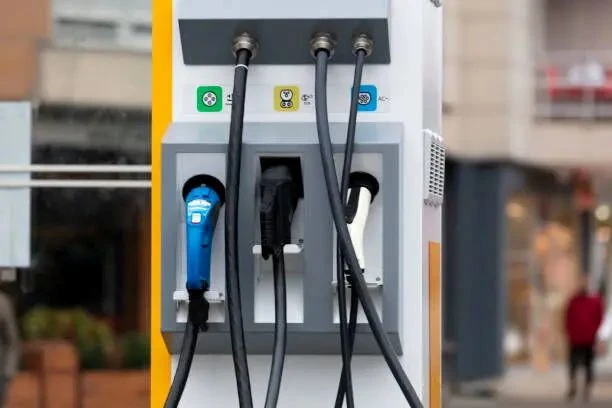

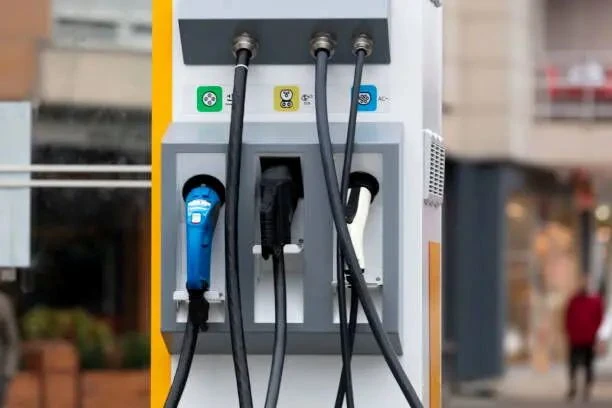
Why EV Charging Matters for Hotels Today
As electric vehicles (EVs) become mainstream, hotels, resorts, and other lodging providers are rethinking their amenities. EV charging is no longer a niche offering—it’s a must-have feature for attracting and retaining guests.
Installing smart EV chargers on your property solves a common traveler pain point while signaling a commitment to sustainability, innovation, and modern hospitality standards. By integrating EV infrastructure, hotels gain a competitive edge, enhance brand reputation, and support a cleaner, more connected future.
The Shift in Travel Behavior: Why Destination Charging Matters
Beyond Home Charging
While roughly 80% of EV charging occurs at home, travelers need reliable charging options on the road. Destination charging—charging at the driver’s final stop—is critical for hotels, resorts, and conference centers. Unlike highway fast chargers, destination charging allows guests to recharge overnight or during long visits, providing a relaxed, convenient experience.
Optimal Charging Types for Hotels
- Level 2 Chargers (240V): Ideal for most hotels, delivering 4–8 hours for a full charge—perfect for overnight guests or event attendees.
- DC Fast Chargers (Level 3): Faster but more expensive, suited for high-traffic or luxury resorts that want to accommodate a wider range of guests.
Key Benefits of Installing EV Charging Stations
1. Attract High-Spending, Tech-Savvy Guests
EV drivers tend to be environmentally conscious and more affluent. Offering charging options appeals to this demographic, increases loyalty, and encourages repeat visits.
2. Boost Occupancy and Online Visibility
Travel apps and EV charging networks—such as PlugShare, ChargeHub, and Tesla’s navigation system—highlight hotels with EV chargers. Properties offering charging are more likely to appear in search results, influencing booking decisions.
3. Generate New Revenue Streams
Charging can be monetized through:
- Pay-per-use: Guests pay per kWh or per session.
- Bundled with room rates: Include charging in premium packages.
- Loyalty perks: Offer free or discounted charging to program members.
- Third-party partnerships: Collaborate with network providers for installation, maintenance, and revenue sharing.
4. Support Sustainability Goals and Enhance Brand Reputation
EV chargers reduce your property’s carbon footprint and strengthen your sustainability credentials. Green amenities also help hotels achieve LEED certification and meet ESG goals—important for investors and corporate clients.
5. Take Advantage of Incentives and Grants
Many governments, utilities, and municipalities provide:
- Tax credits and rebates
- Grants for equipment and installation
- Public-private partnership programs
These incentives can offset up to 80% of upfront costs, making installation more financially feasible.
Operational Considerations for Hotels
1. Conduct a Site Assessment
Evaluate:
- Electrical capacity and panel limits
- Parking layout and accessibility
- Traffic flow and guest convenience
- ADA compliance
- Potential integration with solar or renewable energy
2. Choose the Right Equipment
- Level 2 chargers: Best for overnight or long stays
- DC fast chargers: Suitable for quick turnarounds or high-volume traffic
- Smart chargers: Offer load balancing, remote monitoring, and analytics
- Some chargers allow guests to reserve spots via apps, enhancing convenience.
3. Enhance Guest Experience and Branding
- Branded chargers and signage reinforce your property identity
- Real-time availability via hotel apps or displays
- EV-specific parking areas near entrances
- Integration with loyalty programs or rewards platforms
Hospitality Brands Leading the Way
- Marriott International: Offers both Tesla and universal Level 2 chargers globally; searchable via the Marriott Bonvoy app.
- Hilton Worldwide: Integrates EV charging into its “Travel with Purpose” 2030 sustainability strategy, partnering with ChargePoint and Tesla.
- Accor Hotels: Provides EV charging at many European properties, combining eco-luxury experiences with sustainability.
- Boutique and Independent Hotels: Use EV charging to differentiate themselves, promoting stations on websites, apps, and social media.
Challenges and Solutions
- Upfront Costs: $2,000–$10,000 per charger. Mitigated by incentives and long-term revenue.
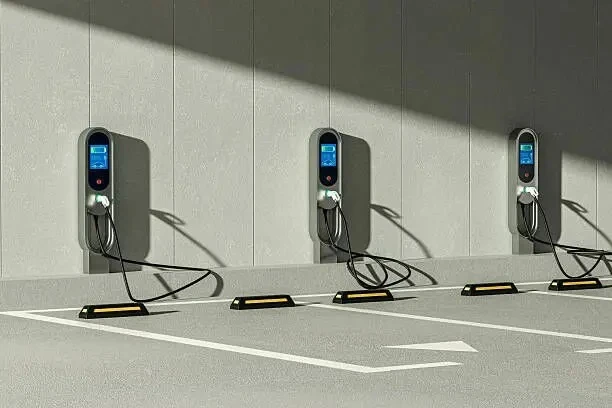
- Limited Parking: Reserve priority spots, install wall-mounted chargers, or add clear signage.
- Power Load Management: Use smart load-balancing systems to prevent overloads and avoid costly electrical upgrades.
The Future of EV Charging in Hospitality
- Standardized stations across all hotel classes
- AI-powered energy management for optimized charging
- App integration for reservations, tracking, and billing
- Brand partnerships with EV manufacturers for co-marketing
- Green tourism packages bundling charging, carbon offsets, and eco-activities
EV charging will soon become as essential as Wi-Fi or air conditioning for guest satisfaction.
Conclusion: Charge Forward with Confidence
Investing in EV charging is more than technology—it’s hospitality. It anticipates modern traveler needs, positions your property ahead of competitors, and contributes to sustainability.
Whether you operate a global hotel chain, boutique property, or family inn, now is the time to lead the charge. By offering EV charging, you’re powering vehicles—and powering guest satisfaction, environmental responsibility, and long-term growth.It's important to know about Google SEO to help your website rank higher in search results.

























Sign in to leave a comment.