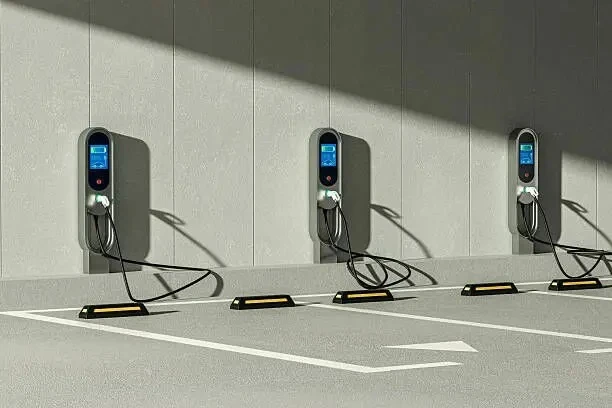

EV Charging Station Installation: A Complete Guide
The shift toward electric vehicles (EVs) is no longer a distant vision—it’s happening now. From personal cars to commercial fleets, EV adoption is accelerating rapidly. Governments are promoting cleaner transportation, automakers are launching new electric models annually, and drivers are motivated by environmental concerns, fuel savings, and lower maintenance costs.
But for this transition to succeed, robust charging infrastructure is essential. Even the most advanced EVs are limited by the availability and accessibility of charging stations.
Whether you’re a homeowner, business, or municipality, installing EV chargers requires more than plugging in equipment—it involves planning, compliance, strategic placement, and long-term operational thinking. This guide walks through every stage of installation to help you build an efficient, future-proof charging solution.
Step 1: Determine Your Power Needs
Before selecting a charger or hiring an electrician, assess your electrical system and charging requirements.
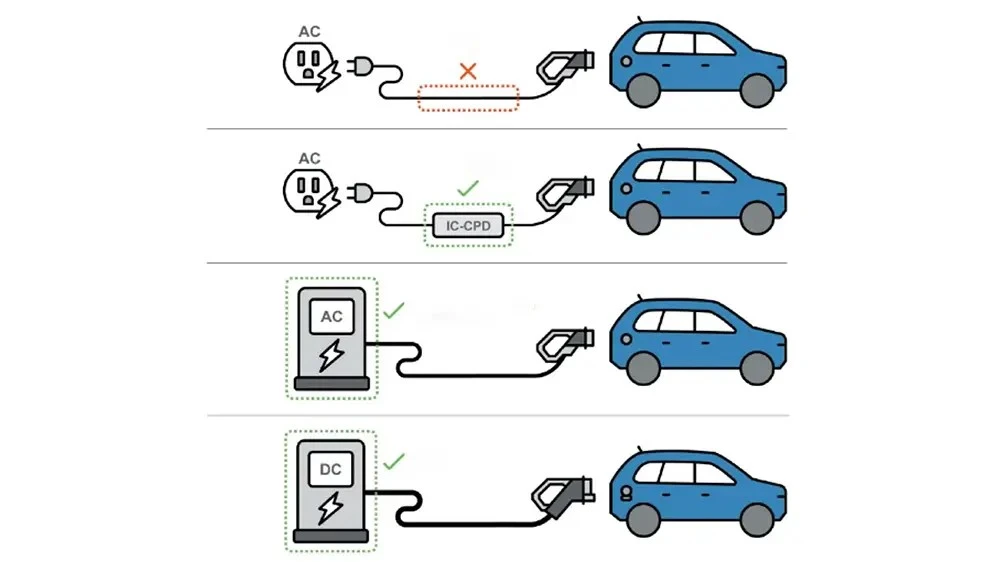
Understanding Charging Levels
Level 1 Charging
- Standard 120V household outlet.
- Adds 3–5 miles of range per hour.
- Minimal cost; ideal for overnight home use or as a backup.
Level 2 Charging
- Operates on a 240V circuit (similar to dryers).
- Adds 15–60 miles of range per hour.
- Suitable for homes, workplaces, and fleet depots; may require panel upgrades.
DC Fast Charging (Level 3)
- Uses direct current up to 480V.
- Charges up to 80% in 20–40 minutes.
- Ideal for highways, commercial hubs, and high-turnover locations; requires significant infrastructure and investment.
Electrical Assessment and Upgrades
Older properties may require:
- Larger-capacity electrical panels.
- New wiring rated for higher loads.
- Surge protection and load management systems.
Hiring a licensed electrician ensures safety, code compliance, and optimal performance.
Step 2: Choose the Right EV Charging Station
Charger selection depends on usage, user base, and budget.
Key Factors
Charging Speed
- High-traffic areas → Level 3 DC fast chargers.
- Residential/workplace → Level 2 is cost-effective and practical.
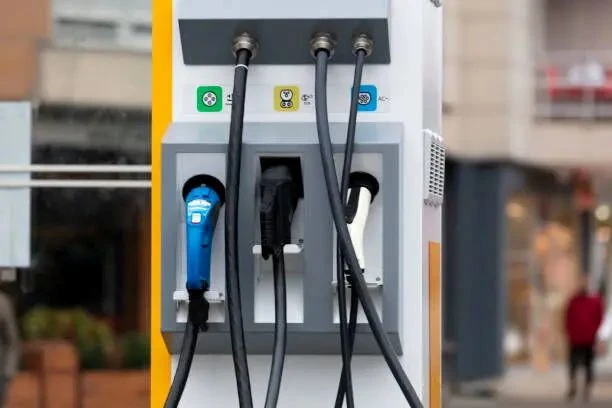
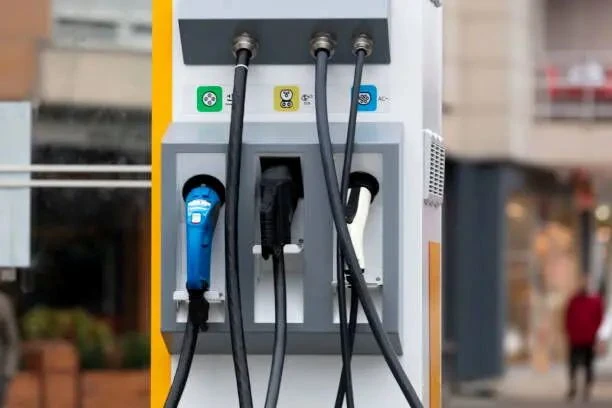
Connector Compatibility
- J1772: Standard for most non-Tesla EVs in North America.
- CHAdeMO: Used by certain Japanese EVs.
- CCS (Combined Charging System): Global standard for fast charging.
- Tesla Connector: Proprietary in the U.S.; adapters allow compatibility.
Smart Features
- Remote monitoring and diagnostics.
- Over-the-air software updates.
- Payment processing for public charging.
Durability
- Outdoor stations should be weatherproof (high IP rating) and vandal-resistant.
Cost and Incentives
- Home chargers: hundreds to a few thousand dollars.
- DC fast chargers: tens of thousands.
- Government rebates and grants may offset costs.
Step 3: Strategic Placement
Location affects accessibility, utilization, and future scalability.
Coverage Planning
- Place chargers within a 150-mile radius to accommodate typical EV ranges (~300 miles).
Fleet and Commercial Considerations
- Home charging: Suitable for delivery/service fleets.
- Central depots: Efficient for buses or logistics fleets.
Public Access Factors
- Chargers should be visible, well-marked, and near amenities.
- Ensure 24/7 accessibility for maximum use.
Step 4: Installation Process
Site Preparation
- Evaluate proximity to the electrical panel, parking spaces, and future expansion.
- Identify utility lines before digging or trenching.
Electrical Work
- Install dedicated circuits and conduit.
- Ensure wiring meets amperage and voltage requirements.
Mounting and Setup
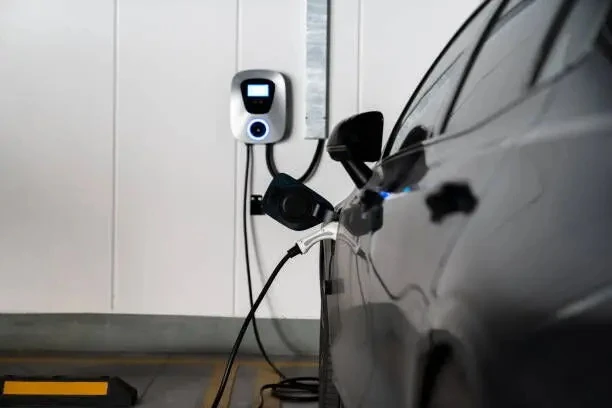
- Wall- or pedestal-mounted chargers depending on layout.
- Mounting height should ensure user convenience and ADA compliance.
Testing and Commissioning
- Verify voltage, amperage, and grounding.
- Test with a compatible EV and confirm smart features.
Step 5: Post-Installation Maintenance
Routine Inspections
- Check cables, connectors, and housings for wear.
Firmware Updates
- Maintain system performance and security.
Cleaning and User Experience
- Keep areas clean and well-lit for customer satisfaction.
Troubleshooting
- Establish protocols for outages or malfunctions.
Industry Trends and Future-Proofing
Rising Power Demands
- Plan conduit and panel capacity for higher future power needs.
Renewable Integration
- Solar-powered charging and battery storage reduce costs and environmental impact.
Bidirectional Charging (V2G)
- EVs can feed power back to the grid, creating new revenue streams.
Advanced Payment Options
- Contactless, app-based, and subscription models enhance usability and profitability.
Conclusion
Installing an EV charging station is more than an electrical project—it’s an investment in the future of transportation.
- Homeowners: Gain daily convenience and future-proof your property.
- Businesses: Attract customers, support employees, and showcase sustainability.
- Cities: Contribute to cleaner air, climate goals, and efficient mobility.
By planning power needs, selecting the right equipment, strategically placing chargers, and considering future trends, you can create a reliable, scalable, and sustainable EV charging network. The sooner we build it, the sooner we can power a cleaner, smarter, and more connected world.It's important to know about Google SEO to help your website rank higher in search results.


























Sign in to leave a comment.