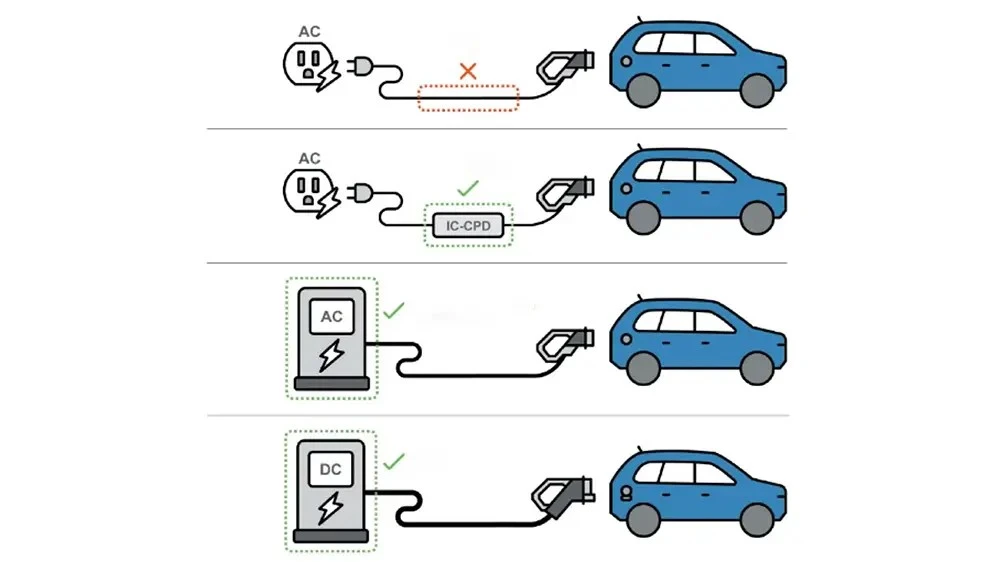

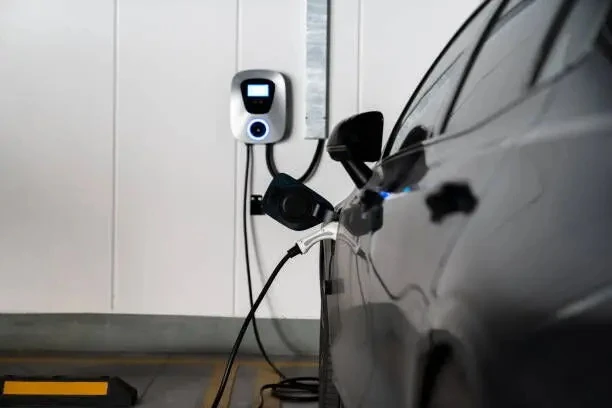
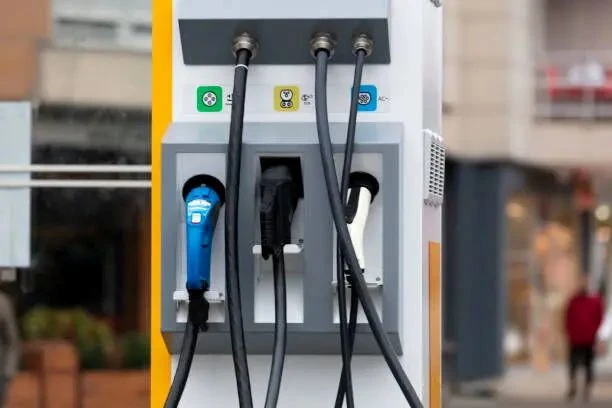
The evolution of electric vehicle (EV) charging technology has placed increasing emphasis on safety and reliability. With the rapid growth of the EV market, the expansion of charging infrastructure must go hand-in-hand with robust protection features to safeguard both the equipment and users. In this context, protection features serve as the backbone of a safe and secure charging process, ensuring that external risks like power fluctuations, temperature changes, or environmental conditions do not interfere with the operation.
The Role of Protection Features in EV Charging Systems
The protection features embedded in EV chargers serve multiple purposes: safeguarding the equipment, maintaining stable operation under various conditions, and providing users with peace of mind. These systems address a range of potential risks such as electrical faults, environmental hazards, or user errors, and are indispensable in the modern charging landscape.
Key Protection Features Explained
- Overvoltage Protection
- Protects against voltage spikes that could potentially damage the charging equipment and the vehicle's internal circuits. This feature immediately interrupts the charging process if the input voltage exceeds the safe threshold.
- Undervoltage Protection
- Ensures that the charging process is halted when the voltage drops below a preset level, preventing malfunction or damage to the charger or vehicle. This is particularly important for unstable power grids.
- Leakage Protection
- Detects any leakage current that could pose an electrocution hazard to the user. If leakage is detected, the charger automatically cuts off power to mitigate this risk.
- Lightning Protection
- Shields the EV charger from potential lightning strikes that could cause power surges. By using surge protectors, the charger remains operational even in stormy weather.
- Ground Protection
- Ensures that all metal components of the charger are properly grounded. This protection prevents electrical shock risks should any internal parts become live due to failure.
- Overcurrent Protection
- Monitors the current flowing through the system, cutting off the charging process if excessive current is detected, thereby preventing overload and potential fire hazards.
- Overtemperature Protection
- Protects the charger by halting the charging process if the temperature exceeds safe limits, preventing heat-induced damage or fires.
- CP Signal Exception Protection
- Ensures the integrity of the CP (Control Pilot) signal, which coordinates communication between the charger and vehicle. If communication issues are detected, the charger will stop to avoid disruption in the charging process.
- Neutral Line and Live Line Reverse Protection
- Checks the connection between the live and neutral lines. If a reverse connection is detected, it cuts off the charging to prevent equipment damage or safety risks from incorrect wiring.
- Contactor Adhesion Protection
- Detects issues like contactor sticking, which could prevent the charger from properly disconnecting. This feature ensures safe operation by preventing the charger from continuing to charge when malfunctioning.
Conclusion: Advancing EV Charging Technology
The introduction of these protection functions in EV chargers is essential for ensuring the long-term stability and safety of electric vehicle charging infrastructure. As EV technology evolves and the demand for charging stations increases, these protective mechanisms will continue to improve, driving the future of secure, reliable, and efficient EV charging.
By enhancing these protection systems, the industry can offer users a safer charging experience, supporting the widespread adoption of electric vehicles. With continuous innovation and optimization, these protection measures will adapt to emerging challenges, ensuring the safe integration of electric vehicles into the global transportation ecosystem.Know more about Google SEO Directory

























Sign in to leave a comment.