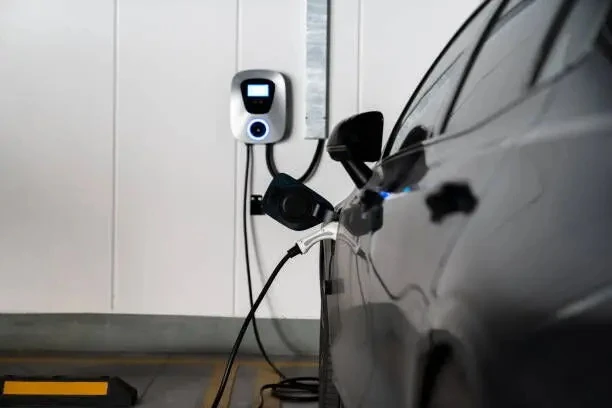

Level 2 EV Chargers: The Backbone of Electric Vehicle Charging
Introduction
As electric vehicles (EVs) move from niche to mainstream, the demand for efficient, reliable, and convenient charging solutions has never been greater. While Level 1 chargers—using standard 120-volt wall outlets—introduced early adopters to home charging, their slow speeds make them impractical for today’s larger batteries and busy lifestyles.
Enter Level 2 chargers, the workhorse of the EV charging ecosystem. Operating on a 240-volt circuit—the same used for ovens, dryers, and other high-powered appliances—Level 2 chargers provide faster, safer, and more practical charging for vehicles at home, work, and public locations like shopping centers and parking garages.
For most EV owners in North America, Level 2 has become the standard. These chargers enable overnight full charges, efficient top-ups during the day, and reduced dependency on public charging infrastructure. But how long does a Level 2 charger take to fully charge an EV? What factors affect charging speed? And why is Level 2 often the preferred option over slower Level 1 or costly DC fast charging? This article answers these questions in detail.
How Long Does a Level 2 Charger Take?
Charging time primarily depends on battery capacity and the vehicle’s maximum charging rate. On average, a Level 2 charger can take 5–13 hours to fully charge an EV from empty.
Variables influencing charging time include:
- Battery size: Larger batteries take longer to fill.
- State of charge (SoC): Charging is faster between 20%–80% and slows beyond 80% to protect the battery.
- On-board charger (OBC) limits: Each EV can only accept power up to its OBC’s rating.
- Charger and circuit output: Level 2 chargers range from 3.3 kW to 19.2 kW, depending on installation.
- External factors: Temperature and simultaneous charging of multiple vehicles can reduce speed.
Key Factors Influencing Charging Speed
- Battery Capacity (kWh)
- Battery size is the primary determinant. For example:
- A 60 kWh EV may charge fully in 6–8 hours.
- A 100 kWh SUV or truck may require 10–13 hours.
- Battery State of Charge (SoC)
- Partial charges are faster than full recharges. Charging slows after 80% to protect battery longevity, meaning the final 20% can take almost as long as the first 60%.
- On-Board Charger Limits
- The OBC converts AC from the charger to DC for the battery. If the vehicle’s OBC is capped at 7.7 kW, it won’t accept more, even if the charger can deliver 11.5 kW. This ensures safe charging and can help future-proof your setup for larger batteries.
- Charger Power and Circuit Capacity
- Residential Level 2 chargers typically deliver 7.2–11.5 kW on dedicated 240-volt circuits rated 30–60 amps. Professional installation is essential for safety and compliance.
- External Conditions
- Cold temperatures reduce battery efficiency, slowing charging. Sharing a household circuit across multiple EVs can also impact performance.
Benefits of Level 2 Charging
- Faster Charging: Reduces full-charge times from 24+ hours (Level 1) to 5–13 hours.
- Convenience: Home or workplace Level 2 chargers allow overnight or all-day top-ups without relying on public stations.
- Cost Efficiency: More affordable than frequent DC fast charging, both in installation and energy costs.
- Battery Health: Moderate charging rates minimize long-term degradation compared to DC fast chargers.
- Widespread Compatibility: Supported by virtually all EVs and universal connector standards (e.g., J1772 in North America).
Where Level 2 Chargers Are Used
- Home: Overnight charging for maximum convenience.
- Workplace: All-day top-ups while parked at work.
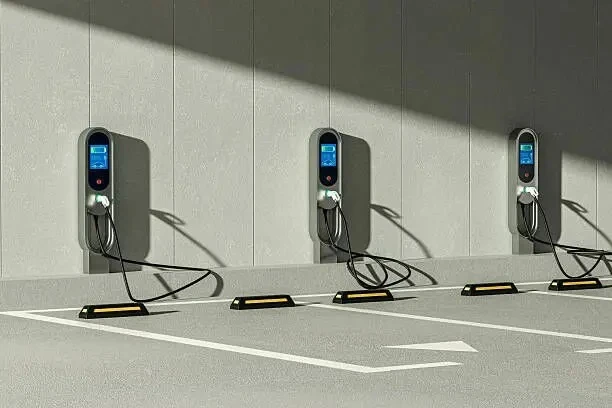
- Public Spaces: Shopping centers, hotels, garages, and transit hubs provide accessible charging during long stops.
This versatility makes Level 2 chargers the backbone of EV infrastructure.
Installation Considerations
Installing a Level 2 charger requires:
- A dedicated 240-volt circuit.
- Sufficient electrical panel capacity.
- Professional installation by a licensed electrician.
Modern chargers often feature smart connectivity (Wi-Fi/Bluetooth) for:
- Scheduling off-peak charging for lower electricity rates.
- Monitoring real-time energy usage.
- Integration with solar panels or home energy systems.
These features enhance convenience and support sustainable energy management.
The Role of Level 2 Charging in EV Adoption
While DC fast charging is essential for long-distance travel, the majority of charging occurs at home or work. Level 2 chargers provide the optimal balance of speed, cost, and compatibility, reducing range anxiety, lowering costs, and supporting daily EV use.
They are critical to ensuring a smooth transition from gasoline vehicles to electric mobility, powering both current EV owners and the next generation of drivers.
Conclusion
Level 2 chargers are more than just an upgrade from basic Level 1 outlets—they are the workhorses of the EV world. They deliver the speed, safety, and convenience necessary for electric vehicles to replace gasoline cars effectively.
Understanding charging times, influencing factors, and benefits allows EV owners to make informed decisions, ensuring a seamless driving experience while supporting the broader shift to clean transportation.
As battery sizes increase and EV adoption accelerates, Level 2 charging will remain a cornerstone of the charging ecosystem, powering the road to a greener, more sustainable future.It's important to know about Google SEO to help your website rank higher in search results.

























Sign in to leave a comment.