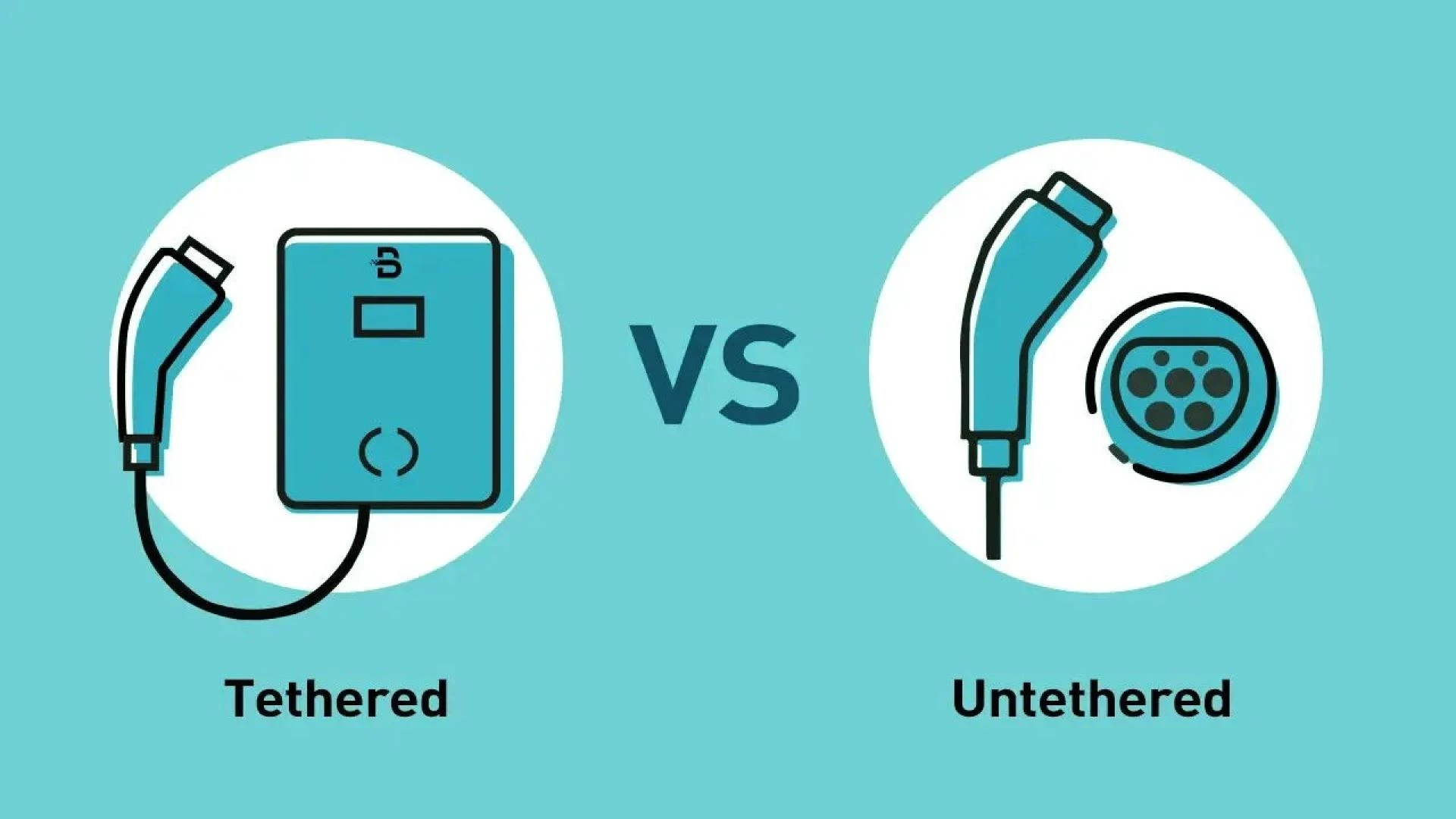

As electric vehicles (EVs) become more mainstream, choosing the right EV charger is an essential decision for enhancing the charging experience. Among the many options, tethered and untethered China EV Chargers stand out due to their unique features. Understanding the differences between these two types of chargers can help you make an informed decision based on your preferences, vehicle requirements, and charging environment.
Tethered EV Chargers
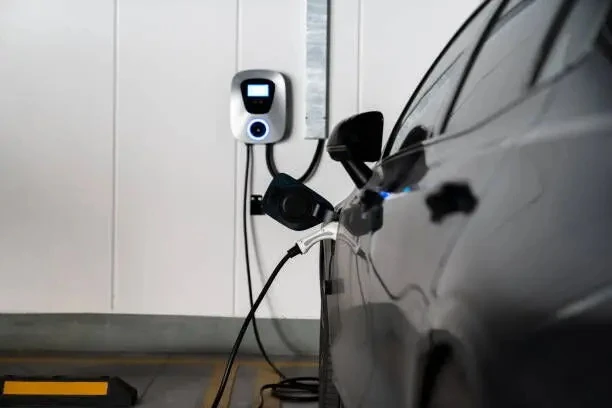
Tethered chargers come with a fixed cable, offering a simple plug-and-play charging solution. These chargers are typically mounted on walls or posts, connected directly to the electrical system, and ready to use. Once installed, you only need to plug the cable into your vehicle to start charging.
- Convenience: With the cable already connected, there's no need to handle or store it separately. This makes tethered chargers ideal for users who prioritize ease of use and speed.
- Cable Length: Tethered chargers usually come with cables between 5 and 8 meters, making them suitable for most home parking setups. However, this fixed length may not work well for all spaces, especially in commercial settings or larger vehicles.
- Compatibility: Tethered chargers may not be compatible with all EVs due to different connector types. For example, Type 1 connectors are common in the U.S., while Type 2 connectors dominate in Europe. Teslas use a unique connector, but they can often be adapted to work with other standards.
- Anti-Theft: Since the cable is attached, tethered chargers are less likely to be stolen compared to untethered models, which can be a concern in public spaces.
Untethered EV Chargers
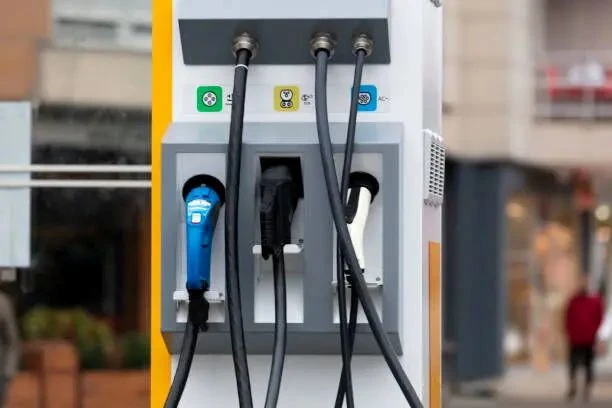
Untethered chargers, on the other hand, do not come with a permanently attached cable. Users can choose and connect the appropriate cable based on their needs, offering greater flexibility.
- Flexibility and Versatility: Untethered chargers allow users to select different cable lengths depending on parking distances or location. This makes them suitable for multiple EVs or various charging scenarios, whether at home, office, or public stations.
- Portability: Since the cable isn't fixed, untethered chargers are portable and can be used in different places. This is ideal for those who want a charging solution that can move with them.
- Manual Setup: One downside of untethered chargers is that users need to manually connect the cable each time they charge, which can be less convenient than simply plugging in a tethered charger.
- Upgradability: Untethered chargers can accommodate different cable types and standards, allowing users to replace cables as needed to stay up-to-date with the latest charging technologies.
- Cable Management: Users are responsible for storing and maintaining the cables, which can lead to additional management and costs.
Key Considerations When Choosing a Charger
- Usage Needs: Do you prefer a no-fuss, ready-to-go setup, or do you need flexibility and adaptability? Tethered chargers are convenient for home use, while untethered chargers offer flexibility for a variety of vehicles and charging locations.
- Cost: Untethered chargers generally have a lower initial cost. However, if you need to purchase extra cables, the overall cost can increase. Tethered chargers, while slightly more expensive, come with everything you need in one unit.
- Security: Tethered chargers are typically more secure, as the fixed cable makes theft less likely. With untethered chargers, you'll need to take extra precautions to store cables safely.
- Future-Proofing: Untethered chargers are more adaptable to future developments in charging standards. By simply changing the cables, you can keep your system up-to-date without replacing the entire charger.
Conclusion
Choosing between a tethered and untethered charger depends on your specific needs, whether it's the convenience and security of a tethered unit or the flexibility and portability of an untethered one. Consider your charging environment, how you use your EV, and whether you prefer a more adaptable solution that can evolve with the industry's changing standards. By understanding the benefits and limitations of each option, you can ensure your EV charging experience is both seamless and efficient.Know more about Google SEO Directory


























Sign in to leave a comment.