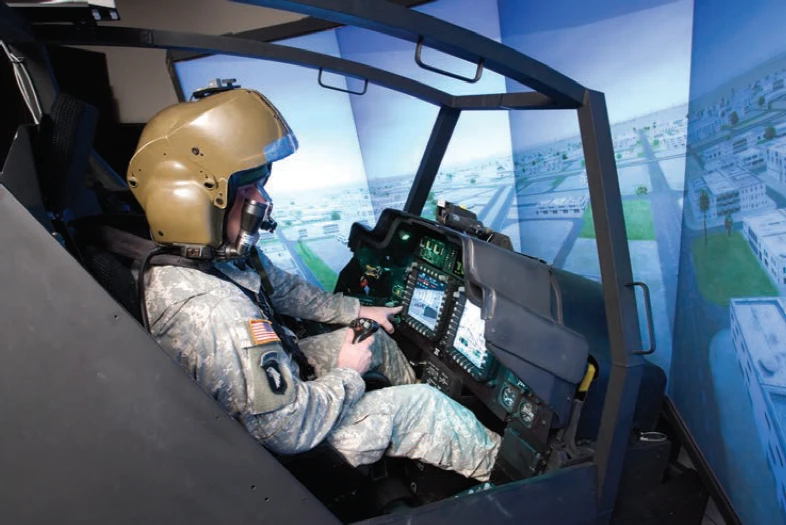

For anyone interested in becoming a pilot, pilot training flight simulator sessions are one of the most effective learning tools available. Before getting into an actual aircraft, aspiring pilots can experience the thrill of flight in a safe, regulated, and realistic setting. Flight simulators have become an integral component of aviation education, assisting students in developing confidence, honing their abilities, and preparing for real-world situations.
What Is Flight Simulator Training?
Flight simulator training employs powerful computer-based technologies that mimic the environment of a real cockpit. Students can simulate a variety of flight scenarios from takeoff to landing without ever leaving the ground. The simulator simulates weather, aircraft performance, and even emergency scenarios, allowing students to practice handling them safely.
This form of training is not only inexpensive but also useful for learning the fundamentals of flying before committing to actual flight hours.
Benefits of Flight Simulator Training
1. Safe Learning Environment
One of the most significant advantages is safety. Mistakes done in a simulator do not pose real-world risks. Students can learn how to deal with emergencies, including engine breakdowns, turbulence, and unexpected weather changes, without jeopardizing themselves or others.
2. Cost-Effective Training
Flying an airplane is costly due to fuel, maintenance, and operating expenses. Simulators, on the other hand, enable students to practice for longer periods of time at a lower cost. This reduces the overall cost of pilot training while maintaining high-quality learning.
3. Realistic Experience
Modern simulators feature high-end visuals and motion technologies, resulting in a realistic cockpit environment. Aspiring pilots can gain experience in a variety of airports, terrains, and airspaces around the world, increasing their adaptability and confidence.
4. Repetition and Skill Development
In flight, repetition is essential to mastery. Flight simulators allow students to frequently practice important maneuvers like takeoffs, landings, and navigation. This promotes muscle memory and the development of precise control abilities.
5. Handling Emergencies with Confidence
One of the most essential benefits of simulator training is the opportunity to practice addressing emergencies. Students learn how to remain cool and follow the right procedures in the face of unexpected weather changes, system failures, and communication issues. This training leads to safer, more skilled pilots in the actual world.
Conclusion
In today’s competitive aviation industry, flight simulator training is more than just a tool — it’s a necessity. It offers aspiring pilots a safe, affordable, and realistic way to practice and perfect their flying skills before entering real aircraft cockpits. Whether it’s learning the basics, handling emergencies, or building confidence, simulators play a crucial role in shaping competent and responsible pilots.
If you’re planning to pursue a commercial pilot course in India, flight simulator training will be one of the most important parts of your journey. It ensures that when you finally take off, you do so with the confidence, knowledge, and skill of a well-prepared pilot.



























Sign in to leave a comment.