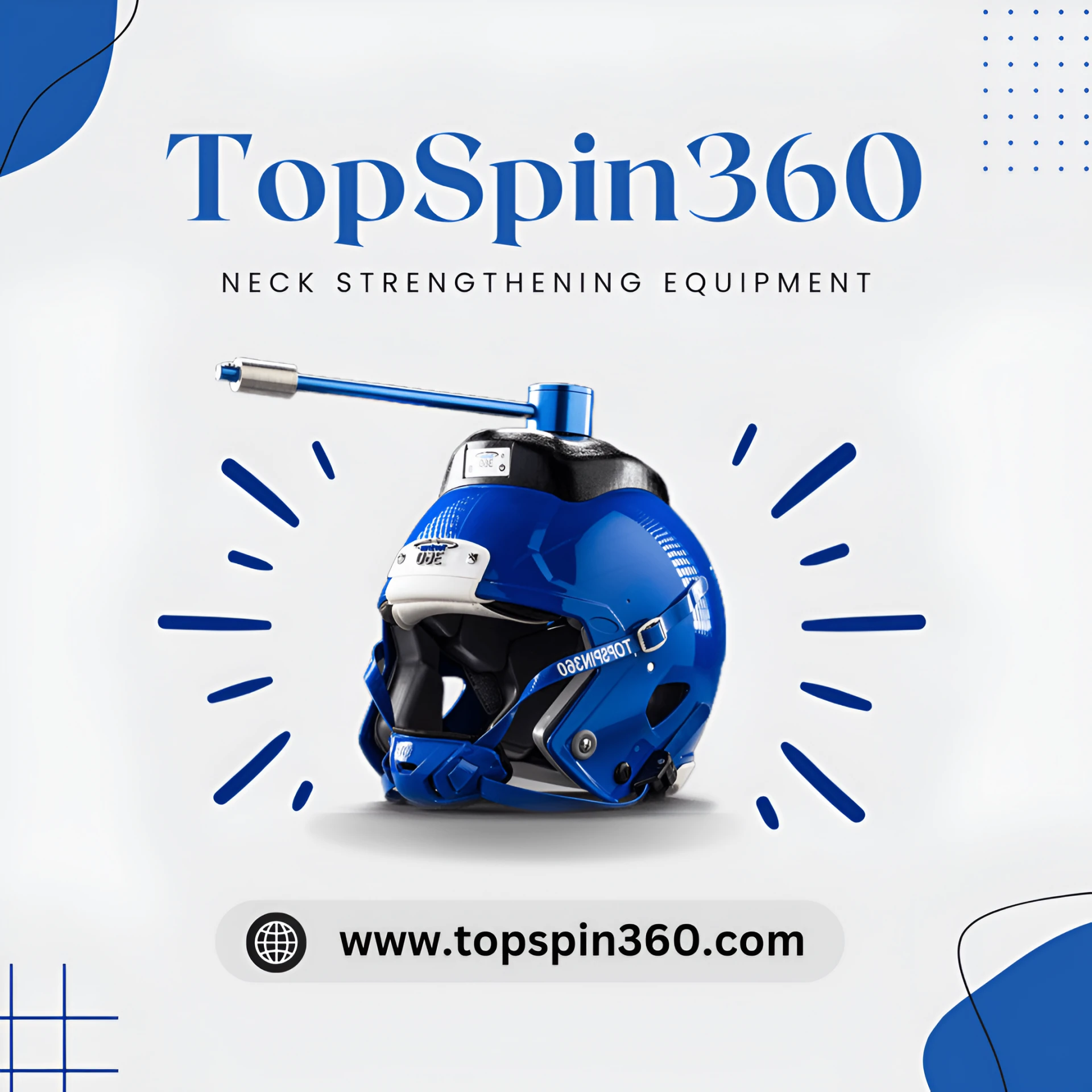

Athletes in high-impact sports face constant risks of head and neck injuries. While protective gear like helmets and mouthguards play a role in safety, one of the most effective yet often overlooked methods of injury prevention is neck strength training. A strong neck helps absorb impact, stabilize the head, and reduce the risk of concussions, whiplash, and other serious injuries.
By incorporating neck strength equipment into their training routines, athletes can enhance performance while significantly lowering their chances of long-term injuries. Whether you're in football, hockey, combat sports, or even cycling, strengthening the neck should be a priority.
The Role of Neck Strength in Injury Prevention
The neck acts as a crucial stabilizer, connecting the head to the rest of the body. In contact sports or activities with sudden movements, an untrained neck is vulnerable to excessive motion, increasing the likelihood of injury. Strengthening the neck muscles improves the body's ability to control head movement, reducing the force transmitted to the brain and spine.
Here’s why neck strength is critical for preventing injuries:
1. Reduces Concussion Risk
Concussions occur when sudden forces cause the brain to shift rapidly inside the skull. A weak neck allows the head to move excessively during impact, amplifying these forces. Studies have shown that for every pound of increased neck strength, the risk of concussion decreases by 5%.
By incorporating neck resistance training, athletes can develop stronger muscles that limit head acceleration, reducing concussion risks in high-impact sports like football, rugby, and wrestling.
2. Improves Head and Spine Stability
A strong neck supports proper posture and alignment, which is essential for injury prevention. In sports requiring frequent directional changes, such as soccer, basketball, or MMA, a well-conditioned neck helps keep the spine and upper body in balance, preventing unnecessary strain on surrounding muscles.
Athletes who engage in neck strength training often experience improved control over their head movements, reducing the likelihood of awkward landings or misalignments that could lead to chronic pain or spinal injuries.
3. Prevents Whiplash Injuries
Whiplash occurs when the head is suddenly jerked backward and forward, stretching the soft tissues of the neck beyond their normal range. This is common in contact sports, motorsports, and even cycling accidents. Strengthening the neck muscles enhances their ability to absorb shocks, reducing the risk of whiplash-related injuries and improving recovery time if an impact does occur.
4. Enhances Athletic Performance
Beyond injury prevention, neck strength equipment helps athletes improve their overall performance. A stronger neck contributes to better posture, endurance, and resistance against fatigue—essential qualities for peak athleticism. Martial artists, for example, benefit from a strong neck by maintaining better control over their head movements in grappling and striking scenarios.
Best Neck Strength Equipment for Athletes
To effectively build neck strength, athletes should use specialized neck resistance training tools designed for safe and targeted muscle engagement. Some of the most effective neck strength equipment includes:
1. Neck Resistance Bands
These provide progressive resistance, allowing athletes to perform multi-directional exercises. Resistance bands are excellent for beginners and experienced athletes alike, as they help strengthen the neck without excessive strain.
2. Neck Harness
A neck harness allows for weighted resistance training, helping athletes gradually increase their strength. This tool is especially popular among combat sports athletes, football players, and wrestlers looking to develop stronger neck muscles.
3. Isometric Neck Training Devices
These devices provide steady resistance without requiring excessive movement, making them ideal for improving endurance and stability. Isometric training is particularly beneficial for athletes who need to maintain head control in high-contact situations.
4. Concussion Prevention Helmet
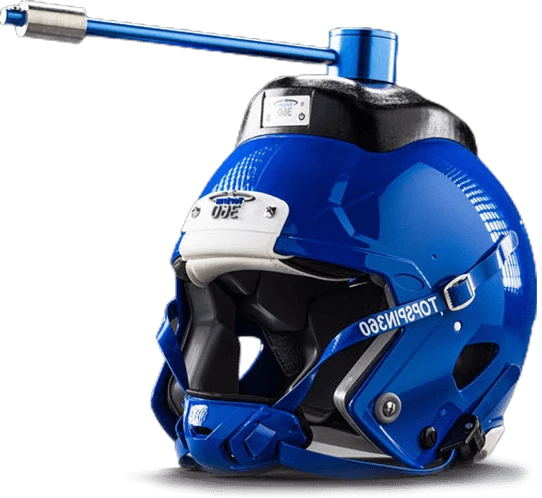
Some concussion prevention helmet are designed with built-in resistance to train neck muscles while simulating real-game impact scenarios. These helmets help improve muscle response and head stability, reducing the risk of concussions in contact sports.
5. Weighted Neck Training Equipment
Weighted tools specifically designed for neck resistance training help athletes build strength progressively. By adding controlled resistance, they can safely improve their endurance and resistance to sudden impacts.
How to Incorporate Neck Strength Training Into Your Routine
To maximize the benefits of neck strength training, athletes should follow these guidelines:
✅ Train 2–3 times per week for consistent strength improvements.
✅ Perform multi-directional exercises (front, back, and side movements) to target all neck muscles.
✅ Use controlled resistance to prevent strain or injury.
✅ Incorporate isometric holds to build endurance and stability.
✅ Start with light resistance and gradually increase as strength improves.
For best results, athletes should integrate neck resistance training into their existing workout routines. Whether it’s before practice, after strength sessions, or on rest days, dedicating time to neck training can make a significant difference in injury prevention and overall performance.
Final Thoughts
For athletes in contact and high-impact sports, investing in neck strength equipment is a game-changer for injury prevention. A strong neck helps reduce concussion risks, improves head stability, and prevents whiplash injuries, making it an essential component of athletic training.
By incorporating neck resistance training and using tools like concussion prevention helmets and neck strength equipment, athletes can improve their durability, performance, and long-term health.
No matter what sport you play, strengthening your neck should be a priority. Start training today and take control of your injury prevention!



























Sign in to leave a comment.