
In an era where safety regulations are paramount, the importance of a fire protection survey cannot be overstated. Whether it’s a towering skyscraper, a cozy residential home, or a sprawling industrial complex, ensuring that a building is adequately protected against fire hazards is crucial for the safety of its occupants and the preservation of property. Understanding the intricacies of fire safety measures, and conducting a thorough survey, can make a significant difference in minimizing risks and ensuring compliance with local regulations.
Understanding Fire Hazards in Buildings
Buildings, regardless of their type or purpose, are susceptible to various fire hazards. These hazards can arise from numerous sources, including electrical malfunctions, flammable materials, and human error. For instance, in commercial settings, improper storage of chemicals or neglecting to maintain electrical systems can lead to catastrophic incidents. In residential buildings, common causes such as faulty wiring or unattended cooking can ignite fires that spread quickly, endangering lives and property.
Conducting a fire protection survey allows property owners and managers to identify and assess these hazards proactively. By pinpointing vulnerabilities, they can implement appropriate measures to mitigate risks. The survey serves as a comprehensive evaluation of fire safety systems, including alarms, sprinklers, and emergency exits. This thorough examination not only ensures compliance with legal requirements but also fosters a culture of safety within the building.
Key Components of a Fire Protection Survey
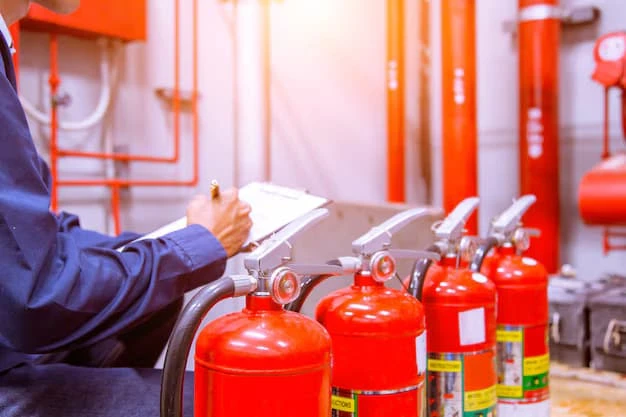
A well-executed fire protection survey encompasses several critical components that must be meticulously evaluated. Firstly, the inspection of fire detection and alarm systems is vital. These systems should be routinely tested and maintained to ensure they function effectively in the event of a fire. Inspectors should assess whether alarms are audible throughout the building and if they are interconnected, providing early warnings to all occupants.
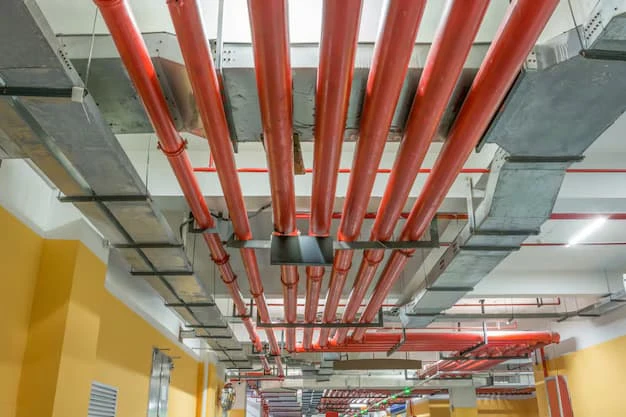
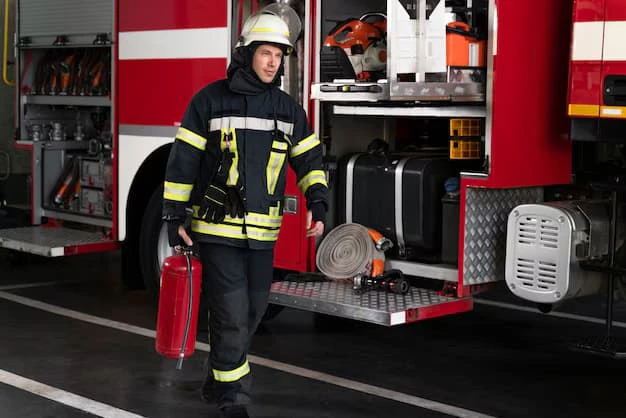
Secondly, the survey should include a detailed examination of fire suppression systems, such as sprinklers and fire extinguishers. Proper placement and maintenance of these systems are crucial for minimizing fire damage. Inspectors must verify that sprinklers are not obstructed and that fire extinguishers are easily accessible and have valid inspection tags.
Another essential aspect of the survey is the evaluation of emergency exits and evacuation routes. Clear and well-marked paths are critical for ensuring that occupants can safely exit the building during an emergency. The survey should also assess the availability of emergency lighting and signage, which are indispensable in guiding individuals toward safety, especially in low visibility situations.
The Legal and Insurance Implications
Neglecting fire safety measures can have serious legal and financial consequences. Many jurisdictions require buildings to comply with specific fire codes and regulations. Failing to conduct a fire protection survey may not only expose property owners to legal liabilities but could also jeopardize the safety of occupants. In the unfortunate event of a fire, failure to meet safety standards can result in severe penalties and lawsuits.
Furthermore, insurance companies often require proof of adequate fire safety measures before issuing policies. A comprehensive fire protection survey provides documentation that can help secure coverage and potentially lower premiums. Insurers are more likely to offer favorable terms to properties that demonstrate a commitment to safety through regular inspections and maintenance.
Enhancing Safety Culture Through Regular Surveys
Incorporating regular fire protection surveys into the building management routine enhances the overall safety culture within an organization. It emphasizes the importance of proactive measures and encourages occupants to be vigilant about fire hazards. When employees and residents are aware of safety protocols, they are more likely to respond appropriately in the event of an emergency.
Training sessions can accompany the survey process, providing occupants with essential knowledge about fire safety. These sessions can cover topics such as the proper use of fire extinguishers, evacuation procedures, and the significance of reporting potential hazards. By fostering a culture of safety awareness, organizations can significantly reduce the risk of fire incidents and improve the preparedness of occupants.
Technological Advances in Fire Protection
The field of fire protection has evolved significantly with the advent of advanced technologies. Modern fire detection systems now incorporate sophisticated sensors that can detect smoke and heat more accurately than ever before. Integration with smart building systems allows for real-time monitoring and alerts, enabling quicker response times during emergencies.
Additionally, the use of drones and thermal imaging cameras in conducting fire protection surveys is gaining traction. These technologies streamline the inspection process, allowing for a more comprehensive evaluation of hard-to-reach areas. By leveraging these innovations, fire safety professionals can provide an even more thorough assessment of a building's fire protection measures.
Conclusion
In conclusion, the necessity of a fire protection survey in every building cannot be underestimated. As safety regulations continue to evolve, building owners and managers must prioritize fire safety to protect lives and property. Through comprehensive evaluations of fire hazards, detection and suppression systems, and evacuation routes, a survey serves as a vital tool for ensuring compliance and fostering a culture of safety.
By embracing the importance of fire protection surveys, organizations can not only mitigate risks but also enhance their reputation as responsible stewards of safety. As a leading provider in the industry, TBL Fire Protection is committed to helping businesses and property owners navigate the complexities of fire safety, ensuring that every building is equipped to manage fire hazards effectively.


























Sign in to leave a comment.