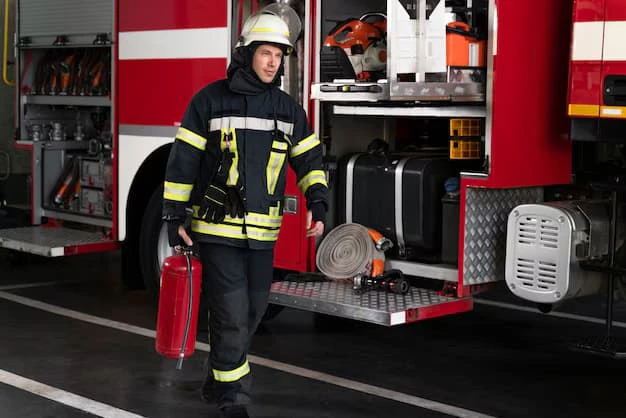

Fire safety has become one of the most critical priorities in modern construction, building management, and business operations. As regulations grow stricter and public awareness increases, the role of a fire protection consultant has become indispensable. These professionals bring specialist knowledge to every stage of a building’s lifecycle, from design and construction to occupancy and ongoing maintenance. Their primary responsibility is to ensure that buildings are not only compliant with legal requirements but also genuinely safe for occupants, visitors, and emergency responders.
A fire protection consultant works at the intersection of engineering, law, construction, and risk management. They help architects, developers, contractors, and building owners navigate complex fire safety standards while designing practical, cost effective, and reliable protection strategies. By being involved from the earliest stages of a project, they can prevent costly mistakes, reduce risk, and build safety into the very fabric of a structure.
This article explores the vital role of a fire protection consultant, the services they provide, and why their involvement from day one is essential for compliance, safety, and long term success.
Understanding the Role of a Fire Protection Consultant
Who a Fire Protection Consultant Is
A fire protection consultant is a specialist professional who advises on all aspects of fire safety in buildings and infrastructure. They possess in depth knowledge of fire behavior, building materials, evacuation strategies, and regulatory frameworks. Their expertise allows them to assess risks, design protection systems, and ensure that safety measures align with both legal requirements and real world conditions.
Unlike general construction professionals, a fire protection consultant focuses specifically on how fire interacts with structures, materials, and human behavior. They analyze how flames spread, how smoke moves through spaces, and how occupants are likely to react in an emergency. This specialized perspective makes them a crucial partner in any building project.
Why Their Expertise Is Necessary
Fire safety is far more complex than simply installing alarms and extinguishers. Modern buildings often include advanced materials, open plan layouts, glass facades, hidden cavities, and intricate service networks. These features can create unexpected fire risks that require expert analysis.
A fire protection consultant ensures that all these factors are considered holistically. They help design buildings that are not only aesthetically pleasing and functional but also resilient in the face of fire. Their involvement reduces the likelihood of non compliance, legal disputes, and dangerous safety failures.
Involvement from the Design Stage
Integrating Fire Safety into Building Design
One of the most important reasons to engage a fire protection consultant from day one is their ability to influence building design. At the planning stage, they work closely with architects and engineers to integrate fire safety measures into the overall structure rather than treating them as an afterthought.
This may involve advising on the placement of fire compartments, escape routes, stairwells, and access points for emergency services. By embedding safety into the blueprint, potential problems can be avoided before construction begins.
Developing a Fire Strategy
A key responsibility of a fire protection consultant is to develop a comprehensive fire strategy for the building. This document outlines how the structure will prevent, detect, contain, and manage fire risks.
The strategy considers factors such as building height, occupancy type, evacuation procedures, structural fire resistance, and the integration of active systems like sprinklers and alarms. A well designed fire strategy serves as a roadmap for compliance throughout the project.
Ensuring Compliance with Regulations
Navigating Complex Fire Safety Laws
Fire safety legislation is detailed, technical, and frequently updated. A fire protection consultant stays informed about current regulations and ensures that building designs meet all legal requirements.
They interpret codes and standards, explain them to project teams, and translate legal language into practical design solutions. This reduces the risk of costly redesigns or enforcement action later in the process.
Liaising with Authorities
During planning and construction, regulatory bodies may require evidence that a building meets fire safety standards. A fire protection consultant can prepare reports, attend meetings, and represent the project in discussions with fire authorities.
Their professional credibility helps build trust with regulators and smooths the approval process, reducing delays and uncertainties.
Risk Assessment and Hazard Identification
Identifying Potential Fire Risks
A core function of a fire protection consultant is to conduct detailed fire risk assessments. These evaluations identify potential hazards such as electrical faults, flammable materials, crowded spaces, or poorly designed escape routes.
By spotting risks early, they can recommend design changes or additional safety measures before problems arise. This proactive approach is far more effective than reacting to issues after construction is complete.
Assessing Occupant Vulnerability
Different buildings serve different populations, and not all occupants can evacuate at the same speed. A fire protection consultant considers the needs of vulnerable individuals such as children, elderly residents, disabled people, or hospital patients.
They ensure that evacuation plans are inclusive and that safety measures are tailored to the building’s specific use.
Designing Fire Protection Systems
Passive Fire Protection
Passive fire protection refers to built in safety measures that do not rely on mechanical systems. A fire protection consultant helps design fire rated walls, floors, doors, and barriers that slow the spread of fire and smoke.
They determine where fire compartments should be located and how cavity barriers should be installed to prevent hidden fire movement. These features are critical for containing fires and protecting escape routes.
Active Fire Protection
In addition to passive measures, a fire protection consultant advises on active systems such as fire alarms, sprinklers, smoke detectors, and emergency lighting.
They assess which systems are most appropriate based on building size, occupancy, and risk level. Their recommendations ensure that detection and suppression systems work effectively alongside structural protections.
Overseeing Construction and Installation
Ensuring Correct Implementation
Even the best fire safety design can fail if poorly executed on site. A fire protection consultant often monitors construction to ensure that safety features are installed correctly and in line with the approved fire strategy.
They may inspect fire stopping around services, check the installation of fire doors, or verify the placement of cavity barriers. This oversight helps prevent errors that could compromise safety.
Resolving Practical Challenges
Construction projects frequently encounter unexpected issues such as structural changes, material shortages, or design conflicts. A fire protection consultant helps find practical solutions that maintain compliance without derailing the project.
Their ability to balance safety, cost, and feasibility makes them a valuable problem solver during construction.
Supporting Building Handover and Occupancy
Final Compliance Verification
Before a building is occupied, a fire protection consultant can conduct final inspections to confirm that all fire safety measures are in place and functioning as intended.
They may produce certification or compliance reports that demonstrate adherence to regulations, which are often required for insurance or legal purposes.
Training and Awareness
Some fire protection consultants also support staff training, helping building managers and employees understand evacuation procedures, fire marshal responsibilities, and emergency response protocols.
Well informed occupants are more likely to react calmly and effectively in an emergency, improving overall safety outcomes.
Ongoing Support and Maintenance
Regular Reviews and Inspections
Fire safety is not a one time consideration. Buildings change over time through renovations, new equipment, or increased occupancy. A fire protection consultant can provide ongoing reviews to ensure continued compliance.
They help building owners identify when updates are needed and advise on necessary improvements.
Adapting to New Regulations
As fire safety laws evolve, a fire protection consultant keeps clients informed of new requirements and helps them adapt accordingly. This proactive support reduces the risk of non compliance and legal issues.
Benefits of Hiring a Fire Protection Consultant
Reduced Legal and Financial Risk
By ensuring compliance from day one, a fire protection consultant helps protect businesses from fines, enforcement actions, and legal liability.
They also reduce the likelihood of costly retrofits or redesigns by addressing issues early in the project lifecycle.
Enhanced Safety and Peace of Mind
Perhaps the greatest benefit is improved safety for occupants. Knowing that a building has been professionally designed and assessed for fire risks provides reassurance to owners, tenants, and employees.
Improved Project Efficiency
Involving a fire protection consultant early can streamline the planning and approval process, preventing delays and misunderstandings with regulators.
Their expertise helps keep projects on schedule and within budget while maintaining high safety standards.
Fire Protection Consultants in Different Sectors
Commercial Buildings
In offices, shopping centers, and hotels, a fire protection consultant focuses on managing high occupancy levels, complex layouts, and mixed use spaces.
They ensure that escape routes are clear, alarms are effective, and compartmentation is properly designed.
Residential Developments
In apartment buildings and housing complexes, they prioritize protection between units, vertical fire spread prevention, and safe evacuation strategies for all residents.
Industrial Facilities
In factories and warehouses, they address risks related to flammable materials, heavy machinery, and hazardous processes.
Their recommendations often include specialized suppression systems and robust compartmentation.
Healthcare and Education
In hospitals, care homes, and schools, a fire protection consultant designs safety measures that account for vulnerable occupants and operational continuity.
They ensure that evacuation plans are realistic and that critical services remain protected during emergencies.
Common Misconceptions About Fire Protection Consultants
They Are Only Needed for Large Projects
While major developments certainly benefit from specialist input, even small buildings can face significant fire risks. A fire protection consultant can add value to projects of any size.
They Increase Project Costs
Although hiring a consultant involves upfront expense, their guidance often saves money by preventing mistakes, redesigns, and compliance issues.
In many cases, they help optimize safety solutions that are both effective and cost efficient.
Choosing the Right Fire Protection Consultant
Experience and Qualifications
A reputable fire protection consultant should have strong professional credentials, relevant experience, and a deep understanding of fire engineering principles.
Clear Communication Skills
They must be able to explain complex technical concepts in a way that architects, builders, and business owners can understand.
Practical Approach
The best consultants balance regulatory compliance with real world practicality, offering solutions that are workable within project constraints.
Long Term Value of Early Involvement
Engaging a fire protection consultant from the very beginning of a project ensures that safety is built into the structure rather than added later.
This approach leads to safer buildings, smoother approvals, and greater confidence for all stakeholders involved.
Conclusion
A fire protection consultant plays a vital role in ensuring compliance from day one by integrating fire safety into building design, guiding construction, and supporting ongoing risk management. Their expertise helps prevent legal issues, reduce financial risk, and most importantly, protect human life.
By working closely with architects, engineers, and building owners, these professionals create safer, more resilient structures that meet both regulatory standards and real world needs.
For organisations seeking reliable guidance, thorough assessments, and practical fire safety solutions, specialist professionals provide comprehensive support across all stages of a building’s lifecycle. TBL Fire Protection delivers trusted expertise in fire protection consultancy and wider passive fire protection services, helping projects achieve compliance, safety, and long term resilience.




















Sign in to leave a comment.