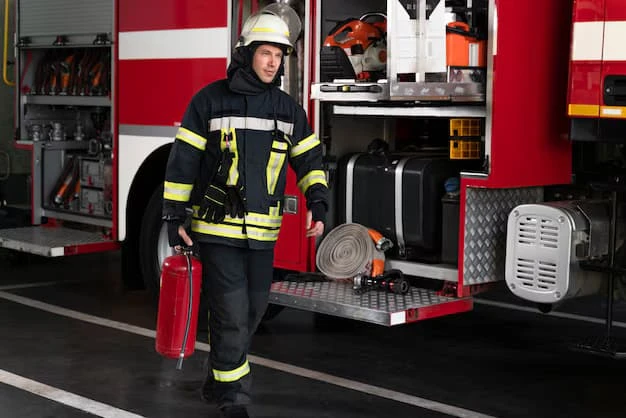

Fire safety is one of the most important responsibilities associated with owning, managing, or developing a building. While alarms, detectors, and suppression systems often receive the most attention, there is another critical layer of protection that works silently at all times. Passive fire protection is designed to contain fire, smoke, and heat within specific areas of a building, helping to protect lives, property, and structural stability. To be effective, these measures must be designed, installed, and maintained correctly. This is why professional passive fire protection services are essential for any building that prioritises safety and compliance.
This article explains what passive fire protection involves, why professional services are necessary, and how they contribute to safer and more resilient buildings.
Understanding Passive Fire Protection
What Passive Fire Protection Means
Passive fire protection refers to fire safety measures that are built into the structure of a building. These measures are always present and do not rely on activation or human intervention to function. Their primary purpose is to slow the spread of fire and smoke and to maintain the integrity of escape routes and structural elements.
Examples of passive fire protection include fire rated walls and floors, fire stopping around service penetrations, cavity barriers, fire doors, and protective systems applied to structural elements. Together, these components form a coordinated strategy that limits fire spread and supports safe evacuation.
How Passive Fire Protection Differs From Active Systems
Active fire protection systems such as alarms and sprinklers are designed to detect or suppress fire once it starts. Passive systems work alongside these measures by containing the fire and preventing rapid spread. Without effective passive fire protection, even the best active systems may not be sufficient to prevent serious damage or loss of life.
Professional passive fire protection services ensure that these systems work as intended and complement other fire safety measures.
Why Passive Fire Protection Is Critical for Buildings
Protecting Occupants and Visitors
The primary objective of passive fire protection is life safety. By slowing the movement of fire and smoke, passive systems provide crucial time for occupants to evacuate safely. This time can make a significant difference, particularly in large or complex buildings where evacuation may take longer.
Professional services help ensure that these systems are correctly installed and maintained, maximising their effectiveness during an emergency.
Maintaining Structural Stability
Fire can weaken structural elements very quickly, especially in buildings that use steel frames. Passive fire protection systems help delay this loss of strength, reducing the risk of structural collapse. Maintaining stability is essential for allowing emergency services to operate safely and for limiting damage to the building.
Limiting Property Damage
Containing fire within a defined area helps reduce damage to the rest of the building. This containment can significantly lower repair costs and reduce downtime following an incident. Passive fire protection services contribute to business continuity by limiting the scale of fire related damage.
What Professional Passive Fire Protection Services Include
Fire Compartmentation Design and Installation
Fire compartmentation divides a building into separate fire resistant zones. Walls, floors, and ceilings are designed to prevent fire and smoke from spreading beyond a specific area for a set period. Professional services ensure that compartmentation is correctly designed and constructed in line with fire safety requirements.
They also verify that compartments remain effective even as the building evolves over time.
Fire Stopping Systems
Service penetrations created by pipes, cables, and ducts can compromise fire resistant barriers if not properly sealed. Fire stopping systems are used to restore the fire resistance of these barriers. Professional passive fire protection services ensure that the correct materials are used and installed correctly for each type of penetration.
This attention to detail is essential for maintaining the integrity of fire compartments.
Protection of Structural Elements
Structural elements may require additional protection to maintain their load bearing capacity during a fire. Protective systems applied to beams and columns help delay heat transfer and preserve strength. Professional services ensure that these systems are applied to the correct thickness and in accordance with tested specifications.
Fire Doors and Associated Components
Fire doors are a critical part of passive fire protection. They help contain fire and smoke while maintaining safe escape routes. Professional services cover the installation, inspection, and maintenance of fire doors and their components to ensure they perform as intended.
The Importance of Professional Expertise
Understanding Complex Regulations
Fire safety regulations are detailed and can be complex. Professional passive fire protection services bring in depth knowledge of current standards and requirements. This expertise helps ensure that all systems meet regulatory expectations and can withstand inspection by authorities and insurers.
Building owners benefit from reduced risk of non compliance and enforcement action.
Correct Product Selection
Not all fire protection products are suitable for every application. Professional services involve selecting tested and certified materials that are appropriate for the specific building design and use. Incorrect product selection can lead to reduced performance and costly remedial work.
Skilled Installation and Workmanship
Even high quality fire protection products can fail if installed incorrectly. Professional passive fire protection services rely on skilled workmanship and proven installation methods. This ensures that systems perform as tested and designed.
Poor installation is one of the most common causes of passive fire protection failure.
The Role of Inspections and Ongoing Maintenance
Why Inspections Are Necessary
Passive fire protection systems can be compromised by building alterations, routine maintenance, or accidental damage. Regular inspections help identify defects that may not be visible during daily use. Professional services include systematic inspections that assess the condition and effectiveness of fire protection measures.
Addressing Issues Before They Escalate
Identifying and addressing minor issues early is far more cost effective than dealing with major failures after an incident. Professional services provide clear recommendations for remedial work, helping building owners maintain safety and compliance.
Supporting Long Term Compliance
Fire safety is an ongoing responsibility. Professional passive fire protection services support long term compliance by providing documentation, inspection records, and maintenance guidance. This information is valuable during audits, property transactions, and insurance assessments.
Benefits of Using Professional Passive Fire Protection Services
Improved Life Safety Outcomes
Professional services ensure that passive fire protection systems perform as intended, improving safety for occupants and visitors. This improved performance can be critical during an emergency.
Reduced Legal and Financial Risk
Failure to maintain adequate fire protection can expose building owners to significant legal and financial risks. Professional services help reduce these risks by ensuring compliance and demonstrating a proactive approach to fire safety.
Increased Building Value and Reputation
Buildings with well maintained fire protection systems are more attractive to tenants, investors, and insurers. Professional passive fire protection services contribute to the overall quality and reputation of the property.
Cost Effective Fire Safety Management
While professional services involve an investment, they often reduce long term costs by preventing major failures and unplanned repairs. Planned inspection and maintenance are more economical than reactive solutions.
Passive Fire Protection in Different Building Types
Commercial Buildings
Offices, retail spaces, and industrial facilities often have complex layouts and high occupancy levels. Professional passive fire protection services help manage these risks by ensuring effective compartmentation and protection of structural elements.
Residential Buildings
In residential settings, passive fire protection plays a key role in protecting escape routes and preventing fire spread between dwellings. Professional services help ensure that residents are protected and that buildings meet safety expectations.
Public and High Occupancy Buildings
Buildings such as hospitals, schools, and entertainment venues require particularly robust fire safety measures. Professional passive fire protection services support the high standards needed in these environments.
Integrating Passive Fire Protection Into Building Management
Early Planning and Design
The most effective passive fire protection strategies are considered early in the design process. Professional services support designers and developers by integrating fire safety into the building layout from the start.
Managing Changes Over Time
Buildings often undergo changes during their lifespan. Professional passive fire protection services help manage these changes by assessing their impact on fire safety and ensuring that protection is reinstated where needed.
Common Risks of Not Using Professional Services
Hidden Defects and Non Compliance
Without professional oversight, defects in passive fire protection can remain hidden until it is too late. Non compliant installations can compromise safety and lead to enforcement action.
Increased Risk During a Fire
Inadequate or poorly maintained passive fire protection increases the risk of rapid fire spread and structural failure. This risk can have devastating consequences for occupants and property.
Conclusion
Professional passive fire protection services are a fundamental part of responsible building ownership and management. By ensuring that fire protection systems are correctly designed, installed, inspected, and maintained, these services play a vital role in protecting lives, property, and long term building performance. Investing in professional expertise supports compliance, reduces risk, and provides peace of mind for all stakeholders.
For dependable expertise and high quality support in passive fire protection services, TBL Fire Protection delivers professional solutions that help buildings remain safe, compliant, and resilient.






















Sign in to leave a comment.