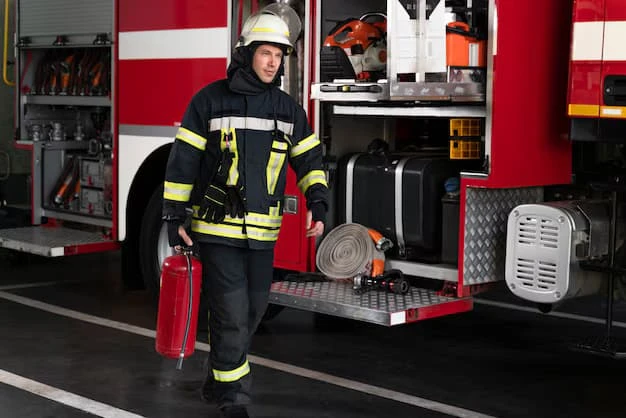

Fire safety is a critical priority for commercial and industrial property owners. Offices, warehouses, factories, retail spaces, and distribution centers all face unique fire risks due to complex layouts, heavy equipment, electrical systems, and high occupancy levels. Without proper planning and implementation, a single incident can result in devastating consequences including injury, operational downtime, financial loss, and reputational damage.
Comprehensive fire protection services provide a structured approach to identifying risks, implementing preventive measures, and maintaining compliance with regulations. By combining active and passive fire protection strategies, businesses can create safer environments while protecting valuable assets and ensuring long term operational stability.
Understanding Fire Risks in Commercial and Industrial Settings
Commercial and industrial properties often present higher fire risks than residential buildings due to their size, activities, and equipment.
Complex Building Layouts
Large facilities typically contain multiple compartments, plant rooms, storage areas, and service corridors. Complex layouts can make fire detection and containment more challenging. Fire protection services assess building design to ensure that fire safety systems function effectively across all zones.
High Risk Operations and Materials
Industrial environments may involve flammable liquids, combustible materials, heavy machinery, and high voltage electrical systems. These factors increase the potential for ignition and rapid fire spread. Professional fire protection services identify and address these specific hazards through tailored solutions.
High Occupancy and Public Access
Commercial properties such as shopping centers, offices, and hotels often accommodate large numbers of people. Effective evacuation planning and reliable fire detection systems are essential to safeguard occupants and ensure safe escape routes.
The Scope of Fire Protection Services
Fire protection services encompass a broad range of solutions designed to prevent, detect, contain, and suppress fires.
Fire Risk Assessments
A thorough fire risk assessment is the foundation of any fire safety strategy. Specialists evaluate potential ignition sources, fuel loads, building layout, and existing safety measures. The assessment identifies vulnerabilities and recommends improvements to reduce risk.
Regular reviews ensure that safety measures remain effective as operations evolve.
Passive Fire Protection
Passive fire protection focuses on containing fire and smoke within designated compartments. This includes fire rated walls, floors, ceilings, and cavity barriers.
Fire protection services ensure that compartmentation is intact and that service penetrations are properly sealed. Maintaining passive systems is essential to prevent fire from spreading rapidly throughout a building.
Active Fire Protection Systems
Active systems respond to fire through detection, alert, and suppression mechanisms. These include fire alarms, smoke detectors, sprinkler systems, and extinguishers.
Fire protection services include installation, testing, and maintenance of these systems to ensure reliable performance during emergencies.
Fire Compartmentation and Structural Integrity
Compartmentation plays a central role in protecting commercial and industrial properties.
Maintaining Fire Rated Barriers
Fire rated walls and floors are designed to resist fire for a specified duration. However, service installations such as pipes and cables often create openings that must be sealed correctly.
Fire protection services include inspection and remediation of fire stopping systems to maintain the integrity of these barriers.
Protecting Critical Infrastructure
Industrial facilities often house essential equipment and control rooms. Proper compartmentation limits the spread of fire to sensitive areas, reducing downtime and protecting operational continuity.
By preserving structural integrity, businesses minimize repair costs and maintain productivity.
Detection and Alarm Systems
Early detection is crucial for minimizing damage and ensuring safe evacuation.
Advanced Detection Technologies
Modern detection systems use smoke, heat, or multi sensor technology to identify fire in its early stages. Fire protection services evaluate the suitability of these systems based on building use and occupancy.
Strategic placement of detectors ensures comprehensive coverage across all areas.
Reliable Alarm Communication
An effective alarm system provides clear and immediate notification to occupants. Audible alarms, visual signals, and integrated communication systems support swift evacuation.
Routine testing and maintenance are essential components of professional fire protection services to ensure dependable operation.
Fire Suppression Solutions
Suppression systems are designed to control or extinguish fire before it spreads.
Sprinkler Systems
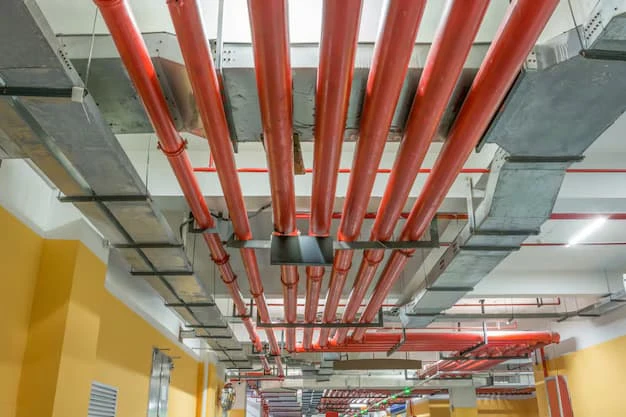
Automatic sprinkler systems activate when heat triggers individual heads. These systems are highly effective in containing fire at its source.
Fire protection services include system design, installation, inspection, and regular maintenance to ensure optimal performance.
Specialized Suppression Systems
Certain industrial environments require specialized suppression solutions, such as foam or gas systems. These systems protect sensitive equipment and high value assets without causing water damage.
Professional fire protection services ensure that the correct suppression method is selected and properly maintained.
Emergency Planning and Staff Preparedness
Technology alone is not sufficient to guarantee safety. Staff awareness and preparedness are equally important.
Evacuation Planning
Clear evacuation plans outline escape routes, assembly points, and responsibilities during an emergency. Fire protection services assist in developing and reviewing these plans to ensure clarity and compliance.
Well designed signage and emergency lighting support safe evacuation under challenging conditions.
Training and Drills
Regular fire drills and staff training sessions enhance preparedness. Employees learn how to respond calmly and effectively, reducing panic and confusion.
Fire protection services may provide guidance on training programs that reinforce a strong safety culture.
Compliance with Fire Safety Regulations
Commercial and industrial properties are subject to strict fire safety regulations.
Meeting Legal Requirements
Building owners and responsible persons must ensure that fire safety measures meet regulatory standards. Fire protection services provide professional oversight to help organizations achieve and maintain compliance.
Documented inspections, maintenance logs, and certification records demonstrate due diligence and accountability.
Preparing for Inspections
Regulatory inspections can occur without extensive notice. Maintaining up to date records and properly functioning systems reduces the risk of enforcement action.
Fire protection services support businesses in preparing for inspections and addressing any identified deficiencies.
Ongoing Maintenance and Continuous Improvement
Fire safety is not a one time project. Continuous maintenance and evaluation are essential.
Routine Inspections
Regular inspections ensure that fire doors, alarms, suppression systems, and compartmentation remain effective. Over time, wear and building modifications can compromise performance.
Fire protection services provide structured maintenance schedules to keep systems operating at peak efficiency.
Adapting to Operational Changes
As businesses expand or introduce new equipment, fire risks may change. Fire protection services assess these changes and recommend updates to maintain safety and compliance.
Proactive adaptation supports long term resilience.
Benefits of Comprehensive Fire Protection Services
Investing in professional fire protection services delivers measurable advantages.
Enhanced Life Safety
By combining prevention, detection, and containment strategies, businesses create safer environments for employees, visitors, and contractors.
Reduced Financial Risk
Effective fire protection minimizes the potential for large scale damage, operational disruption, and costly repairs. Insurance providers often view well maintained systems favorably.
Strengthened Reputation
A strong commitment to fire safety reflects responsible leadership. Clients, investors, and employees value organizations that prioritize protection and compliance.
Conclusion
Fire protection services are essential for commercial and industrial properties facing complex and evolving fire risks. Through comprehensive risk assessments, robust passive and active systems, and ongoing maintenance, these services create a structured approach to safety.
By investing in professional fire protection services, businesses protect lives, safeguard assets, and ensure compliance with regulatory standards. The result is greater resilience, operational stability, and peace of mind.
For organizations seeking dependable expertise and comprehensive solutions, TBL Fire Protection delivers professional fire protection services designed to keep commercial and industrial properties secure, compliant, and prepared for the future.
























Sign in to leave a comment.