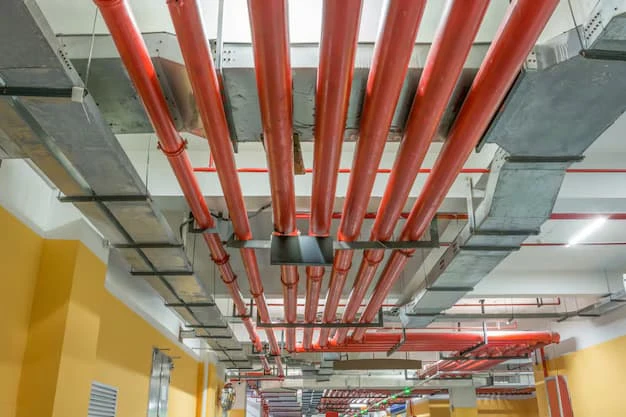

Passive fire protection plays a crucial role in safeguarding buildings, occupants, and assets from the devastating effects of fire. Unlike active fire protection systems, which require human intervention or mechanical activation, passive fire protection in birmingham (PFP) is designed to contain or slow the spread of fire automatically. This guide provides an in-depth look at the solutions available in Birmingham, highlighting their importance, types, applications, and benefits.
Understanding Passive Fire Protection
What is Passive Fire Protection?
Passive fire protection refers to the structural measures incorporated into a building to prevent the spread of fire and smoke. These systems are integrated into the design and construction of buildings and remain in place throughout the building’s life. The primary goal is to provide safe evacuation routes, protect structural elements, and limit property damage during a fire incident.
Importance of Passive Fire Protection in Buildings
Buildings without effective passive fire protection can experience rapid fire escalation, endangering lives and causing extensive property damage. Effective PFP ensures that fire and smoke are contained within designated areas, providing critical time for occupants to evacuate safely. It also protects the structural integrity of buildings, reducing the risk of collapse and aiding firefighting efforts.
Key Components of Passive Fire Protection
Fire-Resistant Walls and Partitions
Fire-resistant walls and partitions are designed to prevent the spread of flames and smoke between different areas of a building. They are typically constructed using fire-rated materials such as gypsum boards, concrete, or masonry blocks. Properly installed fire partitions can delay fire progression, giving occupants crucial time to evacuate and firefighters the ability to control the blaze.
Fire Doors and Frames
Fire doors are an essential part of PFP, providing barriers that resist fire and smoke for a specified period. Fire doors are usually equipped with intumescent seals that expand under high temperatures to close gaps and prevent smoke infiltration. High-quality fire doors in key locations, such as stairwells and corridors, significantly enhance building safety during fire emergencies.
Fire-Resistant Coatings
Fire-resistant coatings, including intumescent paints and sprays, are applied to structural steel, timber, or other combustible surfaces. These coatings act as insulation, delaying the heat penetration and maintaining the load-bearing capacity of the structure for a longer period. This prolongs evacuation time and reduces structural damage.
Compartmentation
Compartmentation involves dividing a building into sections or compartments using fire-resistant barriers. The primary objective is to contain fire within a limited area, preventing it from spreading throughout the building. Proper compartmentation ensures that escape routes remain safe and accessible during emergencies.
Fire Stopping Solutions
Fire stopping materials are used to seal openings and penetrations in walls, floors, and ceilings where services such as pipes, cables, and ducts pass through. Fire stopping prevents fire and smoke from spreading through these openings, maintaining the effectiveness of fire compartments. Common fire stopping materials include fire sealants, collars, and wraps.
Applications of Passive Fire Protection in Birmingham
Residential Buildings
In residential complexes, passive fire protection is crucial to ensure the safety of occupants. Fire-resistant walls, doors, and compartmentation systems prevent the rapid spread of fire, particularly in multi-storey buildings where evacuation can be more challenging.
Commercial and Office Spaces
Commercial buildings in Birmingham, including office towers, shopping centers, and hotels, benefit from passive fire protection through enhanced structural safety and reduced fire risks. Fire-resistant coatings, doors, and compartmentation systems protect both employees and visitors while minimizing property damage.
Industrial and Manufacturing Facilities
Industrial sites often contain flammable materials and complex machinery. Passive fire protection measures such as fire-resistant coatings on steel structures and fire stopping around critical service penetrations are essential to contain potential fires and reduce operational downtime.
Public Infrastructure
Hospitals, schools, and transport hubs rely heavily on passive fire protection to safeguard large numbers of people. Compartmentation, fire doors, and fire-resistant materials ensure that evacuation routes remain safe and that fire does not compromise critical infrastructure.
Benefits of Passive Fire Protection
Enhanced Life Safety
The primary benefit of PFP is the protection of lives. By containing fire and smoke, PFP provides occupants with more time to evacuate safely, reducing the risk of injuries or fatalities.
Structural Protection
PFP systems protect key structural components, such as steel frameworks and concrete supports, from fire damage. This preserves the building’s stability during a fire and limits the need for extensive post-fire reconstruction.
Regulatory Compliance
Compliance with fire safety regulations is mandatory in Birmingham and across the UK. Implementing PFP ensures that buildings meet legal requirements, avoiding penalties and improving insurance eligibility.
Cost-Effectiveness
Although passive fire protection may require upfront investment, it significantly reduces long-term costs by limiting fire damage, reducing downtime, and lowering insurance premiums. The durability and low maintenance requirements of PFP systems make them a cost-effective solution for building safety.
Choosing the Right Passive Fire Protection Solutions
Assessment and Planning
Before installing PFP systems, a comprehensive fire risk assessment is essential. This assessment identifies potential hazards, evaluates structural vulnerabilities, and determines the appropriate protection measures.
Material Selection
Selecting the correct fire-resistant materials is critical for effectiveness. Factors such as fire rating, durability, environmental conditions, and compatibility with existing structures must be considered.
Professional Installation
Proper installation by trained professionals ensures that PFP systems function as intended. Poor installation can compromise fire resistance, leaving buildings vulnerable to fire spread.
Regular Maintenance and Inspection
Routine maintenance and inspections are vital to ensuring the ongoing effectiveness of passive fire protection measures. Checking for damage, wear, or tampering with fire doors, seals, and coatings helps maintain building safety over time.
Advancements in Passive Fire Protection
Technological advancements have enhanced the efficiency and performance of PFP systems. Modern fire-resistant materials offer longer fire ratings with reduced thickness, while innovative fire stopping solutions allow for easier installation around complex service penetrations. Integration with building information modeling (BIM) also enables better planning, compliance monitoring, and lifecycle management of passive fire protection systems.
Conclusion
Passive fire protection is an indispensable aspect of building safety in Birmingham, providing life-saving measures and structural protection without requiring active intervention. From fire-resistant walls and doors to compartmentation and fire stopping, PFP systems are vital across residential, commercial, and industrial settings. Proper planning, professional installation, and regular maintenance ensure these measures remain effective throughout a building’s lifespan. For reliable passive fire protection solutions in Birmingham, businesses and property owners can turn to TBL Fire Protection for expert guidance and services.
























Sign in to leave a comment.