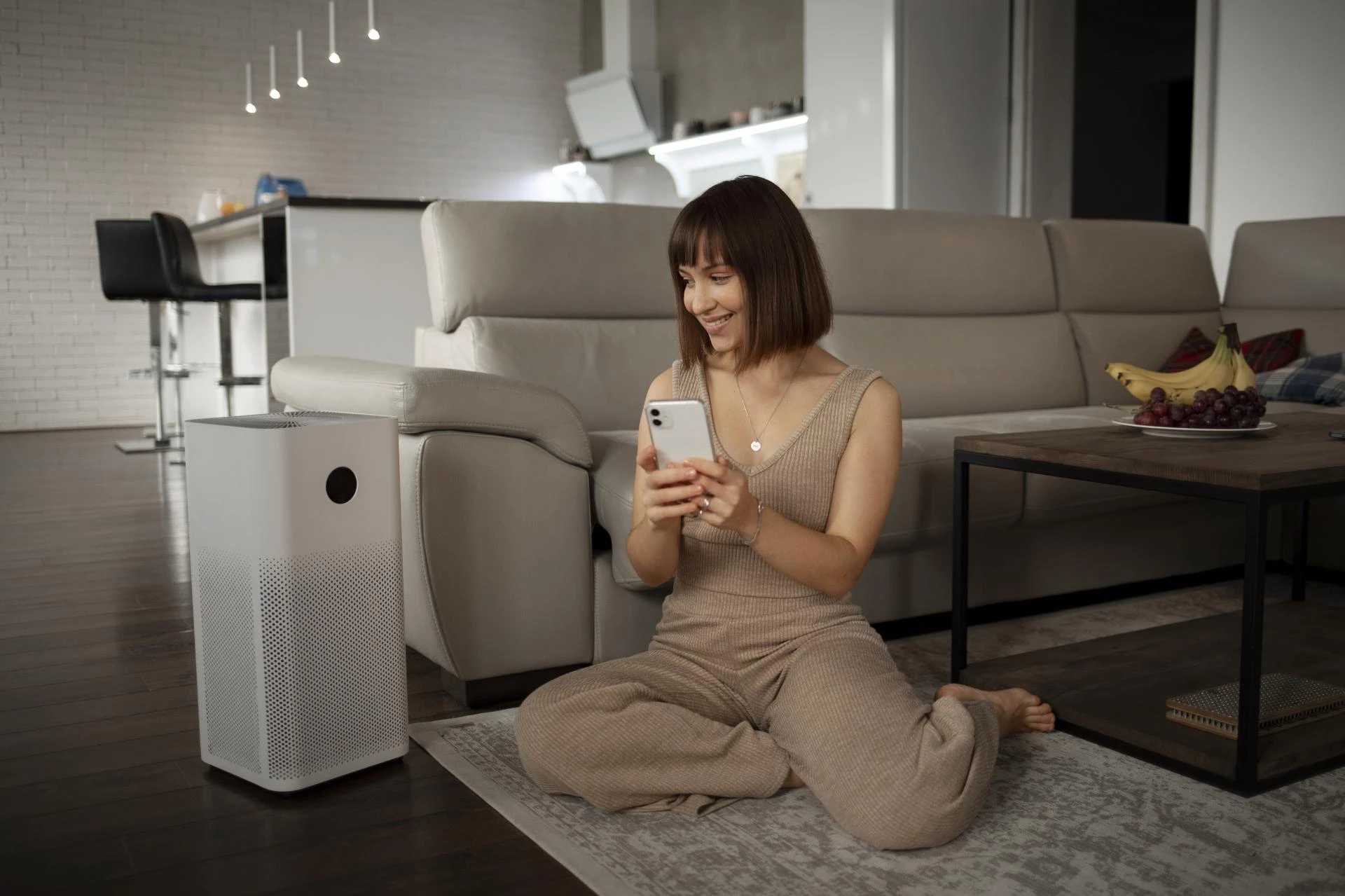

Spring is here, and for millions of Americans, that means sneezing fits, itchy eyes, and sleepless nights. If you have been struggling with seasonal symptoms, you already know how important clean indoor air is. Air purifiers for allergies have become one of the most searched products online in the USA right now, and for good reason. The air inside your home can actually be two to five times more polluted than outdoor air, according to the Environmental Protection Agency. Dust, pet dander, pollen, mold spores, and chemical fumes are quietly floating around in your living room every single day. Having the right air purifier at home is no longer a luxury it is becoming a basic necessity for anyone who cares about their family's health.
What Makes Indoor Air So Dangerous?
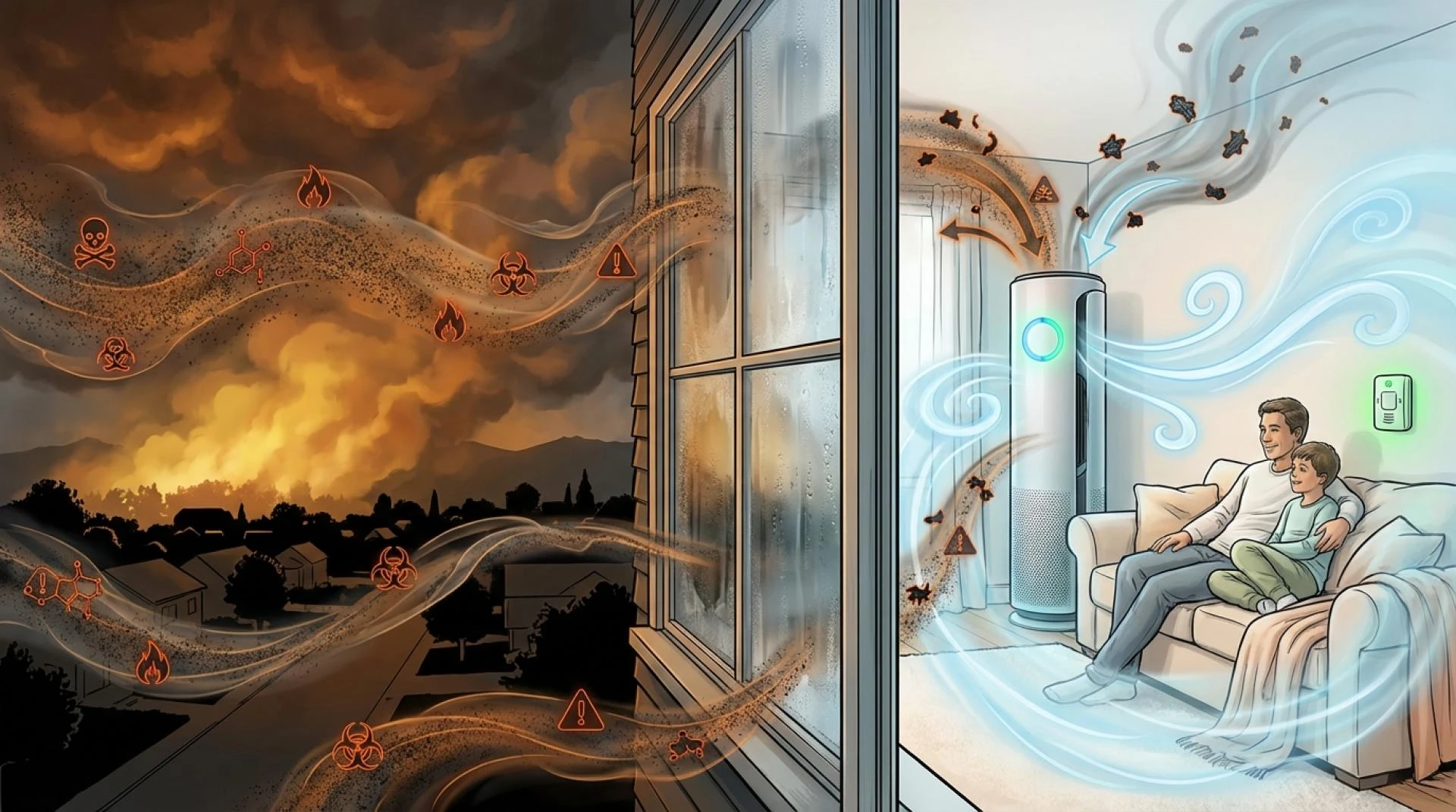
Most people assume that staying indoors protects them from pollution. The truth is quite the opposite. Every time you cook, clean, paint a wall, or even open a window during pollen season, you introduce new pollutants into your home. Older homes are especially prone to dampness, which leads to mold growth inside walls and ceilings. Newer homes, on the other hand, are sealed so tightly that chemicals from furniture, flooring, and cleaning products have nowhere to escape. These invisible threats build up silently and can cause headaches, fatigue, skin irritation, and long-term respiratory issues. Understanding what is in your air is the first step toward fixing it.
How Air Purifiers Help with Allergies
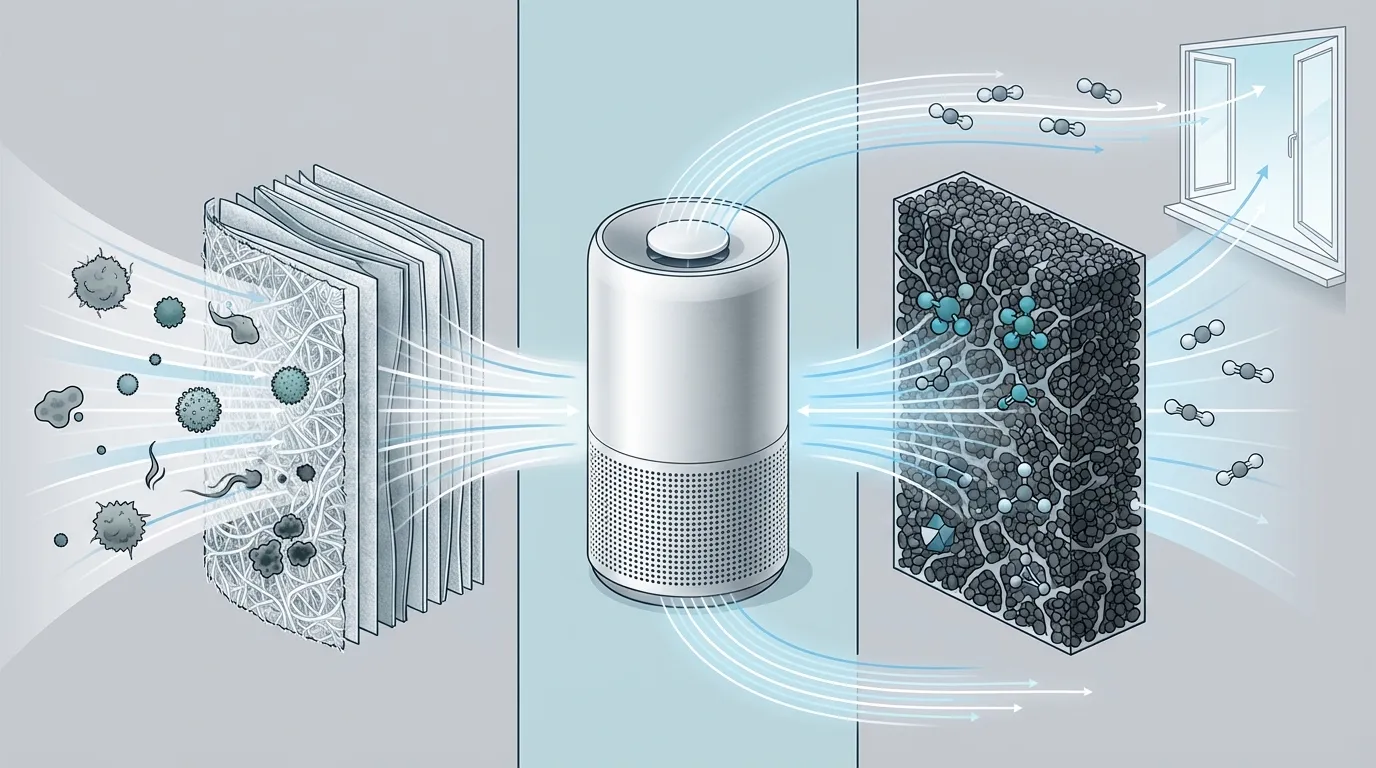
A good air purifier works by pulling indoor air through a series of filters that trap harmful particles before they can reach your lungs. For allergy sufferers, a True HEPA filter is the gold standard it captures at least 99.97% of particles as tiny as 0.3 microns, including pollen, dust mites, and pet dander. Many people report noticeable improvement in their symptoms within just two to three weeks of running a quality air purifier consistently. If someone in your household deals with asthma or chronic allergies, choosing a unit that is specifically designed for allergy and asthma relief can make a world of difference. You can explore options built for exactly this purpose at allerair.com.
Dealing with Mold: A Hidden Household Threat
Mold is one of those problems that quietly worsens over time. You may not see it, but mold spores are microscopic and airborne meaning they travel through your home's air and land on surfaces, multiply, and eventually cause health problems like coughing, wheezing, and skin rashes. A desktop air purifier for mold control placed in high-humidity areas like bathrooms, basements, or laundry rooms can significantly reduce the number of mold spores circulating in your air. According to the CDC, mold exposure can be especially dangerous for people with allergies, asthma, or weakened immune systems. Pairing an air purifier with good ventilation and moisture control is the most effective strategy for keeping mold in check indoors.
The VOC Problem You Probably Don't Know About
VOCs, or volatile organic compounds, are gases released from everyday products like paint, cleaning sprays, air fresheners, and even new furniture. You cannot see or smell most of them, but they linger in your indoor air and can cause eye irritation, nausea, and in the long run, more serious health issues. This is where a VOC removing air purifier makes a real difference. Standard HEPA filters alone are not enough to tackle VOCs you need activated carbon filtration, which works by chemically adsorbing these gas molecules and locking them inside the filter. If your home has been recently renovated, or if you use a lot of chemical-based cleaning products, this type of purifier is not optional it is essential. Wikipedia's entry on volatile organic compounds gives a helpful overview of just how widespread and varied these substances are in everyday life.
Choosing the Right Air Purifier for Your Home
Not every air purifier is built the same. When shopping online, look for units that clearly state their CADR (Clean Air Delivery Rate), the room size they cover, and the types of filters they use. A good rule of thumb is to choose a model that can cycle the air in your room at least five times per hour. If your main concern is allergies, prioritize HEPA filtration. If mold or dampness is your issue, look for models with strong particle capture and anti-microbial pre-filters. For homes with chemical sensitivities or strong odors, always go for a unit with a thick activated carbon layer. Spending a little time comparing features upfront will save you from buying a machine that does not actually solve your specific problem.
Final Thoughts
Clean air is something every family deserves, and the good news is that achieving it at home has never been easier or more affordable. Whether you are battling seasonal allergies, worried about mold, or trying to reduce chemical exposure from everyday products, there is a purpose-built air purifier designed for your needs. Start by identifying your biggest concern, then match it to the right filtration technology. If chemical odors and VOCs are your primary worry, explore our VOC removing air purifier options to find the best fit for your home. Your lungs and your family will thank you.























Sign in to leave a comment.