Imagine releasing your SaaS product to potentially thousands of users and never having to worry about scaling, server crashes, or unexpected infrastructure costs. That's no longer a wish, it's serverless.
In 2025, serverless architecture is more than just the latest tech trend - it's the foundation of SaaS. Everyone is switching to serverless, from startups to major tech companies. But why? And what does this mean for your business?
Let’s break it down.
⚙️ What Is Serverless Architecture?
Even if the name suggests otherwise, being serverless doesn't actually mean there are no servers. It simply means that software developers are no longer managing the servers themselves.
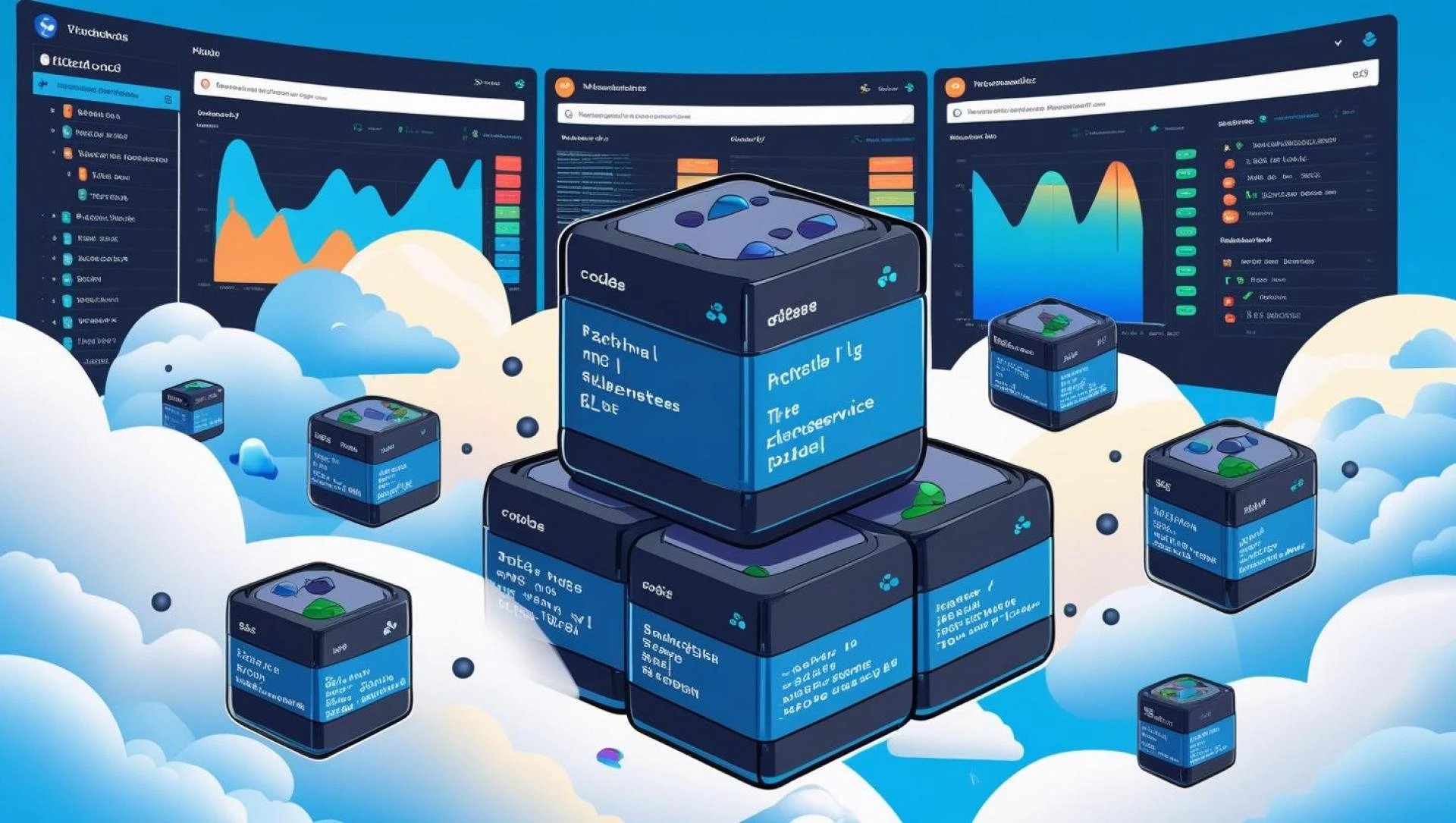
With serverless, you do not have to provision, scale, or patch servers. You can focus on writing code while your cloud provider (AWS, Google Cloud, or Azure) does all the server management and scaling work for you.
Serverless relies on Function–as–a–Service (FaaS) tools, such as:
- AWS Lambda
- Google Cloud Functions
- Azure Functions
In short? You write code → deploy it → it runs only when needed → you pay only for usage.
🚀 Why Every SaaS Company Is Moving to Serverless in 2025
1. Cost Efficiency
The reality is that traditional server setups are expensive. You pay for uptime whether or not any users are actually online.
- With serverless, you only pay when your function executes.
- No traffic? No cost.
- Big traffic? It scales as needed.
This pay-as-you-go model lowers idle costs and allows for the room to breathe for startups.
🔗 Want to optimize your cloud costs? Discover how SUSA Labs powers lean SaaS solutions.
2. Rapid Development & Deployment
Serverless encourages building in small, independent functions. This modularity:
- Speeds up testing and debugging
- Allows teams to deploy updates independently
- Promotes faster time-to-market
For SaaS companies racing to iterate and release features quickly, serverless is a goldmine.
3. Seamless Scaling
Traditional infrastructure often collapses under unpredictable traffic spikes.
With serverless, you get automatic, built-in scaling. Whether you have 10 or 10,000 users, your app adjusts—without any manual intervention.
This is critical for:
- SaaS CRMs during peak sales seasons
- E-learning platforms on exam days
- AI dashboards processing real-time data
📘 According to TechRepublic, over 60% of SaaS companies using serverless in 2025 reported improved stability during traffic surges.
🔐 Built-In Security for SaaS
Security is non-negotiable for any SaaS provider. And in 2025, serverless doesn’t just match traditional setups—it outperforms them.
With DevSecOps, Zero Trust architectures, and fine-grained access control, serverless ecosystems automatically:
- Patch vulnerabilities
- Isolate functions to reduce breach scope
- Enforce least privilege access via tools like AWS IAM or Azure RBAC
It’s not just secure—it’s secure by default.
🔐 Looking to build secure SaaS solutions from day one? Let SUSA Labs help.
🧠 Real-World Use Cases: Serverless in Action
Let’s look at how SaaS companies are winning with serverless:
CRM & Marketing Platforms
These apps experience fluctuating loads depending on campaign activity. With serverless, they avoid paying for idle time.
AI-Powered SaaS Tools
From natural language processing to real-time analytics, AI modules consume huge resources—serverless makes them event-driven and affordable.
🔗 Read: Smartworks Coworking Spaces IPO GMP: Should Software Development Companies Pay Attention?
E-commerce SaaS
Flash sales and sudden traffic bursts? Serverless handles them smoothly, ensuring uptime and lightning-fast response.
💥 Challenges of Serverless—and How SaaS Companies Solve Them
No architecture is perfect. Here's what to watch out for in serverless:
⚠️ Cold Starts
First-time execution of a function might be delayed—called a cold start.
Fix: Use "keep warm" strategies or provisioned concurrency in AWS Lambda.
⚠️ Vendor Lock-In
Heavily using platform-specific services can tie you to one provider.
Fix: Use multi-cloud strategies or open-source tools like Serverless Framework to abstract functions.
⚠️ Debugging Complexity
Monitoring across thousands of tiny functions isn’t easy.
Fix: Adopt observability tools like Datadog, Sentry, or AWS CloudWatch.
📘 Check out this AWS guide on debugging serverless apps effectively.
🧩 Is Serverless Right for Your SaaS Company?
Here’s a quick checklist:
✅ Criteria
Serverless Fit?
Need fast scaling?
Yes
Want to lower infrastructure costs?
Absolutely
Minimal DevOps team?
Perfect match
AI or real-time features?
Ideal
Need tight security by default?
Serverless wins
If you answered yes to at least 3—serverless is your future.
SaaS + Serverless = The Perfect Match
Let’s recap.
Serverless isn’t about hype—it’s about delivering value:
- Build faster
- Scale instantly
- Cut cloud costs
- Secure by default
- Focus on users, not infrastructure
SaaS companies don’t have time for lag, outages, or inflated bills. Serverless gives them the freedom to move fast and grow smarter.
🧠 Want a partner who gets serverless SaaS right the first time? SUSA Labs builds cloud-native products that scale without limits.
📌 Final Thoughts
In 2025, serverless is no longer “the future”—it’s the standard.
From backend logic to AI services, SaaS companies are leveraging serverless for every critical function.




























Sign in to leave a comment.