

School safety has never been more critical. Administrators, teachers, and parents are all concerned about keeping students safe in the face of natural disasters, health emergencies, or security threats. One tool that has proven indispensable in modern schools is a reliable emergency alert system for schools. Coupled with technologies like a school visitor management system, it not only enhances student safety but also streamlines emergency response procedures.
Understanding Emergency Alert Systems for Schools
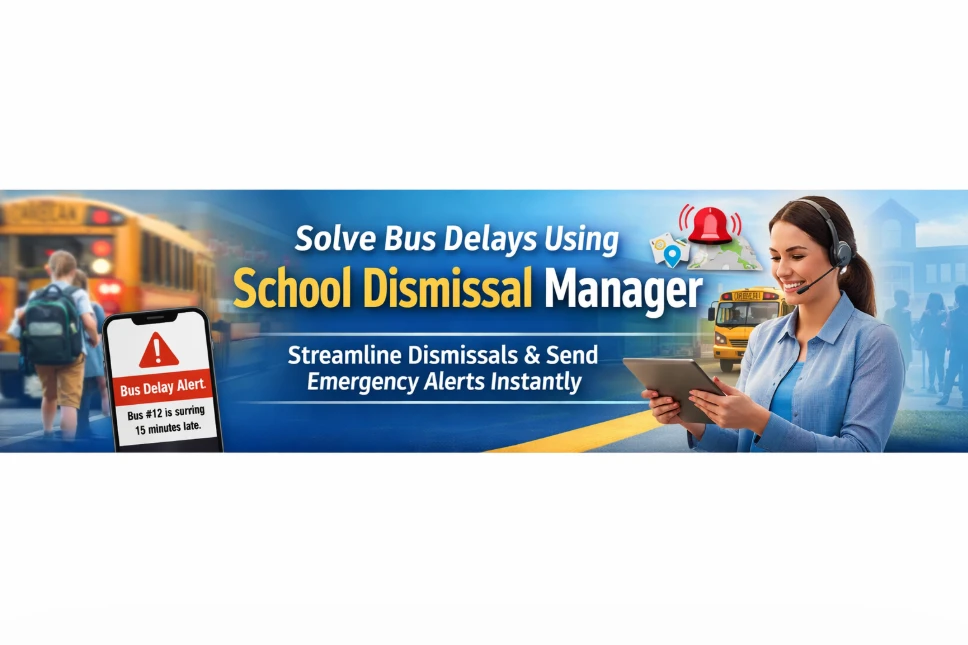
An emergency alert system for schools is a digital platform designed to notify staff, students, and parents immediately during any critical situation. Alerts can be sent via multiple channels, including:
- SMS and email
- Mobile apps and push notifications
- Public address systems
- Digital signage
The goal is simple: ensure that everyone on campus receives accurate information instantly so that appropriate actions can be taken to protect students and staff.
Why Traditional Methods Are No Longer Enough
For years, schools relied on manual methods such as phone trees, intercom announcements, and written notices. While these methods worked in the past, they come with significant limitations:
- Delayed Communication: Phone calls and emails can take precious minutes to reach everyone.
- Human Error: Manual notification systems are prone to mistakes or incomplete information.
- Limited Reach: Traditional methods may not notify parents or off-campus personnel quickly.
- Lack of Documentation: Manual systems rarely provide records of who received alerts, making audits difficult.
A digital emergency alert system for schools solves these issues by delivering timely, accurate, and trackable notifications.
Key Benefits of a Reliable Emergency Alert System
1. Real-Time Communication
In an emergency, every second counts. Modern alert systems instantly notify staff, students, and parents, ensuring rapid awareness of potential threats. Whether it’s a fire drill, severe weather warning, or a security threat, immediate communication saves lives.
2. Multi-Channel Alerts
Different stakeholders have different communication preferences. Some may prefer SMS, others email or app notifications. A robust system delivers messages across multiple platforms simultaneously, ensuring no one is left uninformed.
3. Integration with School Visitor Management Systems
A school visitor management system tracks who is on campus at any given time. When integrated with an emergency alert system, administrators can quickly identify visitors during a crisis and take appropriate action. For example:
- Evacuate unauthorized visitors safely
- Communicate emergency instructions to parents or guardians of students with guests on campus
- Maintain an accurate headcount during lockdowns or evacuations
This integration ensures that emergency response plans are executed efficiently and safely.
4. Supports Emergency Drills and Preparedness
Regular drills are essential for school safety. Emergency alert systems can automate drill notifications, track participation, and provide post-drill reports. This ensures that staff and students are familiar with safety procedures and reduces panic during actual emergencies.
5. Enhanced Parent and Community Communication
Parents are often the first to worry during school emergencies. A reliable alert system ensures that families receive timely updates, reducing anxiety and building trust between schools and the community. Some systems allow two-way communication, so parents can confirm receipt or ask questions in real time.
6. Audit Trails and Compliance
Schools are often required to comply with safety regulations and provide documentation of emergency preparedness. A digital alert system automatically logs all notifications, responses, and alerts, making audits and compliance reporting straightforward.
7. Reduced Administrative Burden
Manual phone trees and email chains require significant staff time and coordination. A modern system automates alert distribution, allowing administrators to focus on managing the emergency rather than communicating it.
Why Integration With a School Visitor Management System Matters
A school visitor management system is essential for maintaining a secure campus. It tracks visitors, contractors, and volunteers, creating a digital log of everyone present. When combined with an emergency alert system, this creates a comprehensive safety network:
- Instant headcounts include visitors, not just students and staff.
- Alerts can be customized for different groups (staff, students, parents, visitors).
- Emergency evacuations or lockdowns can be coordinated with full awareness of who is on campus.
This integration ensures that no one is overlooked during critical situations, enhancing safety for all.
Scenarios Where Emergency Alert Systems Make a Difference
- Natural Disasters: Immediate notifications for tornadoes, earthquakes, or floods guide staff and students to safe zones.
- Medical Emergencies: Rapid alerts can mobilize on-site medical teams and notify parents simultaneously.
- Security Threats: In case of intruders or other threats, lockdown alerts reach everyone on campus instantly.
- Weather-Related Closures: Automated messages inform parents and staff of school closures, preventing confusion.
- Fire or Hazard Alarms: Instant alerts direct students and staff to evacuation routes efficiently.
Each scenario highlights the importance of integrating emergency alert systems with other digital safety tools like school visitor management systems for a coordinated response.
Choosing the Right Emergency Alert System
When selecting a system, schools should consider:
- Multi-channel notification capabilities
- Integration with visitor management and student information systems
- Real-time tracking and analytics
- User-friendly interface for staff and administrators
- Reliability and uptime guarantees
- Compliance with local safety regulations
Investing in a robust solution is not just about technology—it’s about creating a culture of safety and preparedness.
Conclusion
In today’s world, a reliable emergency alert system for schools is no longer optional—it’s essential. From everyday drills to unexpected crises, these systems provide real-time communication, support staff and student safety, and enhance parent trust. When paired with a school visitor management system, schools gain a complete view of campus activity, ensuring that every person on site is accounted for during emergencies.
By adopting these technologies, schools not only meet safety standards but also foster confidence among students, staff, and families, creating a secure and prepared learning environment.
FAQs
1. What is an emergency alert system for schools?
It is a digital platform that sends immediate notifications to staff, students, and parents during critical situations using SMS, email, apps, or PA systems.
2. How does it help with school safety?
It ensures real-time communication, accurate headcounts, and coordinated response, minimizing risks during emergencies.
3. What is a school visitor management system?
A system that tracks and manages visitors on campus, creating logs and providing security alerts if needed.
4. Why should these systems be integrated?
Integration ensures a full picture of who is on campus, improving accountability and speeding up emergency response and reunification processes.
5. Can these systems help with drills and preparedness?
Yes. They can automate notifications, track participation, and provide reports to improve safety protocols.




























Sign in to leave a comment.