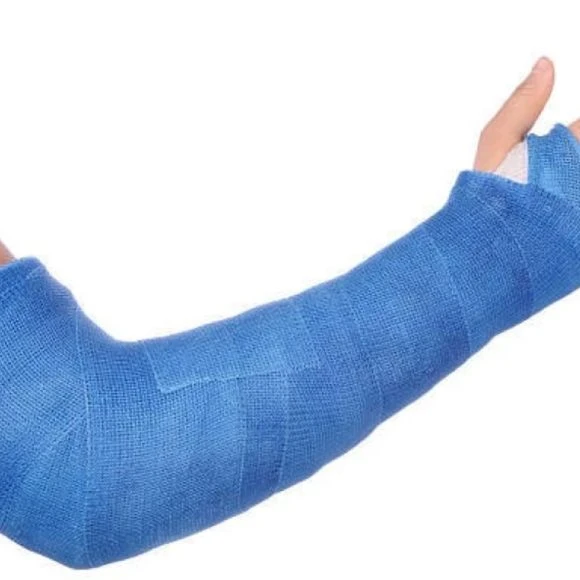

Fractures and bone injuries require proper stabilization to ensure correct healing and recovery. In orthopedic treatment, casts play a critical role in keeping broken bones aligned and protected during the healing process. Among the various casting materials available, fiberglass casts have become one of the most preferred choices in modern medical practice. Medical professionals widely use Fiberglass Cast Bandages because they are strong, lightweight, and provide excellent support for fractured bones.
Fiberglass casting materials are designed to harden quickly after application, forming a durable outer shell that keeps the injured area stable. Compared to traditional plaster casts, fiberglass casts offer several advantages, including better durability, faster drying time, and improved patient comfort. These benefits make fiberglass cast bandages an essential component in orthopedic treatments across hospitals and clinics.
Understanding Fiberglass Cast Bandages
Fiberglass cast bandages are orthopedic bandages made from woven fiberglass fabric that is coated with a special resin. When the bandage is dipped in water and wrapped around the injured limb, the resin reacts and hardens to form a rigid protective cast.
This cast helps immobilize the fractured bone, preventing unnecessary movement that could delay healing or worsen the injury. Before applying the fiberglass layer, doctors usually place a soft padding material around the affected area to protect the skin and provide additional comfort.
Because fiberglass casts are strong and lightweight, they are widely used for treating fractures of the arms, legs, wrists, and ankles. Their structure allows them to maintain proper bone alignment while allowing patients to move more comfortably during recovery.
Why Fiberglass Cast Bandages Are Preferred in Fracture Treatment
1. Lightweight and Comfortable
One of the biggest advantages of fiberglass casts is their lightweight design. Compared to traditional plaster casts, fiberglass casts are significantly lighter, which makes them more comfortable for patients.
A lighter cast reduces strain on the injured limb and allows patients to move more easily during recovery. This feature is especially beneficial for individuals who need to wear the cast for several weeks.
In orthopedic treatments, healthcare providers often rely on materials such as Fiberglass Cast Bandages to provide effective fracture stabilization without causing unnecessary discomfort.
2. Strong and Durable Support
Fiberglass casts are known for their strength and durability. Once the bandage hardens, it forms a rigid structure that effectively supports the injured bone.
This strength helps keep the fractured bone in the correct position, which is essential for proper healing. Fiberglass casts are also resistant to cracking and damage, making them more reliable for long-term fracture management.
Because of their durability, fiberglass casts are often preferred in cases where patients need strong immobilization for extended periods.
3. Faster Drying Time
Another key advantage of fiberglass cast bandages is their quick drying time. Fiberglass casts typically harden within minutes after application, allowing doctors to complete the casting process quickly.
Traditional plaster casts can take several hours to fully dry, which may cause inconvenience for both patients and healthcare providers. The faster setting time of fiberglass casts helps improve treatment efficiency in hospitals and clinics.
Patients also benefit because they can begin gentle movement sooner after the cast is applied.
4. Improved Breathability
Fiberglass casts provide better ventilation compared to plaster casts. The material allows air to circulate more easily around the injured area, which helps reduce moisture buildup inside the cast.
Better airflow helps maintain skin comfort and lowers the risk of skin irritation or infection. This feature is particularly important for patients who need to wear the cast for several weeks.
Improved breathability also helps maintain overall hygiene during the recovery period.
5. X-Ray Friendly Material
Fiberglass casts are radiolucent, meaning they allow X-rays to pass through easily. This allows doctors to monitor the healing progress of the fractured bone without needing to remove the cast.
This advantage helps healthcare professionals assess bone alignment and recovery more efficiently throughout the treatment period.
Because the cast does not interfere with imaging, it simplifies follow-up examinations and improves the overall treatment process.
6. Better Appearance and Customization
Fiberglass casts are available in different colors and designs, which can make the treatment experience more comfortable for patients, especially children.
The smooth and neat finish of fiberglass casts also makes them less bulky than traditional plaster casts. This helps improve the overall appearance and usability of the cast during daily activities.
While appearance may not affect medical outcomes, it can help patients feel more confident and comfortable during recovery.
Conclusion
Fiberglass cast bandages have become a preferred choice in modern fracture treatment because they offer strength, comfort, and reliability. Their lightweight structure, quick drying time, and durable support make them highly effective for immobilizing fractured bones and supporting proper healing.
In addition, their breathability and compatibility with X-ray imaging make them practical for both patients and healthcare providers. Medical professionals often rely on trusted orthopedic materials such as Fiberglass Cast Bandages to ensure stable fracture management and improved recovery outcomes.
As orthopedic care continues to advance, fiberglass cast bandages remain an essential medical solution for providing safe and effective fracture treatment in hospitals and clinics.























Sign in to leave a comment.