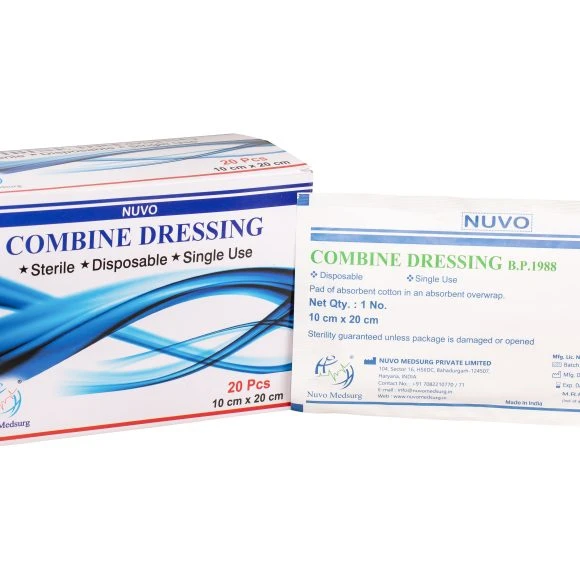

Proper wound care is essential for preventing infection, supporting faster healing, and ensuring patient comfort. Choosing the right dressing plays a crucial role in managing wounds effectively, especially when dealing with moderate to heavy exudate. One widely used option in hospitals, clinics, and home care settings is combine dressing, known for its high absorbency and protective structure.
Healthcare professionals often recommend combine dressing for wounds that require strong absorption, cushioning, and sterile protection. Understanding when to use this type of dressing can significantly improve wound management and patient outcomes.
What Is Combine Dressing?
Combine dressing is a thick, highly absorbent wound pad typically made from layers of cotton or fleece covered with a soft non-woven fabric. The multi-layer design allows the dressing to absorb wound fluids effectively while protecting the wound from contamination.
These dressings are generally sterile and designed to be gentle on the skin. Many combine dressings also feature a non-adherent surface that prevents the dressing from sticking to the wound bed. This helps reduce pain and tissue damage during dressing changes.
Due to their absorbent capacity and protective qualities, combine dressings are often used as primary or secondary wound dressings in a variety of medical situations.
Key Features of Combine Dressing
Before discussing when to use it, it’s important to understand the features that make combine dressing a preferred choice in wound care.
1. High Absorbency
One of the most important benefits of combine dressing is its ability to absorb moderate to heavy wound exudate. This helps maintain a clean and balanced wound environment that promotes healing.
2. Soft and Comfortable
The outer layer of combine dressing is usually made of a soft non-woven material that minimizes skin irritation. This makes it suitable for sensitive skin and long-term wound care.
3. Non-Adherent Design
Many combine dressings are designed to avoid sticking to the wound surface. This helps prevent pain and trauma when the dressing is removed or replaced.
4. Sterile and Protective
Sterile combine dressings provide an effective barrier against bacteria, dust, and other contaminants that could cause infection.
Because of these advantages, many healthcare providers rely on combine dressing for reliable wound protection and absorption.
When Should You Use Combine Dressing?
Combine dressing is versatile and can be used in several wound care situations. Below are the most common scenarios where it is recommended.
1. For Moderate to Heavy Exudating Wounds
Combine dressings are especially useful for wounds that produce moderate to heavy amounts of fluid. Excess moisture can slow down the healing process and increase the risk of infection.
The thick absorbent layers in combine dressings help manage this fluid effectively, keeping the wound clean and dry. This makes them ideal for wounds such as:
- Surgical incisions
- Deep cuts or lacerations
- Traumatic injuries
- Post-operative wounds
Using a reliable combine dressing helps ensure proper fluid management during the healing process.
2. For Large or Open Wounds
Large wounds often require dressings that provide both absorption and coverage. Combine dressings offer a larger surface area and extra cushioning, making them suitable for covering bigger wound sites.
They also help protect exposed tissue from external contaminants, which is critical for preventing infections.
3. After Surgical Procedures
Post-surgical wounds often release fluid during the early healing stages. Combine dressings are frequently used in hospitals and clinics after surgical procedures because they:
- Absorb post-operative drainage
- Protect the incision site
- Provide cushioning and comfort
- Reduce the risk of contamination
Their sterile packaging and soft structure make them a safe option for post-surgical care.
4. For Burns, Cuts, and Abrasions
Combine dressings can also be used for treating minor burns, abrasions, and trauma wounds. Their absorbent core helps manage fluid while the protective outer layer shields the wound from environmental contaminants.
Additionally, the soft padding reduces pressure on sensitive areas, which can improve comfort during the healing process.
5. As a Secondary Dressing
In many advanced wound care treatments, combine dressings are used as a secondary dressing. This means they are placed over another wound dressing such as medicated gauze or antimicrobial pads.
In this role, combine dressings help:
- Provide additional absorption
- Offer extra wound protection
- Secure the primary dressing in place
This layered approach is commonly used in hospitals for more complex wounds.
How Often Should Combine Dressing Be Changed?
The frequency of dressing changes depends on the type of wound and the amount of fluid it produces. In general, combine dressings should be replaced when they become saturated with fluid or according to medical recommendations.
Regular dressing changes help maintain hygiene and reduce the risk of infection. Monitoring the wound for signs of redness, swelling, or unusual discharge is also important during the healing process.
Best Practices for Using Combine Dressing
To ensure effective wound care, it is important to follow proper application techniques when using combine dressing.
Here are some key best practices:
- Clean the wound thoroughly before applying the dressing.
- Use sterile gloves to maintain hygiene.
- Ensure the dressing fully covers the wound area.
- Secure the dressing properly using medical tape or bandage.
- Check the wound regularly and replace the dressing when needed.
Following these steps can help maintain a safe healing environment and support faster recovery.
Conclusion
Combine dressing is an essential component of effective wound care, particularly for wounds that require high absorbency and protective coverage. Its multi-layer design allows it to manage wound exudate while keeping the wound clean and protected from external contaminants.
From surgical wounds to trauma injuries and burns, combine dressings provide reliable support during the healing process. Choosing a high-quality combine dressing ensures proper absorption, comfort, and wound protection.
By understanding when and how to use combine dressing, healthcare professionals and caregivers can improve wound care outcomes and promote faster healing for patients.When Should You Use Combine Dressing in Wound Care?
Proper wound care is essential for preventing infection, supporting faster healing, and ensuring patient comfort. Choosing the right dressing plays a crucial role in managing wounds effectively, especially when dealing with moderate to heavy exudate. One widely used option in hospitals, clinics, and home care settings is combine dressing, known for its high absorbency and protective structure.
Healthcare professionals often recommend combine dressing for wounds that require strong absorption, cushioning, and sterile protection. Understanding when to use this type of dressing can significantly improve wound management and patient outcomes.
What Is Combine Dressing?
Combine dressing is a thick, highly absorbent wound pad typically made from layers of cotton or fleece covered with a soft non-woven fabric. The multi-layer design allows the dressing to absorb wound fluids effectively while protecting the wound from contamination.
These dressings are generally sterile and designed to be gentle on the skin. Many combine dressings also feature a non-adherent surface that prevents the dressing from sticking to the wound bed. This helps reduce pain and tissue damage during dressing changes.
Due to their absorbent capacity and protective qualities, combine dressings are often used as primary or secondary wound dressings in a variety of medical situations.
Key Features of Combine Dressing
Before discussing when to use it, it’s important to understand the features that make combine dressing a preferred choice in wound care.
1. High Absorbency
One of the most important benefits of combine dressing is its ability to absorb moderate to heavy wound exudate. This helps maintain a clean and balanced wound environment that promotes healing.
2. Soft and Comfortable
The outer layer of combine dressing is usually made of a soft non-woven material that minimizes skin irritation. This makes it suitable for sensitive skin and long-term wound care.
3. Non-Adherent Design
Many combine dressings are designed to avoid sticking to the wound surface. This helps prevent pain and trauma when the dressing is removed or replaced.
4. Sterile and Protective
Sterile combine dressings provide an effective barrier against bacteria, dust, and other contaminants that could cause infection.
Because of these advantages, many healthcare providers rely on combine dressing for reliable wound protection and absorption.
When Should You Use Combine Dressing?
Combine dressing is versatile and can be used in several wound care situations. Below are the most common scenarios where it is recommended.
1. For Moderate to Heavy Exudating Wounds
Combine dressings are especially useful for wounds that produce moderate to heavy amounts of fluid. Excess moisture can slow down the healing process and increase the risk of infection.
The thick absorbent layers in combine dressings help manage this fluid effectively, keeping the wound clean and dry. This makes them ideal for wounds such as:
- Surgical incisions
- Deep cuts or lacerations
- Traumatic injuries
- Post-operative wounds
Using a reliable combine dressing helps ensure proper fluid management during the healing process.
2. For Large or Open Wounds
Large wounds often require dressings that provide both absorption and coverage. Combine dressings offer a larger surface area and extra cushioning, making them suitable for covering bigger wound sites.
They also help protect exposed tissue from external contaminants, which is critical for preventing infections.
3. After Surgical Procedures
Post-surgical wounds often release fluid during the early healing stages. Combine dressings are frequently used in hospitals and clinics after surgical procedures because they:
- Absorb post-operative drainage
- Protect the incision site
- Provide cushioning and comfort
- Reduce the risk of contamination
Their sterile packaging and soft structure make them a safe option for post-surgical care.
4. For Burns, Cuts, and Abrasions
Combine dressings can also be used for treating minor burns, abrasions, and trauma wounds. Their absorbent core helps manage fluid while the protective outer layer shields the wound from environmental contaminants.
Additionally, the soft padding reduces pressure on sensitive areas, which can improve comfort during the healing process.
5. As a Secondary Dressing
In many advanced wound care treatments, combine dressings are used as a secondary dressing. This means they are placed over another wound dressing such as medicated gauze or antimicrobial pads.
In this role, combine dressings help:
- Provide additional absorption
- Offer extra wound protection
- Secure the primary dressing in place
This layered approach is commonly used in hospitals for more complex wounds.
How Often Should Combine Dressing Be Changed?
The frequency of dressing changes depends on the type of wound and the amount of fluid it produces. In general, combine dressings should be replaced when they become saturated with fluid or according to medical recommendations.
Regular dressing changes help maintain hygiene and reduce the risk of infection. Monitoring the wound for signs of redness, swelling, or unusual discharge is also important during the healing process.
Best Practices for Using Combine Dressing
To ensure effective wound care, it is important to follow proper application techniques when using combine dressing.
Here are some key best practices:
- Clean the wound thoroughly before applying the dressing.
- Use sterile gloves to maintain hygiene.
- Ensure the dressing fully covers the wound area.
- Secure the dressing properly using medical tape or bandage.
- Check the wound regularly and replace the dressing when needed.
Following these steps can help maintain a safe healing environment and support faster recovery.
Conclusion
Combine dressing is an essential component of effective wound care, particularly for wounds that require high absorbency and protective coverage. Its multi-layer design allows it to manage wound exudate while keeping the wound clean and protected from external contaminants.
From surgical wounds to trauma injuries and burns, combine dressings provide reliable support during the healing process. Choosing a high-quality combine dressing ensures proper absorption, comfort, and wound protection.
By understanding when and how to use combine dressing, healthcare professionals and caregivers can improve wound care outcomes and promote faster healing for patients.When Should You Use Combine Dressing in Wound Care?
Proper wound care is essential for preventing infection, supporting faster healing, and ensuring patient comfort. Choosing the right dressing plays a crucial role in managing wounds effectively, especially when dealing with moderate to heavy exudate. One widely used option in hospitals, clinics, and home care settings is combine dressing, known for its high absorbency and protective structure.
Healthcare professionals often recommend combine dressing for wounds that require strong absorption, cushioning, and sterile protection. Understanding when to use this type of dressing can significantly improve wound management and patient outcomes.
What Is Combine Dressing?
Combine dressing is a thick, highly absorbent wound pad typically made from layers of cotton or fleece covered with a soft non-woven fabric. The multi-layer design allows the dressing to absorb wound fluids effectively while protecting the wound from contamination.
These dressings are generally sterile and designed to be gentle on the skin. Many combine dressings also feature a non-adherent surface that prevents the dressing from sticking to the wound bed. This helps reduce pain and tissue damage during dressing changes.
Due to their absorbent capacity and protective qualities, combine dressings are often used as primary or secondary wound dressings in a variety of medical situations.
Key Features of Combine Dressing
Before discussing when to use it, it’s important to understand the features that make combine dressing a preferred choice in wound care.
1. High Absorbency
One of the most important benefits of combine dressing is its ability to absorb moderate to heavy wound exudate. This helps maintain a clean and balanced wound environment that promotes healing.
2. Soft and Comfortable
The outer layer of combine dressing is usually made of a soft non-woven material that minimizes skin irritation. This makes it suitable for sensitive skin and long-term wound care.
3. Non-Adherent Design
Many combine dressings are designed to avoid sticking to the wound surface. This helps prevent pain and trauma when the dressing is removed or replaced.
4. Sterile and Protective
Sterile combine dressings provide an effective barrier against bacteria, dust, and other contaminants that could cause infection.
Because of these advantages, many healthcare providers rely on combine dressing for reliable wound protection and absorption.
When Should You Use Combine Dressing?
Combine dressing is versatile and can be used in several wound care situations. Below are the most common scenarios where it is recommended.
1. For Moderate to Heavy Exudating Wounds
Combine dressings are especially useful for wounds that produce moderate to heavy amounts of fluid. Excess moisture can slow down the healing process and increase the risk of infection.
The thick absorbent layers in combine dressings help manage this fluid effectively, keeping the wound clean and dry. This makes them ideal for wounds such as:
- Surgical incisions
- Deep cuts or lacerations
- Traumatic injuries
- Post-operative wounds
Using a reliable combine dressing helps ensure proper fluid management during the healing process.
2. For Large or Open Wounds
Large wounds often require dressings that provide both absorption and coverage. Combine dressings offer a larger surface area and extra cushioning, making them suitable for covering bigger wound sites.
They also help protect exposed tissue from external contaminants, which is critical for preventing infections.
3. After Surgical Procedures
Post-surgical wounds often release fluid during the early healing stages. Combine dressings are frequently used in hospitals and clinics after surgical procedures because they:
- Absorb post-operative drainage
- Protect the incision site
- Provide cushioning and comfort
- Reduce the risk of contamination
Their sterile packaging and soft structure make them a safe option for post-surgical care.
4. For Burns, Cuts, and Abrasions
Combine dressings can also be used for treating minor burns, abrasions, and trauma wounds. Their absorbent core helps manage fluid while the protective outer layer shields the wound from environmental contaminants.
Additionally, the soft padding reduces pressure on sensitive areas, which can improve comfort during the healing process.
5. As a Secondary Dressing
In many advanced wound care treatments, combine dressings are used as a secondary dressing. This means they are placed over another wound dressing such as medicated gauze or antimicrobial pads.
In this role, combine dressings help:
- Provide additional absorption
- Offer extra wound protection
- Secure the primary dressing in place
This layered approach is commonly used in hospitals for more complex wounds.
How Often Should Combine Dressing Be Changed?
The frequency of dressing changes depends on the type of wound and the amount of fluid it produces. In general, combine dressings should be replaced when they become saturated with fluid or according to medical recommendations.
Regular dressing changes help maintain hygiene and reduce the risk of infection. Monitoring the wound for signs of redness, swelling, or unusual discharge is also important during the healing process.
Best Practices for Using Combine Dressing
To ensure effective wound care, it is important to follow proper application techniques when using combine dressing.
Here are some key best practices:
- Clean the wound thoroughly before applying the dressing.
- Use sterile gloves to maintain hygiene.
- Ensure the dressing fully covers the wound area.
- Secure the dressing properly using medical tape or bandage.
- Check the wound regularly and replace the dressing when needed.
Following these steps can help maintain a safe healing environment and support faster recovery.
Conclusion
Combine dressing is an essential component of effective wound care, particularly for wounds that require high absorbency and protective coverage. Its multi-layer design allows it to manage wound exudate while keeping the wound clean and protected from external contaminants.
From surgical wounds to trauma injuries and burns, combine dressings provide reliable support during the healing process. Choosing a high-quality combine dressing ensures proper absorption, comfort, and wound protection.
By understanding when and how to use combine dressing, healthcare professionals and caregivers can improve wound care outcomes and promote faster healing for patients.























Sign in to leave a comment.