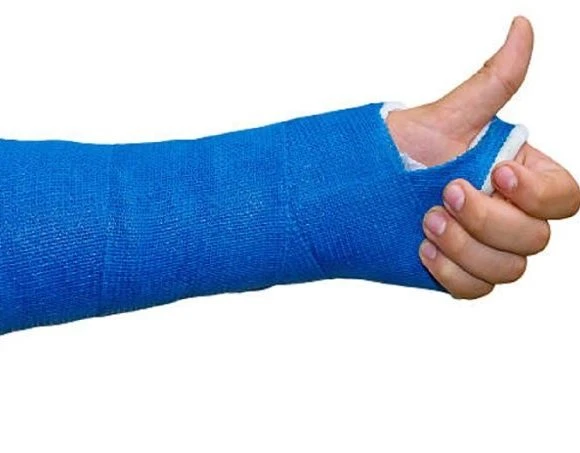

Proper wound care plays a crucial role in preventing infections and promoting healing. One of the most frequently asked questions in wound management is how often you should change a bandage. Using quality Bandages, such as those from Nuvo Medsurg, can significantly improve outcomes when combined with the right dressing practices. This guide explains when to change bandages, why timing matters, and how to do it safely.
Why Regular Bandage Changes Matter
A bandage protects wounds from dirt, bacteria, and friction, while also helping manage moisture and support tissue repair. However, bandages can become less effective over time when they:
- Become wet from wound drainage or external moisture
- Accumulate bacteria, sweat, or dirt
- Loosen or shift from their original position
- Cause skin irritation from prolonged contact
Failing to replace a soiled or saturated bandage can delay healing and increase the risk of infection. Products like Nuvo Medsurg Bandages are designed for comfort and secure adhesion, but timing and technique matter just as much as the product itself.
General Guidelines for Changing Bandages
1. Daily or Once-a-Day Changes
For most minor cuts, scrapes, and surgical incisions, changing the bandage once a day is a good general rule. Daily changes help you:
- Examine the wound for signs of infection
- Reapply clean materials for optimal healing
- Remove moisture and contaminants
- Refresh any ointments or topical treatments
Start by washing your hands thoroughly, gently removing the old dressing, and cleaning the wound area as needed. Apply a fresh bandage from Nuvo Medsurg to keep the wound protected and supported.
2. More Frequent Changes When Needed
Certain situations require more frequent bandage changes. These include:
- Heavily draining wounds: If the bandage becomes soaked or discoloured before the daily change, replace it immediately to prevent moisture build-up and bacterial growth.
- Infected or inflamed wounds: Redness, swelling, pus, or an unpleasant smell are signs that the wound requires closer attention and possibly more frequent dressing changes.
- Active individuals: Increased sweating, movement, or exposure to contaminants can mean bandages need replacing more often to stay clean and effective.
In these cases, check the bandage every few hours and change it as soon as it appears compromised.
Best Practices for Bandage Changes
To ensure safe and effective bandage changes:
- Wash hands thoroughly before touching the wound or dressing.
- Remove the old bandage gently to avoid reopening the wound.
- Clean the wound using sterile saline or a recommended solution if advised by a healthcare professional.
- Apply a fresh bandage from Nuvo Medsurg to fully cover the wound with appropriate tension — secure but not too tight.
- Dispose of used bandages safely to prevent contamination.
Proper hygiene and bandaging technique reduce the risk of irritation and infection, enabling faster and more comfortable healing.
Conclusion: Regular Changes for Better Healing
In summary, the frequency of changing a Bandage varies based on wound type, drainage, and activity level. For most wounds, a daily change is effective, while heavily draining or contaminated wounds may need more frequent attention. Using high-quality bandages like those from Nuvo Medsurg, and following careful wound care practices, can significantly improve healing and comfort. Always monitor the wound for signs of infection and adjust dressing changes as needed. If you’re unsure about the best schedule for your wound type, consult a healthcare professional for personalised advice.
























Sign in to leave a comment.