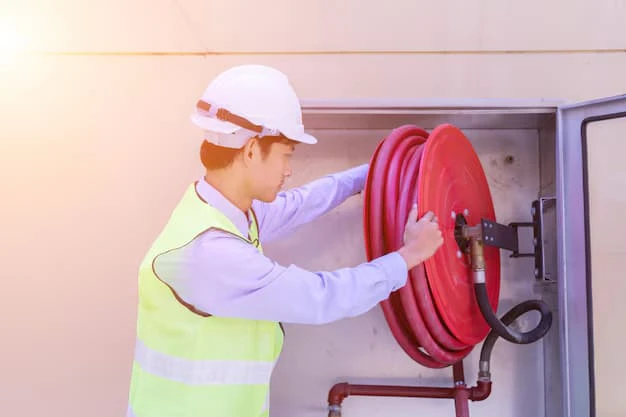

Fire protection in modern buildings is a critical component of safety planning. While active systems like sprinklers and alarms are essential, passive fire protection measures play a crucial role in preventing fire spread. One such measure is cavity barrier fire protection, which involves installing fire-resistant barriers within hidden cavities in walls, floors, and ceilings. These barriers prevent flames and smoke from traveling through concealed spaces, maintaining compartmentation and enhancing overall building safety. Including cavity barriers in a fire protection strategy ensures that both people and property are better protected during an emergency.
Understanding Cavity Barrier Fire Protection
What Are Cavity Barriers?
Cavity barriers are materials or assemblies placed within concealed spaces in buildings. These spaces, often found in wall cavities, suspended ceilings, or floor voids, can act as hidden pathways for fire and smoke. By installing fire-resistant barriers within these cavities, the spread of fire is significantly slowed or contained.
Role in Passive Fire Protection
Cavity barriers are a key element of passive fire protection. Unlike active systems that require activation, such as sprinklers or alarms, cavity barriers provide continuous protection by maintaining fire compartmentation. They work silently but effectively, ensuring that a fire does not spread through hidden channels that could compromise safety.
Materials Used for Cavity Barriers
Common materials used include mineral wool, intumescent products, and non-combustible boards. These materials are tested to resist high temperatures and prevent the passage of flames and smoke, even under extreme conditions.
Importance of Cavity Barriers in Fire Protection
Containing Fire Spread
Cavity barriers limit fire to its compartment of origin, preventing it from rapidly spreading through hidden voids. This containment reduces the risk of structural damage and provides more time for evacuation and emergency response.
Protecting Occupants
Smoke inhalation is a leading cause of fatalities in fires. Cavity barriers restrict smoke movement, ensuring safer escape routes for building occupants and reducing the likelihood of injury.
Preserving Structural Integrity
Fires can weaken structural components such as steel or timber within minutes. Cavity barriers help maintain the integrity of these materials, preventing early collapse and protecting the overall stability of the building.
Supporting Regulatory Compliance
Building regulations in the UK require effective passive fire protection measures, including cavity barriers, in many types of structures. Compliance with these regulations ensures legal adherence and reduces liability for building owners and managers.
Applications of Cavity Barrier Fire Protection
Residential Buildings
High-rise apartments and multi-storey residential complexes benefit from cavity barriers in walls and floors. This is especially important in buildings with cladding systems or open-plan designs where fire can spread vertically.
Commercial and Industrial Spaces
Offices, factories, and warehouses often have concealed cavities for electrical wiring, plumbing, and ventilation. Cavity barriers in these spaces prevent fire from traveling undetected and causing widespread damage.
Public Buildings
Schools, hospitals, and shopping centres accommodate large numbers of people daily. Installing cavity barriers ensures that fire and smoke do not compromise evacuation routes, keeping occupants safe during emergencies.
Installation and Maintenance of Cavity Barriers
Survey and Assessment
A professional fire risk assessment identifies where cavity barriers are needed. This includes inspecting wall cavities, floor voids, ceiling spaces, and other hidden areas that could allow fire to spread.
Material Selection and Installation
Choosing the right materials is crucial for effectiveness. Barriers must be installed correctly to ensure no gaps remain, as even small openings can compromise fire containment. Professional installation ensures that all cavities are adequately protected.
Regular Inspection and Maintenance
Over time, modifications, renovations, or wear and tear can affect the performance of cavity barriers. Regular inspections ensure that barriers remain intact and continue to provide optimal fire protection.
Benefits of Including Cavity Barriers in Fire Protection Systems
Enhanced Safety
Cavity barriers improve overall fire safety by containing flames and smoke. They provide crucial extra minutes for occupants to evacuate safely and for emergency services to respond.
Reduced Damage and Recovery Costs
By limiting fire spread, cavity barriers reduce structural damage and minimize the cost of repairs and downtime after a fire. This is particularly valuable in commercial and industrial settings.
Integration with Other Fire Protection Measures
Cavity barriers work in tandem with active fire systems such as sprinklers, alarms, and fire extinguishers. Together, they create a layered defense strategy that maximizes protection.
Long Term Compliance
Properly installed and maintained cavity barriers help buildings remain compliant with fire safety regulations, avoiding fines and legal complications.
Challenges in Cavity Barrier Implementation
Accessibility in Complex Structures
Older or architecturally complex buildings may contain difficult-to-reach cavities. Expert knowledge is necessary to ensure all potential fire paths are addressed.
Balancing Ventilation and Fire Safety
Some cavities serve as ventilation channels. Fire barrier solutions must balance airflow with fire containment to maintain building functionality while providing safety.
Ensuring Long Term Effectiveness
High quality materials and regular inspections are essential to maintain the performance of cavity barriers over time. Substandard products or poor maintenance can compromise safety.
Conclusion
Cavity barrier fire protection is a vital component of any comprehensive fire safety strategy. By containing fire and smoke within concealed cavities, these barriers enhance occupant safety, protect property, maintain structural integrity, and support regulatory compliance. Their role in passive fire protection makes them indispensable in residential, commercial, and public buildings alike.
For those seeking expert installation and maintenance of cavity barrier systems, Tblfireprotection provides reliable solutions. Their team ensures thorough assessment, professional installation, and ongoing support, helping buildings achieve optimal fire safety standards. Choosing Tblfireprotection is a proactive step toward safeguarding both people and property effectively.
















Sign in to leave a comment.