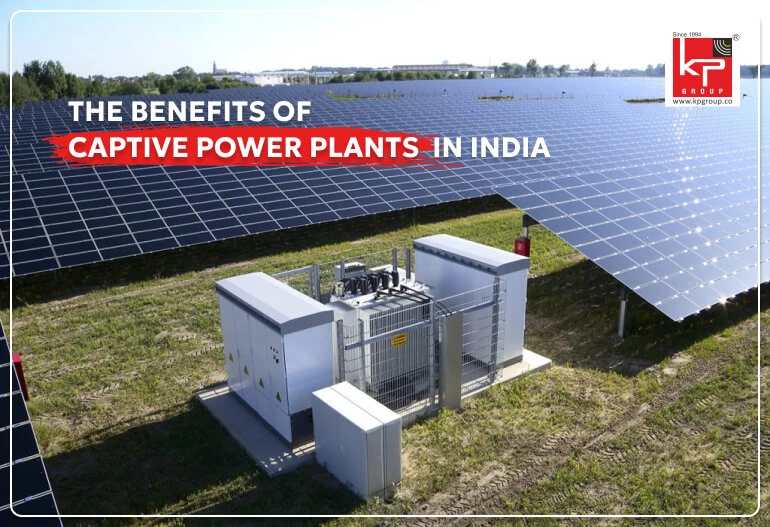

For decades, renewable energy in India was a promise. Solar panels on rooftops, wind turbines in the desert or along the coast. But there was always this problem. Sun does not shine all the time. Wind does not blow on demand. The grid still has to stay stable. That is where battery storage comes in.
Ten years ago, battery storage was mostly a novelty. Only a few pilot projects had it. Now it is becoming essential for any serious Green Energy Company India. There is real engineering logic behind it and some economic sense too.
The Practical Appeal of Battery Energy Storage
Battery energy storage benefits go beyond storing excess energy. Sure, storing energy for later is part of it. But there are other advantages.
First is grid reliability. India’s grid has improved, but it is not perfect. A drop in wind output or a cloudy day affecting solar generation can cause fluctuations. Battery storage smooths this out. It absorbs spikes and releases energy when needed.
Then there is energy arbitrage. Store energy when it is cheap, use it or sell it when prices rise. For a Green Energy Company India, this is a revenue driver. Batteries are flexible. They can be scaled up, moved, or added to hybrid systems without major changes to existing infrastructure.
Why India is Particularly Poised for Battery Storage
India’s energy landscape is unique. Demand is growing fast. Renewable capacity is rising. Transmission networks are still catching up. That gap makes storage very useful.
Solar-heavy states like Rajasthan or Gujarat produce more energy midday than the grid can use. Without storage, some energy is wasted. Batteries capture that excess and release it during evening peak hours. This is happening in several utility-scale projects across the country.
Policies also encourage storage. Incentives may be direct or indirect. Either way, companies that want to stay competitive as a Green Energy Company India are moving toward battery storage.
Not All Batteries Are Created Equal
Not every battery works the same. Lithium-ion is common, but other types like flow batteries, sodium-ion, and solid-state batteries have their uses.
Lithium-ion is good for short-term storage, a few hours. Flow batteries may be better for several days, such as during monsoon fluctuations. Choosing battery storage is not just buying a big pack. It is about strategy, site analysis, and load forecasting. A smart Green Energy Company India matches storage to specific needs.
The Strategic Edge
There is a competitive advantage. Investors and stakeholders favor companies that can deliver consistent energy. A wind farm without storage can generate a lot of energy, but if output is irregular, its value drops. Batteries make energy more predictable. That can lead to better contracts, financing, and higher valuations.
Not every project needs storage yet. But in renewable-heavy microgrids, industrial captive power, or hybrid solar-wind setups, storage becomes central. Companies slow to adopt it can fall behind.
Looking Ahead: Beyond Just Energy
Engineers focus on efficiency, cost per kWh, and battery life. Those matter. But storage is also about resilience, energy independence, and public perception.
Batteries are technical assets but also a statement. In India, where the energy transition is moving fast, showing readiness for the future can be as important as the energy stored.
Investing in battery storage is no longer optional. It affects operations, finances, and market position. Upfront costs or complexity can be challenges, but the benefits are clear. Grid reliability, financial flexibility, and long-term sustainability make it worthwhile.
For a Green Energy Company India, the question is not whether to adopt storage. It is how fast it can be scaled. Companies that wait may end up playing catch-up












Sign in to leave a comment.