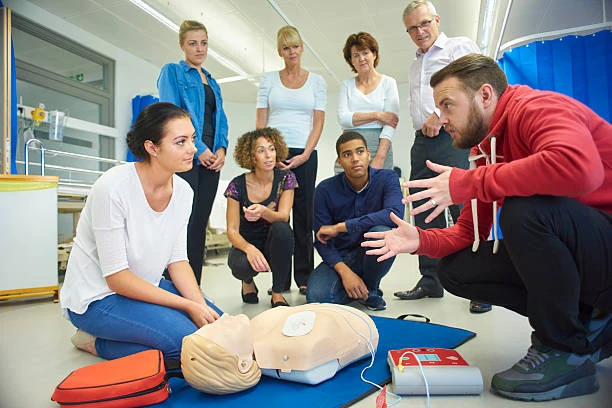

In Australia, workplace safety is more than a compliance requirement; it is part of looking after your people. Accidents and medical emergencies can happen at any time, from construction sites and warehouses to offices and community facilities. Group First Aid Training provides teams with the practical skills and confidence to respond quickly and effectively, reducing the impact of injuries and potentially saving lives. When employees train together, they develop a shared understanding of emergency procedures that supports safer, calmer responses when it matters most.
Australian workplaces operate under strict work health and safety obligations, and employers are expected to take reasonable steps to manage risks. This includes ensuring staff can provide immediate assistance before professional help arrives. Training delivered in a group environment reflects real-life situations, where multiple people are often present and must work together. It also allows trainers to tailor scenarios to specific industries, whether that involves manual handling injuries, machinery incidents, or common medical events such as asthma attacks and cardiac emergencies.
Choosing a reputable provider is essential to ensure training is current, practical, and aligned with nationally recognised standards. Growth Training Group delivers courses designed for Australian conditions, using experienced trainers who understand local regulations and workplace realities. Learning in a group setting encourages discussion, teamwork, and hands-on practice, helping participants build confidence through shared experience rather than passive observation.
One of the key benefits of Group First Aid Training is consistency across a team. When everyone receives the same instruction at the same time, there is less confusion during an emergency. Staff learn clear roles, communication techniques, and step-by-step responses that can be applied immediately. This is particularly valuable in high-risk industries, remote locations, or shift-based environments where quick coordination can make a critical difference before emergency services arrive.
Group training also supports a positive safety culture. Employees who feel prepared are more likely to take responsibility for their own safety and the wellbeing of their colleagues. In an Australian context, where teamwork and looking after your mates are highly valued, this approach strengthens trust and morale. It shows that employers are investing in practical skills, not just ticking boxes, which can improve engagement and retention over time.
From a business perspective, there are efficiency benefits as well. Training staff together reduces downtime compared to sending individuals to separate sessions. It also allows organisations to schedule courses at their own premises, using familiar equipment and layouts to make learning more relevant. When Group First Aid Training is integrated into regular safety planning, it becomes a proactive measure rather than a reactive response to incidents.
Ongoing refreshers are just as important as initial training. Skills can fade if they are not practised, and guidelines may change. Group sessions make it easier to update knowledge collectively and reinforce best practice. Providers like Growth Training Group support this process by offering flexible delivery options that suit different workforce sizes and industries across Australia.
Ultimately, investing in Group First Aid Training is about preparedness, responsibility, and care. It empowers employees to act decisively, supports compliance with Australian WHS requirements, and helps create safer workplaces for everyone. By training together, teams are better equipped to respond when emergencies occur, protecting lives and supporting a culture where safety is a shared priority.






















Sign in to leave a comment.