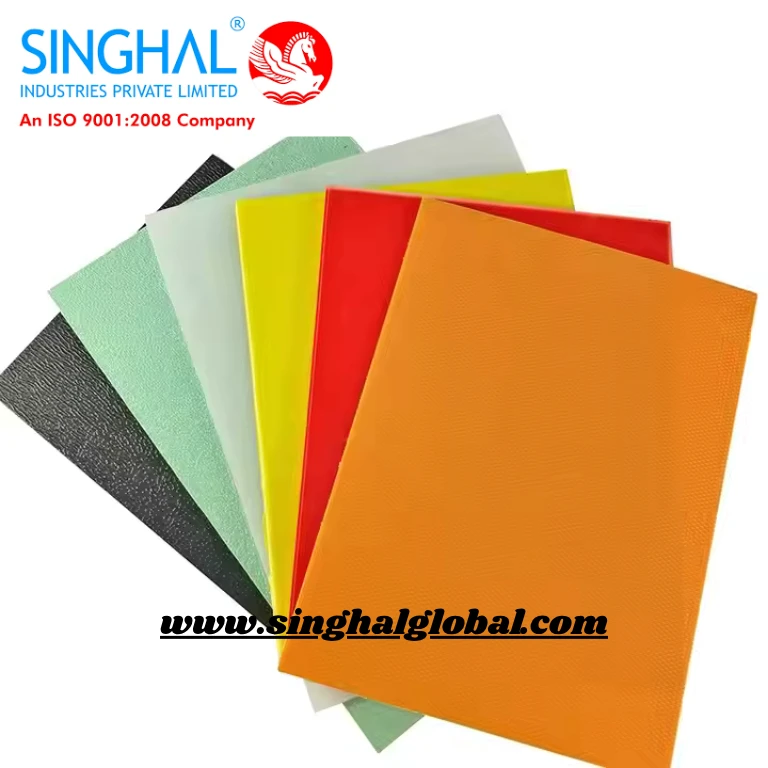
If you’ve ever worked with materials in construction, agriculture, or even just basic DIY projects, chances are you’ve come across HDPE sheets. They’re everywhere—but quietly so. These sheets don’t grab attention like flashy metals or glass, but their performance? That’s what makes them stand out. Whether you're looking for durability, flexibility, or chemical resistance, HDPE sheets black versions especially are known to handle pressure without cracking or warping.
They’ve become one of those behind-the-scenes materials that simply work—day after day, project after project.
What Makes HDPE Sheets So Popular?
HDPE stands for High-Density Polyethylene. That might sound a bit technical, but all it means is you're getting a plastic sheet that's tough, long-lasting, and doesn’t give in easily to wear and tear. From lining pits and tanks to forming structural barriers or partitions, HDPE is known for being both versatile and reliable.
They don’t absorb water, they don’t crack easily under stress, and they resist chemicals like acids and salts. These features make HDPE an ideal pick for everything from packaging to plumbing.
On top of that, HDPE sheets are incredibly easy to cut and weld, which means they can be shaped and adapted for a wide variety of uses.
The Many Colors of HDPE: Why Color Isn’t Just for Looks
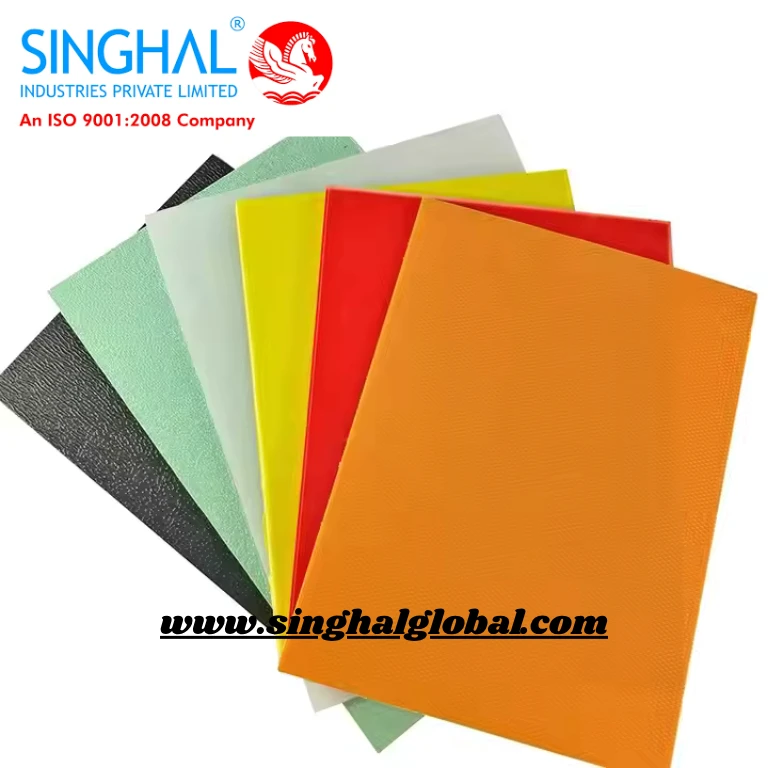
One thing that surprises people is how HDPE sheets come in more than just basic black. You can get them in different colors—each sometimes used for a specific purpose. Of course, black remains the most common, but colored versions are just as tough.
Let’s talk color for a second:
- Black HDPE Sheets: Most commonly used. Blocks UV, hides dirt, and handles heat well.
- White HDPE Sheets: These are preferred in clean environments like food processing or medical spaces where visibility and cleanliness are key.
- Blue HDPE Sheets: Often used in industries like pharmaceuticals or where visual distinction from other materials is necessary.
So, if you’re wondering where a White hdpe sheet might fit in, think hygienic or highly visible environments—places where clarity and sanitation matter as much as strength.
Where Are HDPE Sheets Used?
You’ll find HDPE sheets in places you probably never even thought about. They’re used to:
- Line ponds, canals, or tanks
- Create cutting surfaces in commercial kitchens
- Form partitions or structural walls
- Make playground equipment
- Replace wood in certain marine applications
- Create product packaging or trays
Each industry has its own use for HDPE, and that’s what makes it such a universal material. It’s not just one thing—it’s what you need it to be.
Choosing the Right Type of HDPE Sheet
There’s more to buying HDPE than just picking a color. You’ll need to think about:
- Thickness: The thicker the sheet, the more strength and rigidity.
- Color: Not just for looks—colors can serve specific industry requirements.
- Finish: Smooth for clean surfaces, textured for grip or friction.
- UV resistance: Essential for outdoor projects.
In the middle of all this, you’ll notice that colors like blue are catching on in specialized fields. A blue hdpe sheet, for instance, might be used in places where visibility matters—like labeling different zones in a food plant or identifying pipe systems.
Price vs. Performance: What You Need to Know
HDPE sheets aren’t always the cheapest option upfront, but they almost always pay off over time. They outlast lower-grade plastics, don’t warp or decay easily, and often don’t need replacement for years.
What affects price?
- Thickness and size
- Add-ons like UV protection or anti-slip coatings
- Custom cuts or designs
- Color options (yes, colored sheets can cost a bit more depending on dye used)
You don’t want to overpay, but you also don’t want to cut corners when it comes to material that might form the base of your entire project. If it's exposed to sunlight, water, or rough handling, the better-grade HDPE will save money in the long run—even if the upfront cost is a bit higher.
What About Maintenance?
That’s another area where HDPE really shines. These sheets don’t need much. They’re easy to clean, don’t rust, and don’t absorb anything. Whether it’s rain, oil, or even chemical splashes, a quick wipe-down usually gets the job done. You don’t need special cleaners or treatments either.
That’s why so many industries—from food service to construction—stick with HDPE. Less maintenance equals fewer headaches.
Just Before You Buy
Right before you hit “order,” take a second look at what your project really needs. Do you want the everyday strength of black HDPE, the clean vibe of white, or the visibility and uniqueness of a Blue hdpe sheet? Think about the environment, exposure, and stress factors.
This isn’t a material where "any one will do" fits. A bit of planning here saves trouble down the line.
Conclusion
HDPE sheets aren’t flashy. They don’t get attention for being trendy. But what they do offer is solid, dependable performance across countless applications. Whether you need a rugged outdoor panel, a hygienic surface, or something that won’t wear down after years of use, HDPE delivers. Colored or classic, thick or thin—there’s an option out there that’ll fit just right.
In the long run, the best material isn’t always the one that looks the coolest. It’s the one that lasts the longest, with the least amount of hassle—and HDPE fits that role better than most.
FAQs
1. Who is the largest manufacturer of HDPE sheets in India?
Singhal Industries Pvt Ltd is known as one of the most trusted and largest HDPE sheet manufacturers in India. They offer a wide selection of black, white, and colored HDPE sheets with customization options and consistent quality.
2. Can HDPE sheets be used outdoors?
Yes, absolutely. Especially black HDPE sheets, which contain UV inhibitors, making them suitable for extended outdoor use. Even colored sheets with UV protection can withstand harsh sun and weather conditions without degrading.
3. Are colored HDPE sheets as durable as black ones?
Yes, they are. The durability of HDPE sheets doesn’t change with color—what matters is whether they’re UV-stabilized. As long as the color doesn’t compromise the formulation, blue and white sheets will perform just as well as black ones.


























Sign in to leave a comment.