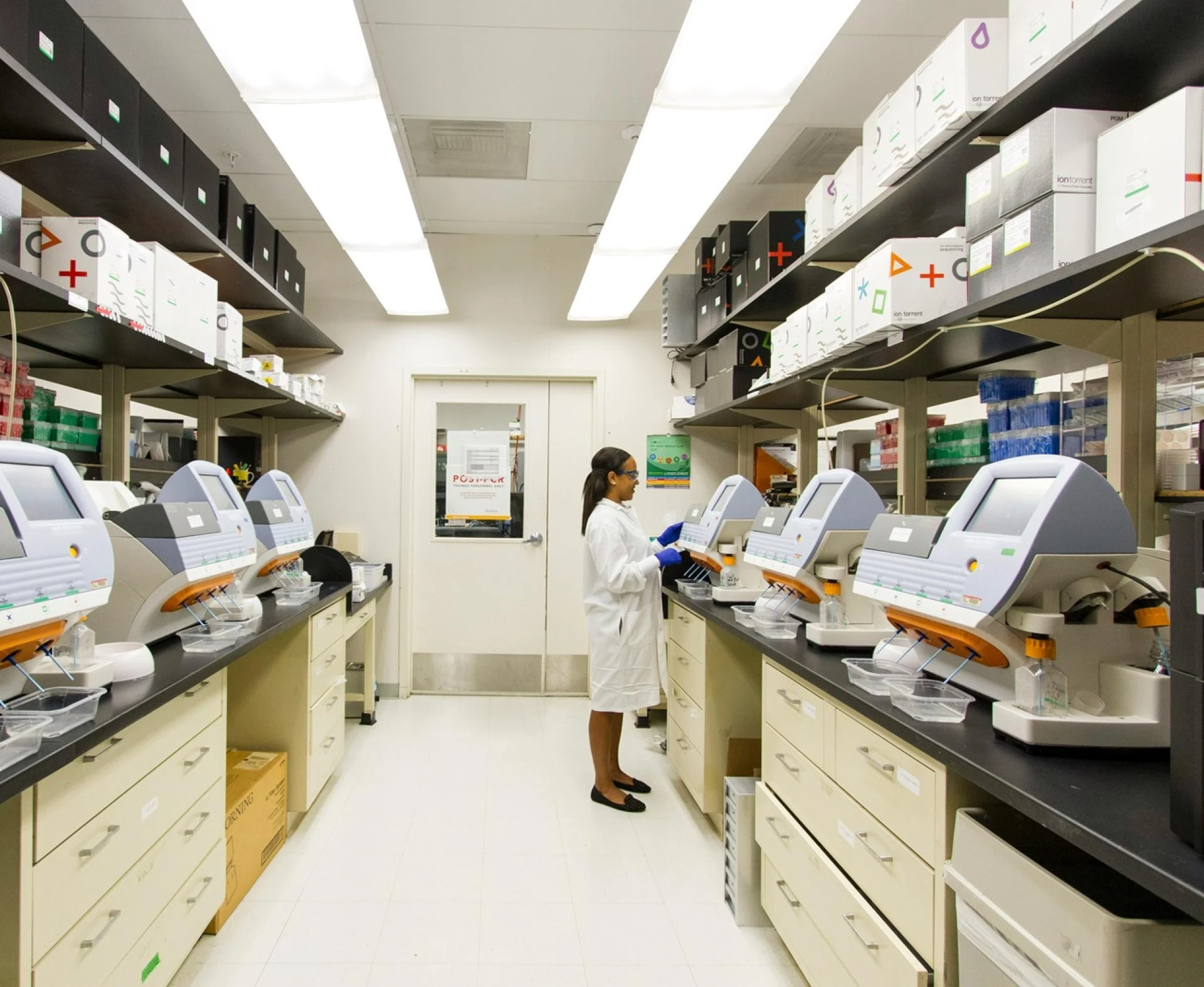

The healthcare landscape is experiencing a digital revolution, with Electronic Medical Records (EMR) systems at its core. Over the past decade, adoption rates have skyrocketed—approximately 78% of office-based physicians now use EMR systems, while hospital adoption has reached nearly 96%.
What Drives This Transformation?
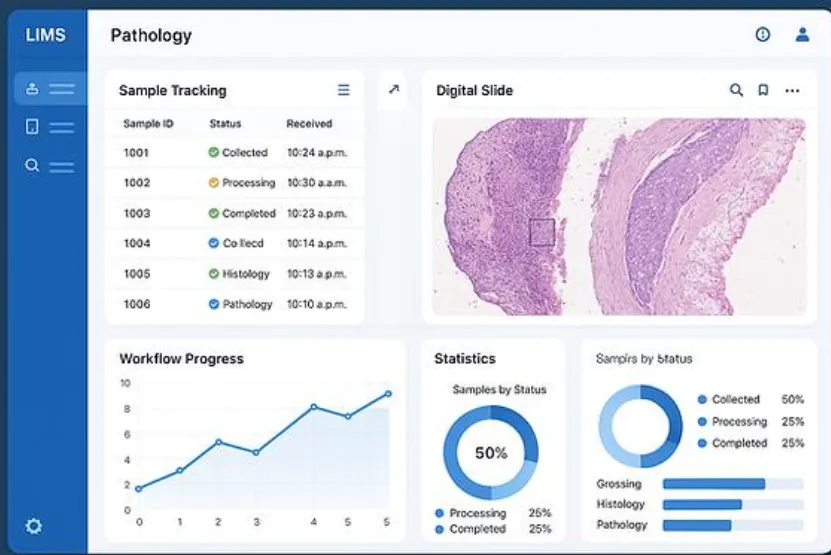
EMR systems fundamentally change how healthcare providers deliver patient care. Unlike paper records stored in filing cabinets, EMRs provide real-time access to comprehensive patient data from any workstation within the practice. This includes everything from medical history and medications to laboratory results and radiology images.
The transition began with regulatory support. The HITECH Act of 2009 allocated over $27 billion to encourage healthcare providers to adopt certified electronic health record technology. This financial backing accelerated what many saw as an inevitable shift toward digitization.
Tangible Benefits That Matter
Healthcare providers who've made the switch report saving approximately 75 minutes per provider per day once staff fully adapt to the system. This efficiency gain allows clinicians to see more patients without extending working hours.
Perhaps more importantly, EMR systems have demonstrated a measurable impact on patient safety. Studies show that medication errors can drop by around 30% after full EMR adoption, thanks to automatic checks for drug interactions and allergies before prescriptions are ordered.
Beyond Individual Practices
EMR systems enable better care coordination across healthcare teams. Primary doctors, specialists, and case managers can access the same information simultaneously, eliminating delays caused by waiting for paper files to be transferred. This shared access proves especially valuable for patients receiving care from multiple providers.
For patients themselves, EMR systems translate to safer care, easier access to their health information through online portals, and greater convenience in booking appointments, requesting prescription refills, and completing intake forms online.
Looking Ahead
The EMR market continues expanding as healthcare organizations worldwide recognize these benefits. With emerging technologies like artificial intelligence and enhanced interoperability on the horizon, EMR systems are positioned to deliver even greater value in the years ahead.
For healthcare practices still relying on paper records, the question is no longer whether to adopt EMR technology, but when and how to implement it effectively.


























Sign in to leave a comment.