
Introduction
India’s road transport system has undergone significant modernization in recent years, with a strong focus on safety, compliance, and vehicle traceability. One of the most important reforms in this direction is the introduction of High Security Registration Plates . These plates are now mandatory for vehicles across the country, replacing the older, easily tampered number plates.
What Are High Security Registration Plates (HSRP)?
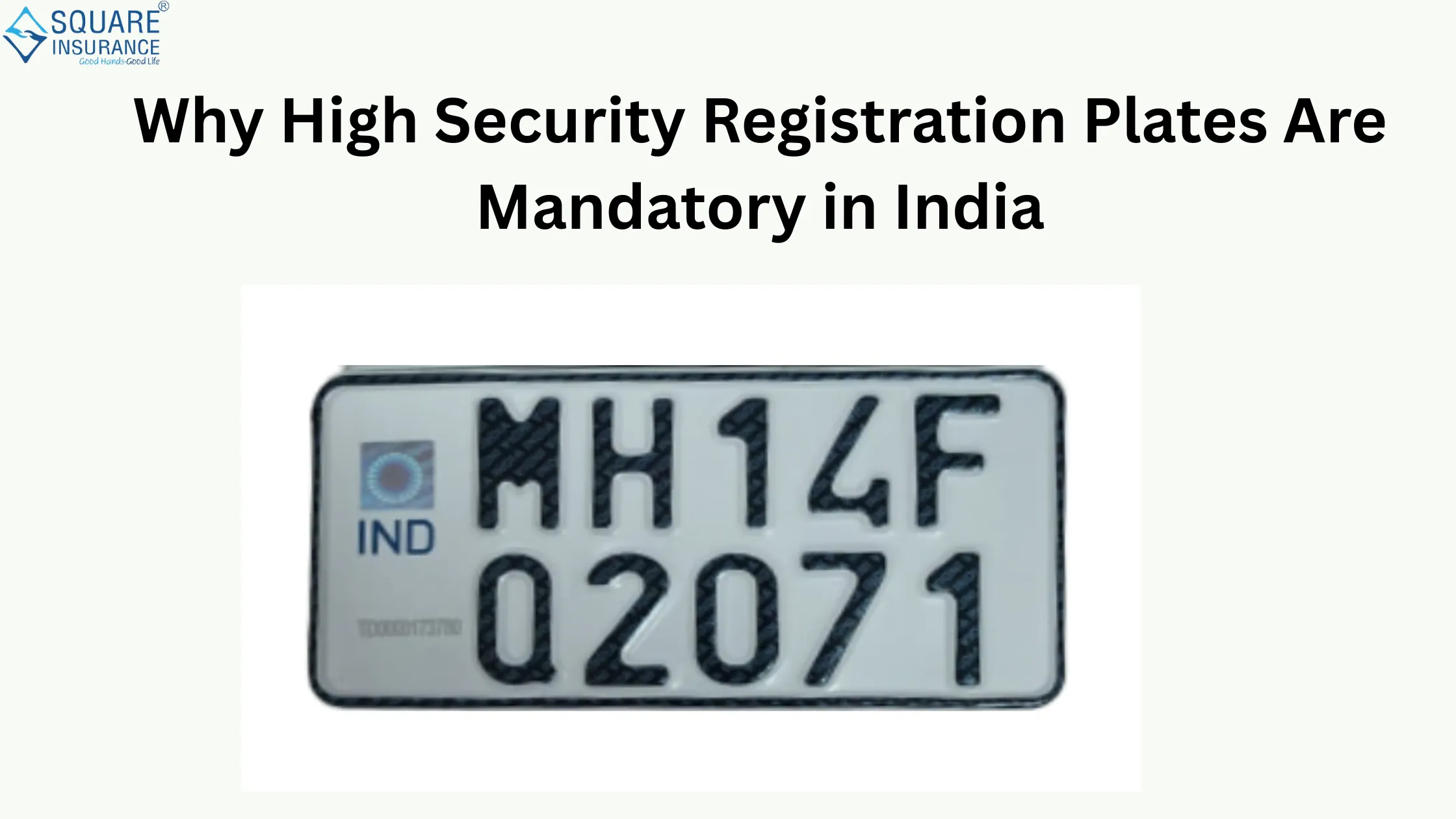
High Security Registration Plates are standardized number plates made of aluminum and designed with advanced security features. They are issued by authorized vendors and installed directly onto the vehicle using a non-removable locking system.
These plates are tamper-proof and come with unique identification elements, ensuring that each vehicle can be accurately tracked and verified.
Key Features of HSRP
Understanding the features of HSRP helps explain why they are mandatory:
1. Laser-Etched Unique Identification Number
Each plate has a unique laser-coded serial number that links directly to the vehicle database.
2. Chromium-Based Hologram
A security hologram is embedded to prevent duplication or counterfeiting.
3. Non-Removable Snap Lock
HSRPs are fixed using special snap locks that prevent easy removal or tampering.
4. Standardized Design
Uniform size, font, and layout ensure consistency across all vehicles in India.
5. Reflective Sheeting
Improves visibility during night driving, enhancing road safety.
Why Are High Security Registration Plates Mandatory?
The government has made HSRP compulsory for several important reasons:
1. Prevent Vehicle Theft and Cloning
One of the primary reasons for introducing HSRP is to reduce vehicle theft and cloning. Traditional number plates could easily be duplicated, making it difficult for authorities to track stolen vehicles.
With HSRP:
- Each plate is uniquely identifiable
- Tampering becomes extremely difficult
- Fake number plates can be detected easily
2. Improve Road Safety and Law Enforcement
HSRPs help traffic authorities monitor vehicles more effectively. The standardized format ensures better readability for:
- Traffic cameras
- Speed monitoring systems
- Toll collection systems
This improves enforcement of traffic rules and reduces violations.
3. Ensure Uniformity Across the Country
Before HSRP implementation, number plates varied widely in design and format. This lack of uniformity created confusion and enforcement challenges.
HSRP ensures:
- Standard design nationwide
- Easy identification of vehicles
- Improved database management
4. Strengthen Digital Vehicle Records
HSRP is directly linked to centralized vehicle databases, enabling authorities to:
- Track vehicle ownership
- Monitor registration details
- Identify violations quickly
This integration supports India’s move toward digital governance in the transport sector.
5. Enhance National Security
Vehicle misuse in criminal activities has been a major concern. HSRPs make it easier for law enforcement agencies to trace vehicles involved in illegal activities.
The tamper-proof design and unique identification help strengthen national security systems.
Legal Requirement for HSRP in India
The Ministry of Road Transport and Highways has made HSRP mandatory for:
- All vehicles sold before April 2019
- All new vehicles (already fitted by manufacturers)
Failure to install HSRP can result in:
- Fines and penalties
- Rejection during vehicle inspections
- Issues during insurance claims
Compliance is not optional—it is a legal obligation.
Penalties for Not Having HSRP
Vehicle owners who fail to install High Security Registration Plates may face:
- Monetary fines under traffic rules
- Additional penalties during repeated violations
- Problems during resale or ownership transfer
- Possible rejection during document verification
Timely installation helps avoid unnecessary legal complications.
Cost of HSRP in India
The cost of HSRP varies depending on vehicle type:
- Two-wheelers: Approx. ₹300 to ₹500
- Four-wheelers: Approx. ₹600 to ₹1,500
This is a one-time cost that ensures long-term compliance and security.
Role of HSRP in Vehicle Insurance (Expert Insight)
From an insurance perspective, High Security Registration Plates play an important role in risk assessment and claim validation.
Key Benefits:
- Reduces fraud related to vehicle identity
- Helps insurers verify vehicle authenticity
- Supports faster claim processing
- Minimizes disputes in theft cases
Common Misconceptions About HSRP
1. It is Optional
Reality: HSRP is mandatory under government regulations.
2. It is Only for New Vehicles
Reality: Older vehicles must also install HSRP.
3. It Has No Insurance Impact
Reality: It indirectly supports claim validation and reduces fraud.
4. It is Expensive
Reality: The cost is minimal compared to the benefits it provides.
Best Practices for Vehicle Owners
To stay compliant and avoid penalties:
- Install HSRP through authorized vendors
- Avoid duplicate or fake plates
- Keep registration details updated
- Ensure plate is not damaged or altered
- Verify installation quality
Taking these steps ensures long-term compliance and safety.
Conclusion
High Security Registration Plates are not just a regulatory requirement—they are a major step toward improving road safety, preventing vehicle fraud, and strengthening law enforcement in India.
By making HSRP mandatory, the government has created a more secure and transparent vehicle identification system that benefits both authorities and vehicle owners.
Along with installing HSRP, having the right insurance coverage is equally important for complete protection. Platforms like Square Insurance help vehicle owners choose suitable insurance policies that align with legal requirements and provide financial security against unforeseen risks.
FAQ
1. What is an HSRP number plate?
It is a tamper-proof, standardized number plate with advanced security features.
2. Is HSRP mandatory in India?
Yes, it is mandatory for both new and older vehicles.
3. What happens if I don’t install HSRP?
You may face fines, penalties, and legal issues.
4. How much does HSRP cost?
It typically costs between ₹300 and ₹1,500 depending on the vehicle.
5. Does HSRP affect insurance claims?
Yes, it helps in vehicle verification and reduces fraud during claims.


























Sign in to leave a comment.