
The gaming industry continues to introduce fresh ideas that challenge players in unexpected ways. While action-packed adventures and competitive multiplayer titles remain popular, a growing number of gamers are becoming interested in experiences that focus on observation, decision-making, and psychological pressure. Horror inspection games have emerged as one of the most distinctive genres because they transform simple tasks into tense and memorable challenges.
Unlike traditional horror titles that rely heavily on monsters, weapons, or escape sequences, inspection-based horror games create suspense through uncertainty. Players are often placed in positions of responsibility where every choice matters. The fear does not come from what is visible but from what might be hiding in plain sight. This approach creates an atmosphere where concentration becomes just as important as courage.
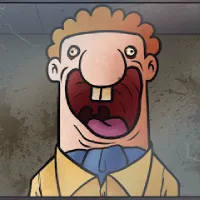
One of the strongest examples of this genre is That’s Not My Neighbor APK, a game that introduces players to a world where danger can wear a familiar face. The player takes on the role of a building guard during a period when mysterious doppelgangers are attempting to infiltrate residential buildings by pretending to be ordinary residents. The objective appears simple at first, but the deeper players progress, the more challenging the task becomes.
Every visitor arriving at the building presents identification documents and personal information. It is the guard’s responsibility to compare names, photographs, apartment numbers, and other important details before granting entry. While some visitors are genuine residents, others are dangerous imposters trying to gain access through deception. Spotting the difference is the key to survival.
The brilliance of this gameplay structure lies in its simplicity. There are no complicated combat systems to learn and no extensive tutorials required. Instead, players rely on observation and logic. Each inspection feels meaningful because even the smallest mistake can have serious consequences. Missing an incorrect date, overlooking a suspicious facial feature, or ignoring a mismatched apartment number could allow a threat to enter the building.
As players become more familiar with the verification process, the game begins introducing additional challenges. Fake residents become increasingly convincing, making it harder to distinguish them from legitimate tenants. Documents may contain subtle inconsistencies, and visual clues become less obvious. This gradual increase in difficulty keeps the experience engaging while encouraging players to sharpen their attention to detail.
The concept of doppelgangers plays a major role in maintaining tension throughout the game. These entities are designed to imitate real people, making every interaction feel uncertain. A visitor may appear completely normal at first glance, but closer inspection often reveals something unusual. Perhaps a photograph does not perfectly match the person standing at the entrance, or perhaps a document contains information that does not align with building records. Identifying these irregularities becomes increasingly difficult as the game progresses.
One reason why players find this experience so compelling is the constant feeling of responsibility. Every person waiting outside the building depends on the player's judgment. Approving an imposter can create dangerous consequences, while denying an innocent resident entry may create entirely different problems. This balance forces players to think carefully before making decisions.
The psychological aspect of the game is particularly effective because fear develops naturally from uncertainty. Rather than relying on continuous jump scares, the game creates anxiety through anticipation. Players know that danger exists somewhere among the visitors, but they never know exactly who poses a threat. This lingering doubt keeps tension high during every inspection.
Another appealing feature is the satisfaction that comes from successfully identifying a well-disguised imposter. Finding a hidden inconsistency after careful examination feels rewarding because it demonstrates the player's growing skill and awareness. The game consistently rewards patience and attention rather than quick reactions.
The visual presentation also contributes significantly to the atmosphere. Character designs, facial expressions, and environmental details work together to create an unsettling mood. Even during moments when nothing obviously threatening is happening, the environment maintains a sense of discomfort that encourages players to remain alert.
Many gamers appreciate this style of horror because it feels different from traditional approaches. Instead of running away from threats, players confront danger through careful analysis. Success depends on intelligence and observation rather than physical skill. This creates a unique experience that appeals to fans of both horror and puzzle-solving gameplay.
The replay value remains strong because no inspection feels completely routine. Players often discover new details, improve their accuracy, and challenge themselves to perform better with each session. The desire to avoid mistakes and uncover every deception encourages repeated playthroughs.
As the gaming industry continues to explore innovative concepts, horror inspection games demonstrate that suspense can be created through logic as effectively as through action. The combination of investigation, decision-making, and psychological pressure offers a refreshing alternative to more conventional genres. For players who enjoy testing their attention to detail while experiencing constant tension, this style of gameplay delivers an experience that remains memorable long after the session ends.




























Sign in to leave a comment.