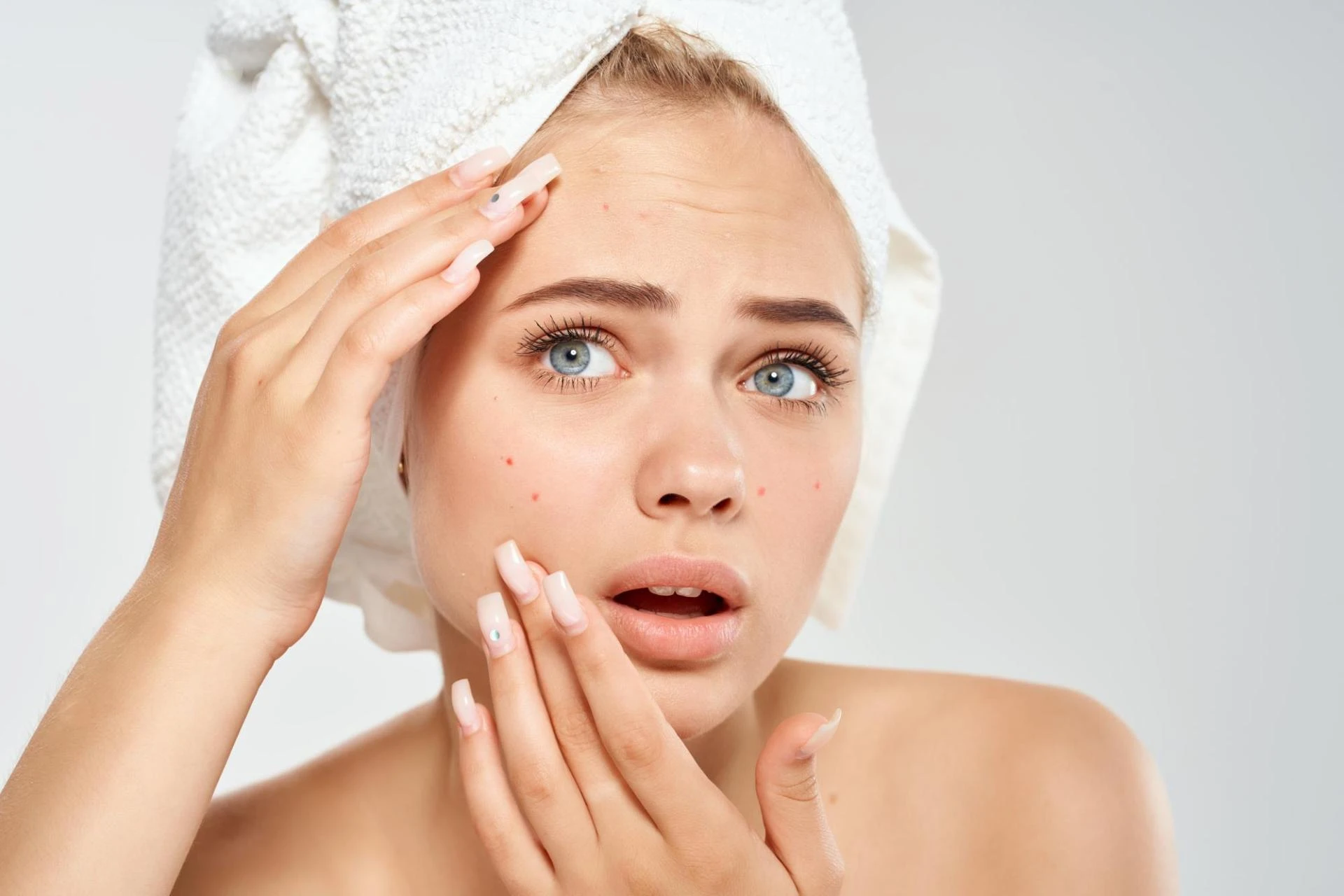

You're getting dressed one morning and notice a patch of skin that looks lighter than the rest alost as if the color has been quietly drained away. It might be small, irregular, or perfectly round. And your first instinct is probably: What is that, and should I be worried?
White spots on the skin are more common than most people realize, and the good news is that the vast majority of them are harmless. But understanding what's behind them can help you make smarter decisions about your skin and when to see a doctor.
Why Does Skin Lose Its Color?
Skin gets its color from melanin, a pigment produced by cells called melanocytes. When some hing disrupts the production or distribution of melan in whether it's a fungal infection, sun dam ge, genetics, or an autoimmune reaction you end up with lighter or depigmented patches.
The tricky part? Several different conditions can cause almost identical-looking spots. That's why it's worth knowing the most common culprits.
Common Causes of White Spots
1. Tinea Versicolor
This is one of the most frequent causes, especially in warm, humid climates. It's a fungal infection caused by an overgrowth of Malassezia, a yeast that naturally lives on the skin. When it multiplies too rapidly, it interferes with melanin production, creating scaly, discolored patches often on the back, chest, neck, and upper arms.
The spots may appear white on darker skin tones, and pinkish or tan on lighter skin. They can also be mildly itchy and tend to become more noticeable after sun exposure.
2. Vitiligo
Vitiligo is an autoimmune condition where the immune system mistakenly attacks melanocytes. The result is stark, milky-white patches that can appear anywhere on the body including the face, hands, and around body openings like the mouth and eyes.
Unlike tinea versicolor, vitiligo patches have sharp, well-defined edges. They don't cause itching or pain, but they can spread over time. While vitiligo affects about 1–2% of the global population, its emotional impact particularly for people with darker skin tones can be significant.
3. Pityriasis Alba
Commonly seen in children and teenagers, pityriasis alba presents as dry, faintly scaly, pale patches usually on the face, arms, or upper body. It's often associated with eczema and tends to appear after sun exposure because the surrounding skin tans while the affected areas don't.
It's not contagious, not harmful, and typically fades on its own as the child ages though moisturizing and gentle sun protection can speed that along.
4. Idiopathic Guttate Hypomelanosis
This one sounds intimidating but is simply the medical name for small, white spots caused by chronic sun exposure over the years. They're extremely common in adults over 40 and tend to appear on the shins, forearms, and other sun-exposed areas.
Think of them as a kind of skin memory a record of years spent outdoors. They're completely harmless but serve as a good reminder that sunscreen is always a smart investment.
5. Milia and Post-Inflammatory Changes
Occasionally, what appears to be a white spot is actually a milium (a small keratin cyst just under the skin surface) or post-inflammatory hypopigmentation lighter patches left behind after an injury, burn, or inflammatory skin condition like acne has healed.
Treatment Options
How you treat white spots depends entirely on what's causing them.
For Tinea Versicolor:
Antifungal treatments work well here. Topical options like selenium sulfide shampoo, ketoconazole cream, or zinc pyrithione can clear the infection within a few weeks. In stubborn cases, oral antifungal medication may be prescribed. Keep in mind that even after treatment, even skin tone may take months to fully restore.
For Vitiligo:
There's no single cure, but several treatments can help. Topical corticosteroids and calcineurin inhibitors can slow or partially reverse depigmentation. Narrowband UVB phototherapy is currently one of the most effective options. Newer treatments including the JAK in ibitor ruxolitinib cream have shown real promise for repigmentation in clinical trials. Sun protection is also critical to prevent further contrast between affected and unaffected skin.
For Pityriasis Alba:
This usually resolves on its own, but a gentle moisturizer and low-potency hydrocortisone cream can reduce dryness and inflammation. Daily SPF helps even out skin tone over time.
For Sun-Induced Spots:
Prevention is the best treatment here. If you're bothered aesthetically, dermatologists can discuss options like topical retinoids, chemical peels, or laser therapy.
Uneven skin tone can show up in many ways — if you've noticed lighter patches, find out what's behind them in our guide on White Spots on The Skin: Causes And Treatments.
When to See a Dermatologist
Most white spots are benign, but it's worth getting a professional opinion if the spots are spreading rapidly, appear after a skin injury that won't heal, are accompanied by itching, pain, or unusual texture, or if you simply aren't sure what you're looking at.
A dermatologist can usually diagnose the cause quickly sometimes with a Wood's lamp (a special UV light) or a skin scraping and point you toward the most effective treatment for your specific situation.
White spots don't have to be a source of anxiety. A little knowledge, and the right care, goes a long way.
Always consult a qualified dermatologist before starting any treatment for skin conditions.




























Sign in to leave a comment.