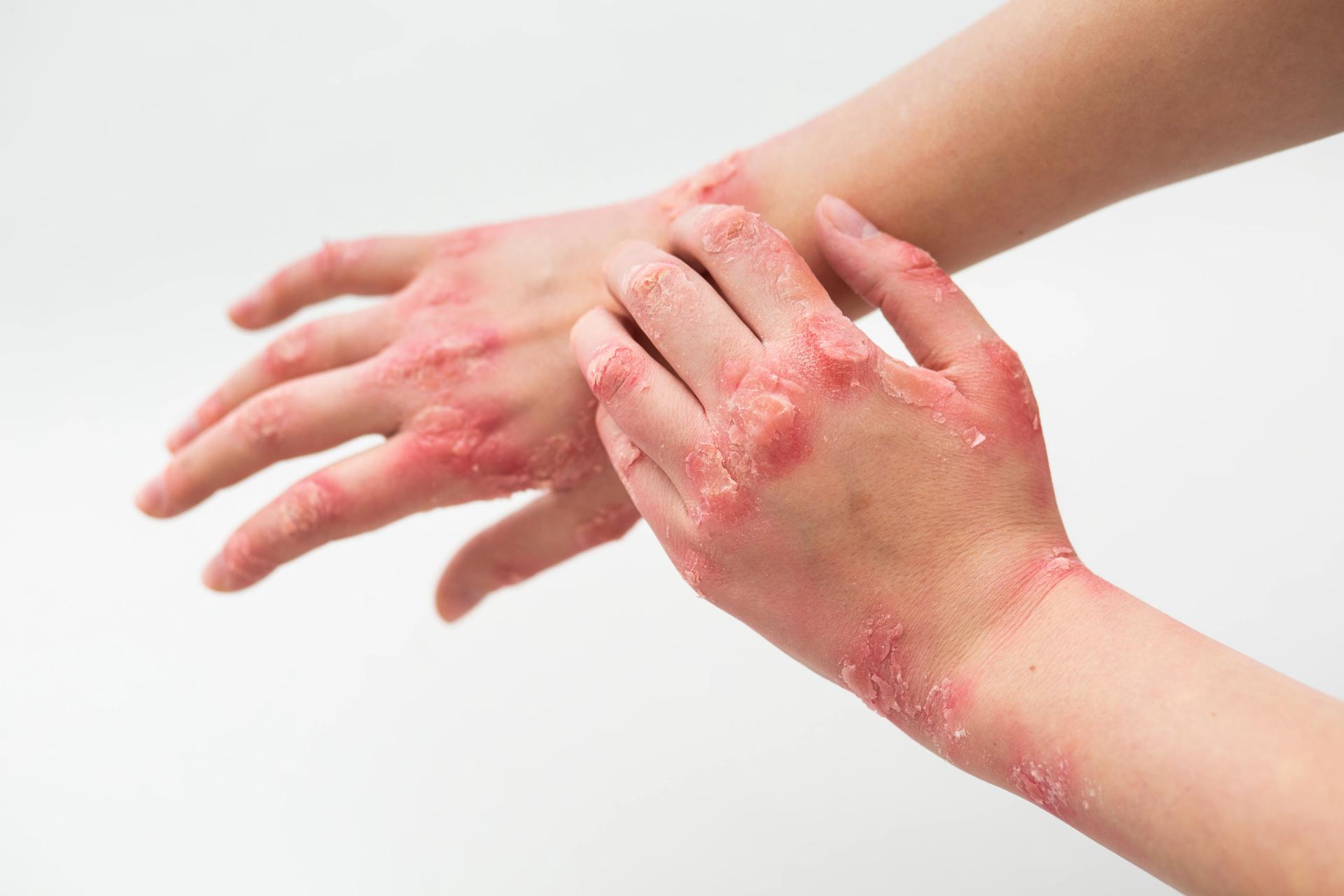

One in three people will get shingles in their lifetime. Most have no idea what hit them — until it's too late to treat it effectively.
It starts subtly a tingling, a strange sensitivity on one side of your torso, a feeling that something is off. Then the rash arrives, wrapping around your body like a hot red belt. If this sounds familiar, you may be dealing with herpes zoster, the medical name for shingles.
Herpes zoster treatment works best when started within 72 hours of the rash appearing which is exactly why recognising the warning signs early can make an enormous difference in how sick you get and how long you suffer.
What Is Herpes Zoster, ![That Burning Stripe on Your Skin Isn't Just a Rash- It Might Be Shingles]() Really?
Really?
Shingles is caused by the varicella-zoster virus the same virus responsible for chickenpox. After your childhood chickenpox infection clears, the virus doesn't leave. It retreats into nerve tissue near your spinal cord and brain, lying dormant for decades. Then, often triggered by stress, illness, or age-related immune decline, it reactivates this time not as chickenpox, but as shingles.
The result: a painful, blistering rash that almost always appears on just one side of the body, following the path of a nerve. It can show up on the torso, face, neck, or even around the eye the last of which is a medical emergency.
Symptoms to Watch For
The tricky part is that shingles often announces itself before any rash appears. In the prodromal phase typically two to four days before blisters form you might notice:
- Burning, stabbing, or shooting pain in a localised area
- Unusual skin sensitivity or itching on one side of the body
- Headache, fever, or fatigue
- Light sensitivity
Once the rash appears, it typically progresses from red patches to fluid-filled blisters, which break open, crust over, and heal within two to four weeks. The pain, however, can linger far longer.
Important: If the rash appears near your eye, ear, or affects your face, seek medical attention immediately. Shingles near the eye (herpes zoster ophthalmicus) can cause vision loss if untreated.
Treatment Options That Actually Help
There is no cure for herpes zoster, but treatment can significantly reduce the severity, speed up recovery, and lower the risk of complications.
Antiviral medications are the cornerstone of shingles treatment. Drugs like acyclovir, valacyclovir, and famciclovir work by slowing viral replication. They don't eliminate the virus, but they shorten the duration of the outbreak and reduce pain provided they're taken early. Starting antivirals within 72 hours of rash onset is critical; after that window, their effectiveness drops substantially.
Pain management is equally important. Over-the-counter options like ibuprofen or paracetamol help with mild discomfort. For more severe pain, doctors may prescribe stronger medications, nerve-pain drugs like gabapentin or pregabalin, or even short-term corticosteroids.
Topical treatments calamine lotion, cool compresses, and capsaicin cream (once blisters have healed) can ease surface-level discomfort and reduce itching.
The Complication You Most Need to Avoid
The most common and debilitating complication of shingles is postherpetic neuralgia (PHN) — a condition where nerve pain persists for months or even years after the rash has cleared. It affects roughly 10–15% of shingles patients and is notoriously difficult to treat. Older adults and those with severe initial pain are at greatest risk. Early antiviral treatment is currently the most effective strategy for preventing PHN.
Prevention: The Smarter Play
If you're over 50, the most powerful thing you can do is get vaccinated. The Shingrix vaccine is over 90% effective at preventing shingles and even more effective at preventing PHN. It's recommended for healthy adults over 50 even those who've already had shingles and requires two doses given two to six months apart.
Shingles is not something to wait out. Caught early and treated aggressively, most people recover fully. Ignored, it can mean months of nerve pain that no pill reliably fixes. Know the signs, act fast, and if you're eligible get the vaccine before it ever gets the chance.


























Sign in to leave a comment.