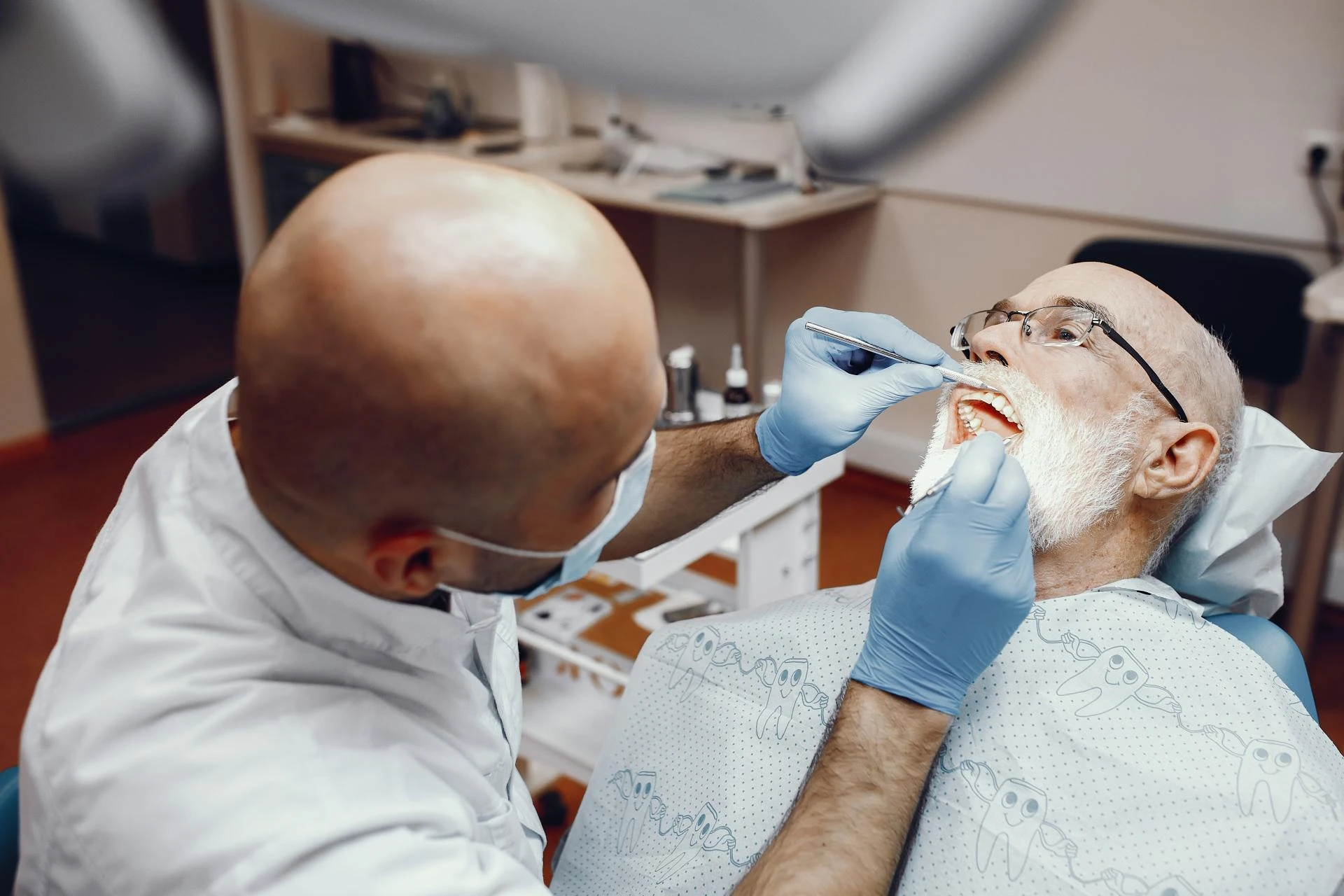

No sugarcoating. No scare tactics. Just what patients actually need to know before their procedure.
You've been told you need a Bone graft before your implant and suddenly, that straightforward tooth replacement feels a lot more complicated. The words "bone graft" have a way of making people cancel appointments before they've even asked a single question. So let's change that.
The truth is: most people who've been through a bone graft say the fear was far worse than the actual experience. But understanding exactly what happens, when you'll feel discomfort, and how to recover well makes all the difference. Here's everything broken down clearly.
Why Is a Bone Graft Even Needed?
🦴 What It Actually Is
When a tooth is missing for a while, the jawbone underneath starts to shrink. A bone graft rebuilds that lost volume so there's a solid foundation for your implant to anchor into. Without enough bone, the implant simply won't hold.
📋 Types of Bone Graft Material
Your own bone (autograft), donor bone (allograft), animal-derived bone (xenograft), or synthetic materials each works differently and your dentist will choose based on how much volume is needed.
Is the Procedure Itself Painful?
During the procedure no. You'll be under local anaesthesia, which numbs the area completely. Many patients describe feeling pressure or movement, but not pain. Some procedures are done under IV sedation, meaning you won't remember much at all.
The real question is what happens after the anaesthesia wears off. That's where honest expectations matter.
Pain Levels What Patients Typically Report
- During procedure Minimal (numb)
- Days 1–3 post-op Moderate (manageable with meds)
- Week 2 onward Mild soreness only
- Pain experience varies by graft size, location, and individual healing.
The Recovery Timeline Day by Day
Day 1–2 Swelling & Numbness Fading
Expect soreness as anaesthesia wears off. Swelling peaks around day 2. Ice packs (20 mins on/off) and prescribed painkillers manage this well. Rest is non-negotiable.
Day 3–5 Swelling Starts to Subside
Most patients feel significantly better by day 4. Soft foods, no straw use, and gentle rinsing with saline help the healing site stay clean and protected.
Week 2 Back to Near-Normal
Most people resume normal activity. Mild sensitivity may linger. Your dentist checks healing at this stage.
3–9 Months Bone Integrates Implant Placed
The graft fuses with your natural bone, creating the solid base needed. Once confirmed on X-ray, your implant surgery is scheduled.
⚠️Call Your Dentist If You Notice:
Fever above 38°C, pain that worsens after day 3 (not improves), pus or unusual discharge, or the graft material visibly dislodging. These are signs of possible infection early treatment matters.
Common Patient Questions Answered Directly
Can I go to work the next day?
Most patients take 1–3 days off. If your job is desk-based, day 2 is often manageable. Physical jobs need a full week minimum.
Is bone grafting always necessary for implants?
Not always. If enough bone exists, the implant goes in directly. Your dentist confirms this with a 3D CBCT scan before any treatment plan is finalised.
What can I eat during recovery?
Soft foods for the first week yoghurt, smoothies (no straw), mashed potato, soups. Avoid hard, crunchy, or spicy foods near the surgical site.
How much does bone grafting cost?
Typically ranges from ₹8,000– ₹40,000 in India depending on graft type and extent. Some dental insurance plans partially cover it
Tips to Heal Faster
🚭 No Smoking
Smoking is the #1 cause of graft failure. Even vaping disrupts blood supply to the healing site.
💊 Take All Medications
Finish antibiotics fully even if you feel fine. Stopping early risks infection.
🧊 Ice Early
First 24 hours only. Ice reduces swelling heat makes it worse at this stage.
🍽 Eat Protein
Protein speeds tissue repair. Eggs, paneer, dals, and soft fish are great options.
🪥 Gentle Rinsing Only
No vigorous swishing for 48 hours it can dislodge the blood clot protecting the site.
📋 Keep All Follow-Ups
Your dentist monitors integration. Missing check-ins means catching problems late. Bone grafting has a very high success rate over 95% when patients are healthy non-smokers who follow post-op instructions. The procedure sounds daunting on paper, but for most people, it becomes a non-event within a week. The implant waiting on the other side of recovery is permanent, reliable, and completely worth it.
Explore further- https://zerunio.com/
























Sign in to leave a comment.