

Once known only as an antiparasitic, ivermectin has quietly become one of dermatology's most interesting tools and most people have no idea.
If someone mentioned Ivermectin a decade ago, you'd picture livestock medication not a cream your dermatologist might actually prescribe. But that's exactly what's happened. Topical iverectin has earned a legitimate, growing place in skin care medicine, and the evidence behind it is worth understanding.
This isn't about controversy or off-label hype. It's about a drug with a well-documented mechanism that, when used correctly and under proper guidance, has shown real results for specific skin conditions. Here's the clear-eyed breakdown.
Quick context: Ivermectin works by disrupting the nerve and muscle function of parasites and certain mites. For skin conditions, it's primarily used in a 1% topical cream form very different from oral formulations that made headlines for other reasons.
🔬What Skin Conditions Is It Used For?
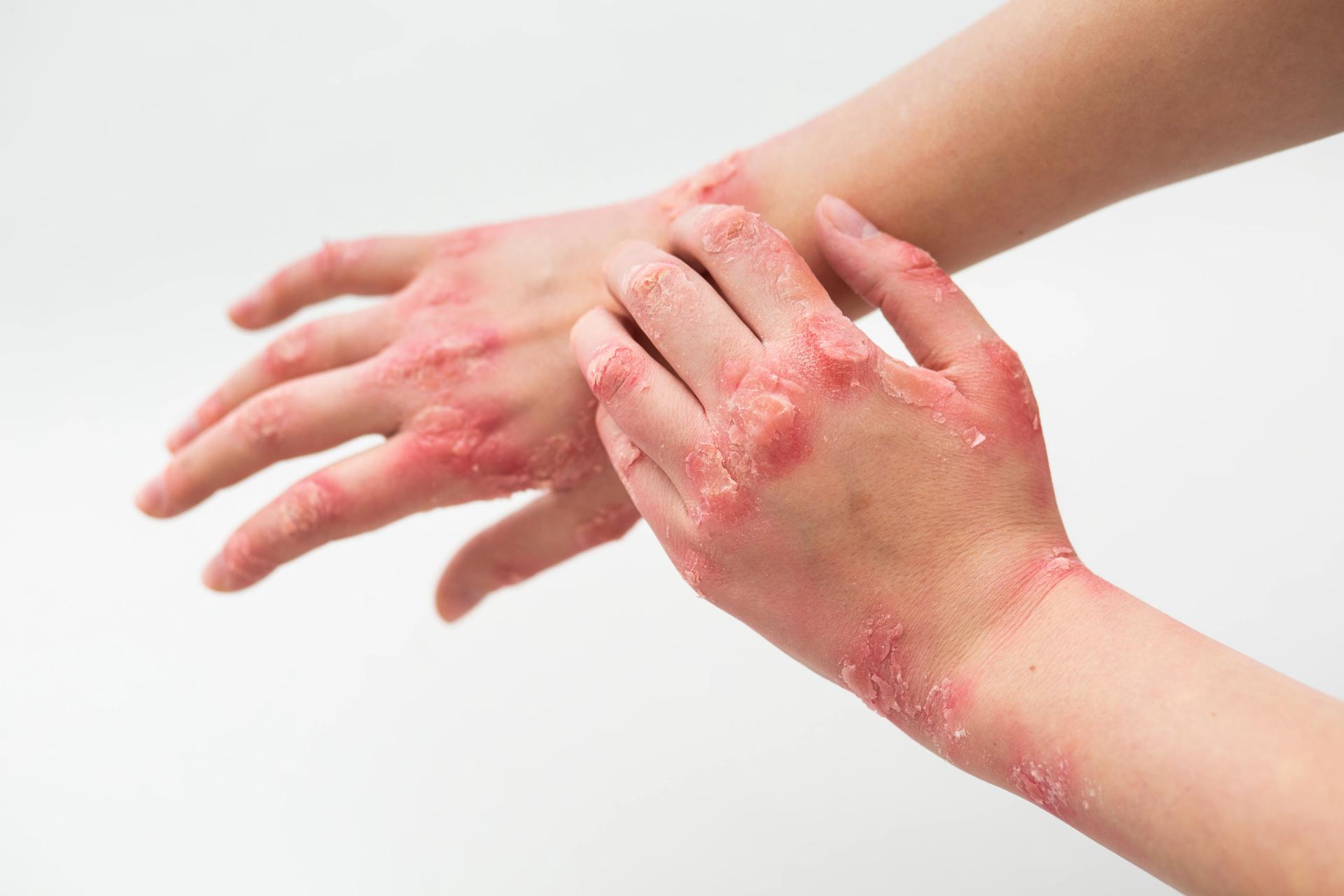
Dermatologists primarily reach for topical ivermectin in a handful of well-studied scenarios. Each has its own evidence base and its own reason why ivermectin specifically makes sense.
🌹Rosacea: Reduces inflammatory lesions and facial redness FDA-approved for this use since 2014. One of its most validated applications.
🦠Demodex Mites: Targets the Demodex folliculorum mites living in facial pores linked to chronic skin inflammation and blepharitis.
😣Scabies: Oral ivermectin is a go-to treatment for scabies particularly in cases that resist topical permethrin or involve widespread infestation.
🔴Head Lice: A topical lotion formulation is approved for head lice in patients 6 months and older effective in a single application.
“The skin is not just a barrier it's an ecosystem. Ivermectin works because it targets specific disruptors in that ecosystem, not the skin itself.”
✅The Real Benefits
What makes ivermectin interesting in dermatology isn't just that it works it's how it works without many of the drawbacks of older treatments. For rosacea specifically, studies have shown it reduces both the count of inflammatory papules and the overall redness that patients find most distressing, often outperforming traditional azelaic acid in head-to-head trials.
For scabies, oral ivermectin changed the game for patients dealing with crusted (Norwegian) scabies or those in institutional settings where topical treatment compliance is difficult. A single dose sometimes two can clear an infestation that topical treatments have struggled to control.
The anti-inflammatory properties are an added bonus. Beyond killing mites, ivermectin appears to reduce the inflammatory cascade those mites trigger meaning it addresses both cause and symptom simultaneously, which is relatively rare in dermatology.
⚠️Precautions You Shouldn't Skip
⚠ Before You Use Ivermectin for Skin
- Always see a dermatologist first. Self-diagnosing rosacea vs. other facial redness conditions is harder than it sounds.
- Don't confuse topical and oral forms. They have different applications, dosages, and risk profiles entirely.
- Pregnancy caution: Oral ivermectin is generally avoided during pregnancy. Topical use should also be discussed with your doctor.
- Not for eye contact. Avoid applying near the eyes this applies even to rosacea treatments targeting the central face.
- Drug interactions matter. Oral ivermectin can interact with blood thinners and certain other medications.
Results take time. For rosacea, expect 8–12 weeks before full benefit is visible. Patience is part of the protocol.
💡The Bottom Line
Ivermectin's journey from antiparasitic to dermatology staple is one of medicine's quieter success stories. For the right patient with the right condition particularly rosacea driven by Demodex mites, or a stubborn case of scabies it offers a targeted, evidence-backed option that older treatments simply can't match.
The key word, though, is right patient. This isn't a cream to grab off the shelf or a treatment to pursue based on a Reddit thread. Used correctly, under proper medical supervision, it can genuinely improve quality of life for people who've been struggling with persistent skin issues. Used carelessly, it adds another layer of frustration to an already difficult journey.
Talk to a dermatologist. Get a proper diagnosis. Then ask whether ivermectin belongs in your treatment plan because for some people, it absolutely does.
Want the Full Deep-Dive?
Our complete guide covers dosage, clinical studies, rosacea subtypes, and exactly what to ask your dermatologist before starting treatment. Read More On Zerunio.com























Sign in to leave a comment.