Customer experience can make or break a SaaS company. With countless options available, users today stay loyal only to brands that genuinely listen and act on their feedback. That's why NPS is important and becomes a crucial question. The Net Promoter Score (NPS) helps SaaS businesses understand user satisfaction and drive continuous improvement based on real insights.
Understanding What NPS Means for SaaS Companies
The Net Promoter Score (NPS) is more than just a survey metric—it’s a direct reflection of customer loyalty. It’s calculated by asking one simple question: “How likely are you to recommend our product to others?”
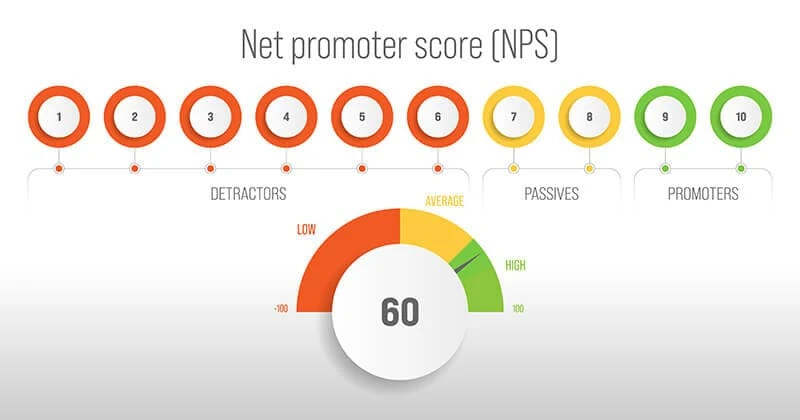
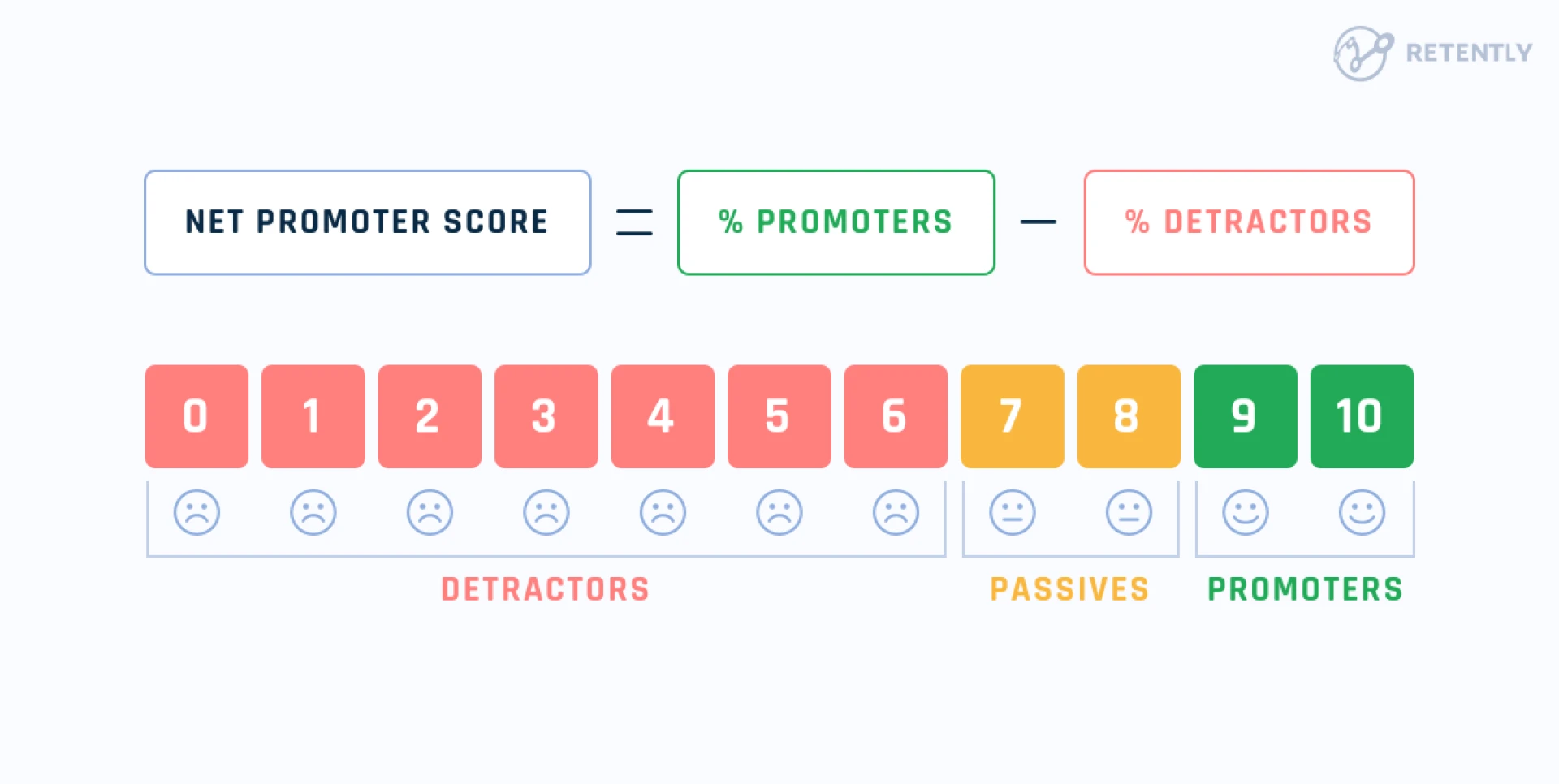
The responses, scored from 0 to 10, categorize users into:
- Promoters (9–10): Highly satisfied customers who are likely to refer to your product.
- Passives (7–8): Users who are neutral but could easily switch to a competitor.
- Detractors (0–6): Unhappy customers who might discourage others from trying your product.
For SaaS companies, this data provides a real-time snapshot of user sentiment—something essential for reducing churn and increasing retention.
Why Is NPS Important for SaaS Growth
Understanding why NPS is important starts with recognizing how it impacts the core aspects of SaaS success. NPS is not just about measuring satisfaction—it’s about uncovering what drives customer loyalty and long-term value.
Here’s why NPS holds such importance for SaaS platforms:
Early Detection of Churn Risks
NPS helps identify dissatisfied users before they leave. By following up with detractors, SaaS teams can resolve pain points early and improve retention rates.
Driving Product Improvements
Feedback collected through NPS surveys gives insight into what users love or dislike about a product. This helps prioritize updates or features that truly enhance user experience.
Enhancing Customer Success Strategies
SaaS success depends on user satisfaction. When you measure and act on NPS feedback, it ensures your customer success efforts are data-driven and focused.
Building Brand Advocates
Promoters can be turned into valuable ambassadors who bring organic growth through word-of-mouth referrals.
Quantifying Customer Loyalty
NPS acts as a benchmark to track progress over time. When scores improve, it reflects stronger relationships and better brand perception.
Each of these reasons highlights why NPS is important not just as a metric, but as a powerful customer insight tool.
The Role of Analyzing Results in NPS Strategy
Collecting feedback is just the first step—what truly matters is analyzing results. Without analysis, NPS data remains just numbers. Insightful interpretation helps uncover patterns that drive informed business decisions.
When analyzing results, focus on these areas:
- Segmenting Responses: Separate feedback by user type—free trial users, active subscribers, or enterprise clients—to identify specific trends.
- Identifying Recurring Themes: Look for repeated issues in detractor comments or positive mentions among promoters.
- Measuring Trends Over Time: Track whether NPS scores improve after product updates or customer success campaigns.
- Correlating Feedback with Retention: Understanding which responses align with customer retention helps prioritize strategic changes.
For SaaS companies, this step ensures feedback transforms into measurable actions that enhance user experience.
Turning NPS Insights into Action
The true value of NPS lies in what you do after collecting and analyzing results. Translating insights into tangible improvements helps strengthen user trust and satisfaction.
Some actionable ways to use NPS data effectively:
- Follow up with Detractors: Reach out personally to understand their pain points and provide solutions.
- Empower Product Teams: Share feedback trends to guide new feature development or usability improvements.
- Celebrate Promoters: Encourage them to share testimonials or referrals to boost brand credibility.
- Reassess Customer Journey: Identify stages where users feel friction and optimize them for smoother experiences.
This proactive approach ensures that feedback is not wasted, and every response contributes to growth.
Common Mistakes in Handling NPS Data
Even though many SaaS companies understand why NPS is important, some make the mistake of treating it as a one-time survey instead of an ongoing process. Common pitfalls include:
- Ignoring detractor feedback or failing to close the loop.
- Collecting responses but not analyzing results thoroughly.
- Using NPS data only for reporting instead of improving processes.
- Not sharing NPS insights across teams.
Avoiding these mistakes can turn NPS into a continuous improvement engine rather than a static score.
How NPS Strengthens User Experience
For SaaS platforms, the ultimate goal of understanding why NPS is important is to create an exceptional user experience. Every score and comment holds valuable information about how customers feel when interacting with your product.
Through consistent monitoring and analyzing results, companies can:
- Simplify onboarding to reduce friction.
- Improve customer support based on common feedback.
- Deliver updates that directly address user requests.
- Build a product culture centered around customer satisfaction.
This creates a cycle of feedback, action, and improvement that drives both user happiness and business growth.
Conclusion
When it comes to SaaS success, customer satisfaction defines long-term sustainability. Understanding why NPS is important helps you measure loyalty, predict churn, and identify areas for improvement. But the real transformation begins when you start analyzing results—turning insights into actions that elevate the entire user experience.
If you want to make feedback analysis easier, explore tools that help you design smart, engaging NPS surveys and interpret user data effortlessly. Start turning your customer insights into growth opportunities today.
FAQs
1. What does NPS measure in SaaS?
It measures user loyalty and satisfaction by identifying how likely customers are to recommend your software to others.
2. How often should SaaS companies conduct NPS surveys?
Ideally, every quarter to capture evolving user sentiment and track improvements over time.
3. What’s a good NPS score for SaaS businesses?
A score above 30 is considered good, while anything above 50 indicates strong customer loyalty.
4. Why is analyzing NPS results important?
Because it helps uncover patterns in user feedback, identify product issues early, and improve the overall customer experience.































Sign in to leave a comment.