
Every organization wants happier, more motivated employees—but understanding what really drives satisfaction requires listening. That’s where online satisfaction surveys come in. When designed with care, they give employees a voice, reveal hidden challenges, and spark meaningful improvements that build a healthier, more connected workplace.
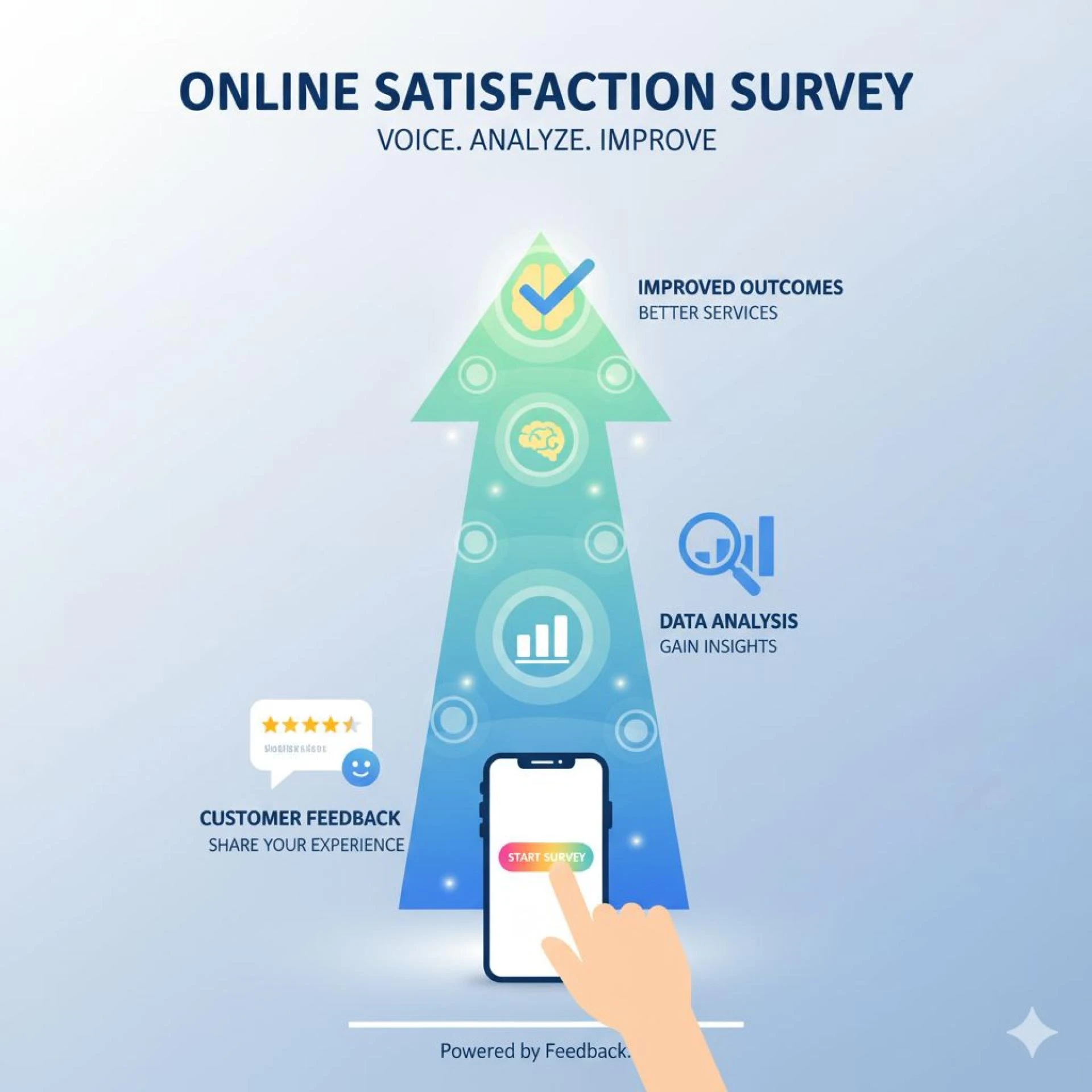
Why Online Satisfaction Surveys Matter
Employee happiness directly affects productivity, retention, and team morale. Without a structured way to gather honest feedback, it’s easy for communication gaps to grow. Online satisfaction surveys bridge that gap by offering employees a safe, anonymous space to share their true experiences.
Some key benefits include:
- Uncovering workplace issues early before they affect performance.
- Building trust through transparent listening and action.
- Boosting engagement by showing employees their feedback leads to change.
- Enhancing communication between management and staff.
When employees feel heard, they’re more likely to stay loyal and motivated—creating a ripple effect across the entire organization.
Creating a Survey That Employees Actually Want to Answer
The success of your survey depends not just on asking questions—but asking the right ones, in the right way. When creating a survey, keep these essentials in mind:
- Define a clear goal
- Decide what you want to learn. Are you exploring overall satisfaction, leadership trust, work-life balance, or company culture? Having a focus ensures your questions gather actionable data.
- Keep it short and simple
- Long surveys often cause fatigue, leading to incomplete responses. Aim for 10–15 well-chosen questions that can be completed in under 5 minutes.
- Use a mix of question types
- Combine multiple-choice, rating scales, and open-ended questions to capture both quantitative and qualitative feedback.
- Ensure anonymity
- Honest feedback thrives when employees know their responses are confidential. Always clarify that results will be used for improvement, not evaluation.
- Avoid biased language
- Neutral, balanced wording helps prevent leading answers. For instance, instead of asking “Do you enjoy our excellent management team?” say “How would you rate communication with your manager?”
- End with an open question
- Give employees space to share additional thoughts. These open comments often uncover valuable insights that structured questions miss.
What to Ask in an Employee Satisfaction Survey
Choosing the right questions can make or break your results. Consider dividing questions into key themes that reflect the full employee experience.
1. Job Satisfaction
- Do you feel your work is valued by the organization?
- How satisfied are you with your current workload?
- Do you have the tools and resources you need to perform effectively?
2. Leadership and Management
- Do you trust your manager’s decisions?
- How often do you receive useful feedback?
- Do you feel supported in your professional development?
3. Company Culture
- How would you describe the overall work environment?
- Do you feel included and respected by your team?
- How likely are you to recommend our company as a good place to work?
These categories help ensure that your online satisfaction surveys capture a full picture of employee sentiment rather than focusing on isolated issues.
Tips for Better Survey Response Rates
Even the best questions won’t matter if employees don’t participate. To improve completion rates when creating a survey, try these strategies:
- Communicate the purpose clearly. Tell employees why the survey matters and how their input will shape future decisions.
- Choose the right timing. Avoid busy work periods or stressful seasons. Midweek mornings often yield higher response rates.
- Send gentle reminders. One or two follow-ups can significantly boost participation without feeling intrusive.
- Share the results and actions. Employees are more likely to respond next time when they see real outcomes from their feedback.
Transparency is the most powerful motivator—showing that every voice leads to visible change.
Turning Insights into Action
Collecting data is only half the job. What truly matters is how organizations act on the results of online satisfaction surveys. After analyzing responses, categorize feedback into short-term fixes and long-term goals.
- Short-term actions might include adjusting workloads or improving internal communication tools.
- Long-term actions could involve leadership training, revisiting company policies, or reshaping career growth opportunities.
Always communicate progress to employees. Regular updates like “Here’s what we learned, and here’s what we’re improving” demonstrate accountability and build lasting trust.
Common Mistakes to Avoid
When creating a survey, small oversights can reduce effectiveness. Avoid these pitfalls:
- Too many questions. Overly long surveys discourage completion.
- Ignoring feedback. Asking for input and not acting on it erodes trust.
- Complex language. Keep wording simple and easy to understand for everyone.
- No follow-up plan. Data without action provides no real value.
By staying aware of these missteps, organizations can ensure their surveys drive genuine improvement rather than frustration.
How Often Should You Run Employee Satisfaction Surveys?
There’s no one-size-fits-all answer, but consistency is key. Most organizations benefit from running online satisfaction surveys at least twice a year. This frequency helps track progress over time without overwhelming employees.
Some companies also conduct shorter pulse surveys quarterly to gauge quick feedback on specific initiatives or changes. The goal is to create a rhythm of listening and responding—not a one-time exercise.
Building a Happier Workplace
When used thoughtfully, online satisfaction surveys do more than collect opinions—they strengthen culture, improve communication, and make employees feel genuinely valued. Every response is a piece of insight that guides better decisions and a more positive work environment.
By creating a survey that prioritizes honesty, clarity, and action, organizations can transform feedback into real, lasting impact. The happiest workplaces are those that never stop listening.




























Sign in to leave a comment.