The hospitality industry thrives on guest satisfaction, personalized service, and consistent quality. As guest expectations continue to rise, hotels, resorts, and travel brands must understand what their visitors truly need. One of the most effective ways to gather this insight is by creating a survey that captures feedback at the right moments. When combined with the power of mobile forms, collecting and analyzing guest responses becomes more seamless, timely, and accurate.
This article explores how hospitality organizations can design effective surveys, why mobile-friendly formats matter, and how real-time digital data can elevate the overall guest journey.
Understanding the Role of Feedback in Hospitality
Guest feedback plays a crucial role in shaping a hospitality brand’s reputation. Today’s travelers not only expect exceptional service but also want their voices heard. They appreciate the opportunity to express what they enjoyed, what could improve, and how the experience made them feel.
Surveys help organizations identify:
- Service gaps
- Strengths to maintain
- Staff performance patterns
- Facility or amenity-related issues
- Opportunities to personalize future experiences
By collecting feedback at various touchpoints—booking, check-in, during stay, and check-out—brands gain a full picture of the guest experience.
Why Mobile-First Feedback Methods Matter
Modern travelers rely heavily on their smartphones. Whether booking stays, checking in online, or browsing local recommendations, guests expect everything to be mobile-friendly.
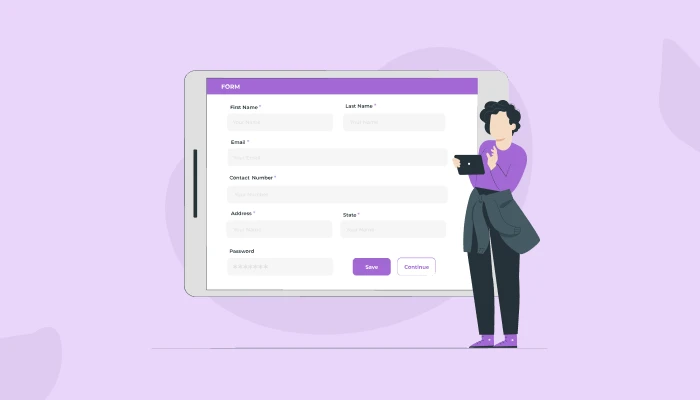
This shift makes mobile forms an essential tool in hospitality feedback collection. Digital forms adapt to any screen size, allow instant responses, and eliminate barriers that older methods (paper forms or desktop-only surveys) often create.
Mobile-friendly surveys contribute to:
- Higher response rates
- Faster submission
- Improved accuracy
- Real-time insights for quick issue resolution
This seamless experience encourages guests to participate without feeling inconvenienced.
Best Practices for Creating a Survey for Hospitality
Designing an effective survey requires clarity, strategy, and user empathy. Here are essential principles to follow when creating a survey for hotel guests or hospitality customers:
1. Keep Questions Short and Focused
Hospitality guests often complete surveys on the go. Long questions or lengthy forms reduce completion rates. Stick to concise, easy-to-understand questions that address specific feedback categories such as cleanliness, staff behavior, facility quality, and food experience.
2. Use a Mix of Question Types
Variety keeps the survey engaging while helping collect different types of data. Consider mixing:
- Rating scale questions (1–10 or star ratings)
- Multiple-choice questions
- Yes/No questions
- Open-ended responses for qualitative insights
This balanced approach ensures better accuracy and deeper insights.
3. Collect Feedback at the Right Moment
Timing plays a significant role in response quality. For example:
- Post-check-in surveys capture first impressions
- Mid-stay surveys help address issues immediately
- Post-check-out surveys gather final experience insights
Using mobile forms makes it easy to trigger surveys at these ideal touchpoints, significantly improving participation and usefulness.
4. Personalize the Survey Experience
Hospitality is built on personalization—and surveys should follow the same principle. Address guests by name, reference their stay details, and tailor questions based on the services they used. Personalized surveys show guests that their feedback matters.
5. Limit the Survey to 2–5 Minutes
Guests are more likely to respond when surveys are short and clearly structured. Limiting completion time increases participation while maintaining data quality.
How Mobile Forms Enhance Guest Feedback Collection
Digital forms have transformed how hospitality brands gather feedback. Here are some advantages of using mobile forms in this process:
1. Instant Feedback During Stay
Mobile-friendly surveys allow hotels to collect feedback instantly while the guest is still on the property. If a guest marks dissatisfaction with room cleanliness, the housekeeping team can respond immediately—often before checkout.
2. Higher Response Rate Due to Convenience
Guests prefer quick, tappable forms over paper feedback sheets left in rooms. Since mobile-friendly surveys require no downloads or complicated steps, they encourage more responses.
3. Visual Inputs Improve Data Quality
Modern forms support:
- Photo uploads
- Screenshots
- Digital signatures
These added elements help guests communicate more clearly, allowing staff to understand issues more accurately.
4. Real-Time Alerts and Data Insights
Mobile-based survey tools often update responses instantly. This allows managers to:
- Monitor satisfaction levels in real time
- Identify repeated complaints
- Take immediate corrective action
- Track overall performance across departments
Real-time response helps maintain high service standards.
5. Works Across All Guest Touchpoints
Whether at the front desk, spa, restaurant, or during room service, mobile-friendly forms integrate seamlessly. Staff can share links via QR codes, SMS, or email, making participation effortless.
Examples of Hospitality Survey Questions
Creating strong questions helps gather actionable feedback. Here are examples you can include when creating a survey for hospitality:
- “How would you rate the check-in process?”
- “Was your room clean and comfortable?”
- “How friendly and helpful was our staff?”
- “How satisfied are you with the dining experience?”
- “What can we improve to make your stay better?”
- “Would you recommend our property to others?”
Keep the tone polite, neutral, and easy for guests to understand.
Improving Guest Experience Using Survey Insights
Surveys become truly valuable only when brands act on the collected insights. Here’s how hospitality teams can use feedback data effectively:
1. Resolve Service Issues Quickly
Real-time alerts allow staff to resolve concerns before they escalate. Addressing issues immediately boosts guest satisfaction and reduces negative reviews.
2. Train Staff Based on Common Feedback Themes
Survey data often reveals patterns. If guests consistently praise or criticize specific behaviors, the management team can adjust staff training accordingly.
3. Enhance Amenities and Facilities
Feedback about spa services, food variety, room comfort, or Wi-Fi quality helps prioritize upgrades that matter most to guests.
4. Build Stronger Loyalty and Returning Guests
When guests feel heard—and notice improvements—they are more likely to return and recommend the property to others. Surveys help build this trust.
Conclusion
In an industry where guest satisfaction determines success, hospitality brands must adopt smarter, more efficient ways to understand guest needs. Using mobile forms simplifies data collection, boosts response rates, and produces more accurate insights. Meanwhile, thoughtfully designed surveys allow organizations to refine services and create memorable guest experiences.
Whether it's during check-in or after checkout, capturing feedback effectively gives hospitality businesses the advantage they need to stay competitive.































Sign in to leave a comment.