In the B2B world, client relationships evolve over long sales cycles, complex service agreements, and ongoing collaboration. Understanding how clients feel at each stage is essential for retaining them and improving service quality. This is where online satisfaction surveys and tools like an NPS calculator become highly effective. When used together, they offer a structured, measurable, and continuous feedback loop that helps organizations refine their performance and sustain long-term partnerships.
The Importance of Client Feedback in B2B Environments
B2B companies rely heavily on repeat business, long-term contracts, and strong client loyalty. Losing even one major client can significantly impact revenue. Therefore, having a reliable system to gather and analyze feedback is crucial. Unlike B2C interactions, B2B clients expect transparency, quick resolutions, and strategic collaboration.
Feedback mechanisms help companies:
- Identify friction points early
- Measure satisfaction levels regularly
- Align services with client expectations
- Strengthen trust and communication
What Makes Online Satisfaction Surveys Effective for B2B Clients?
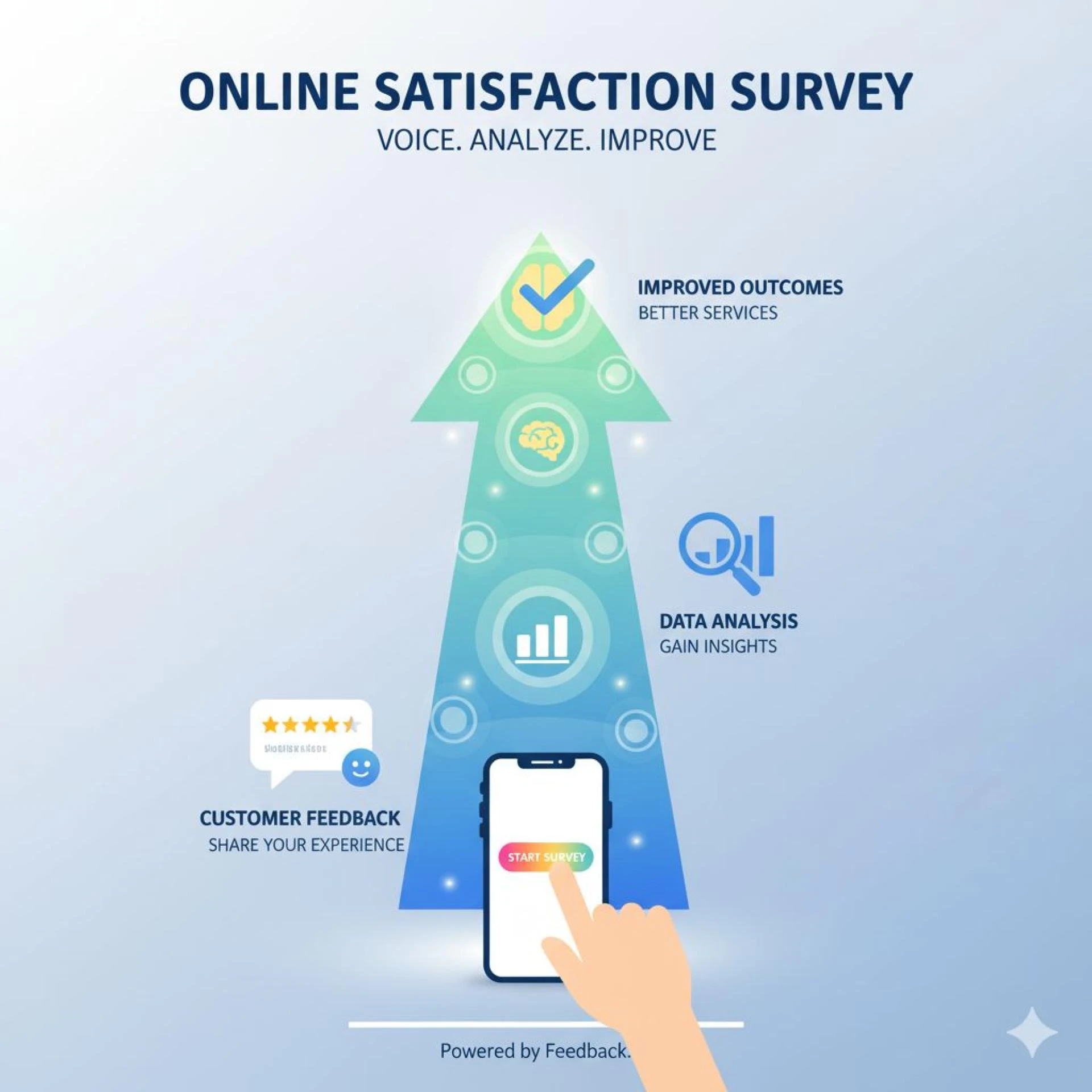
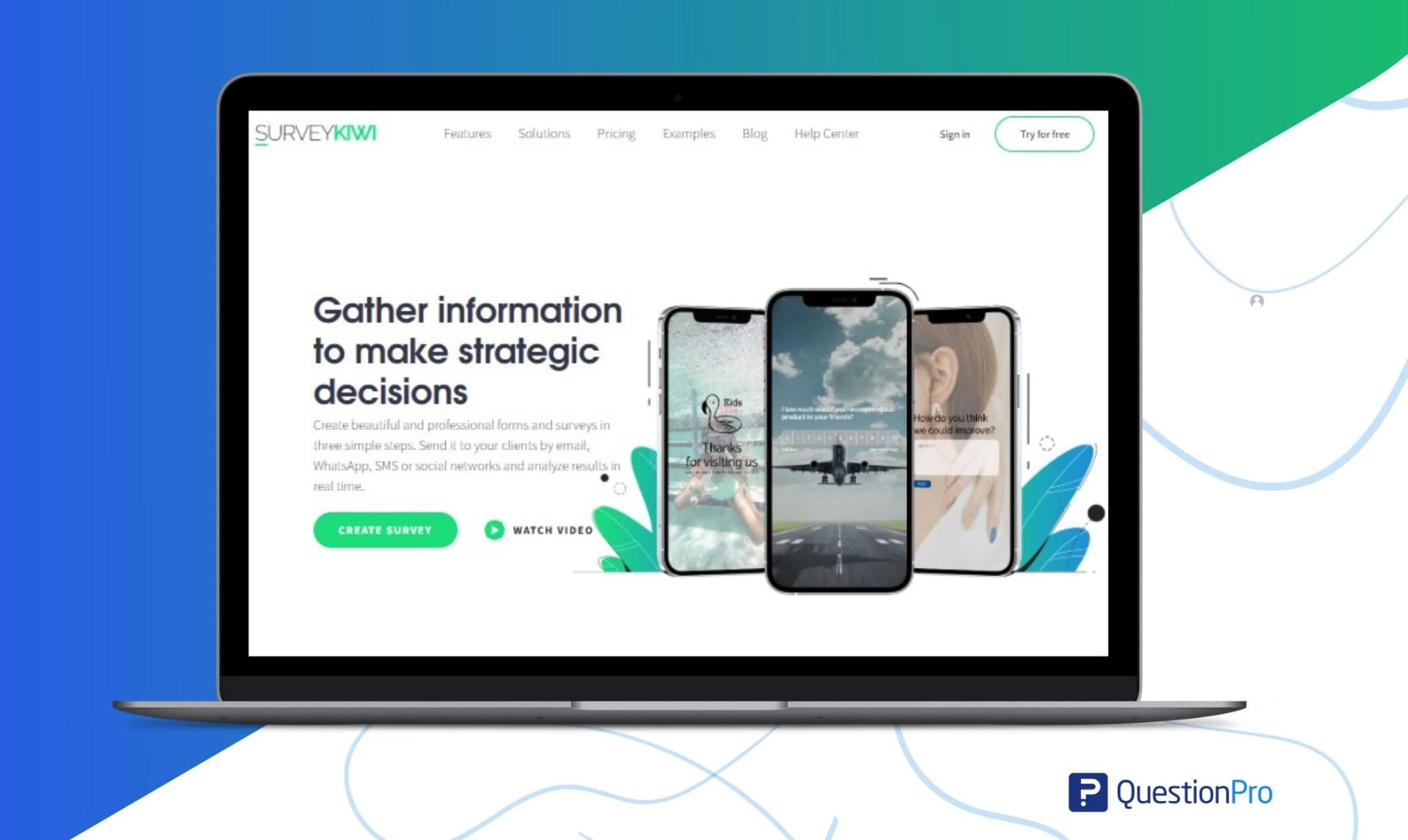
Online satisfaction surveys provide a simple yet powerful way to capture client sentiment without interrupting their workflow. Their effectiveness stems from several factors:
1. Convenience and Scalability
Clients can respond anytime and from any device. This flexibility increases response rates and ensures feedback is collected consistently across multiple touchpoints.
2. Customizable Question Formats
Surveys can be tailored to measure specific service areas such as onboarding, delivery quality, communication, support efficiency, and product performance. This level of customization makes feedback actionable.
3. Faster Data Collection
Instead of waiting for periodic check-in calls, digital surveys allow B2B teams to capture real-time sentiment. This helps businesses respond quickly to emerging issues.
4. Better Response Accuracy
Because responses are recorded privately and digitally, clients often feel more comfortable expressing honest opinions—something that may not always happen in direct conversations.
How an NPS Calculator Complements Survey Insights
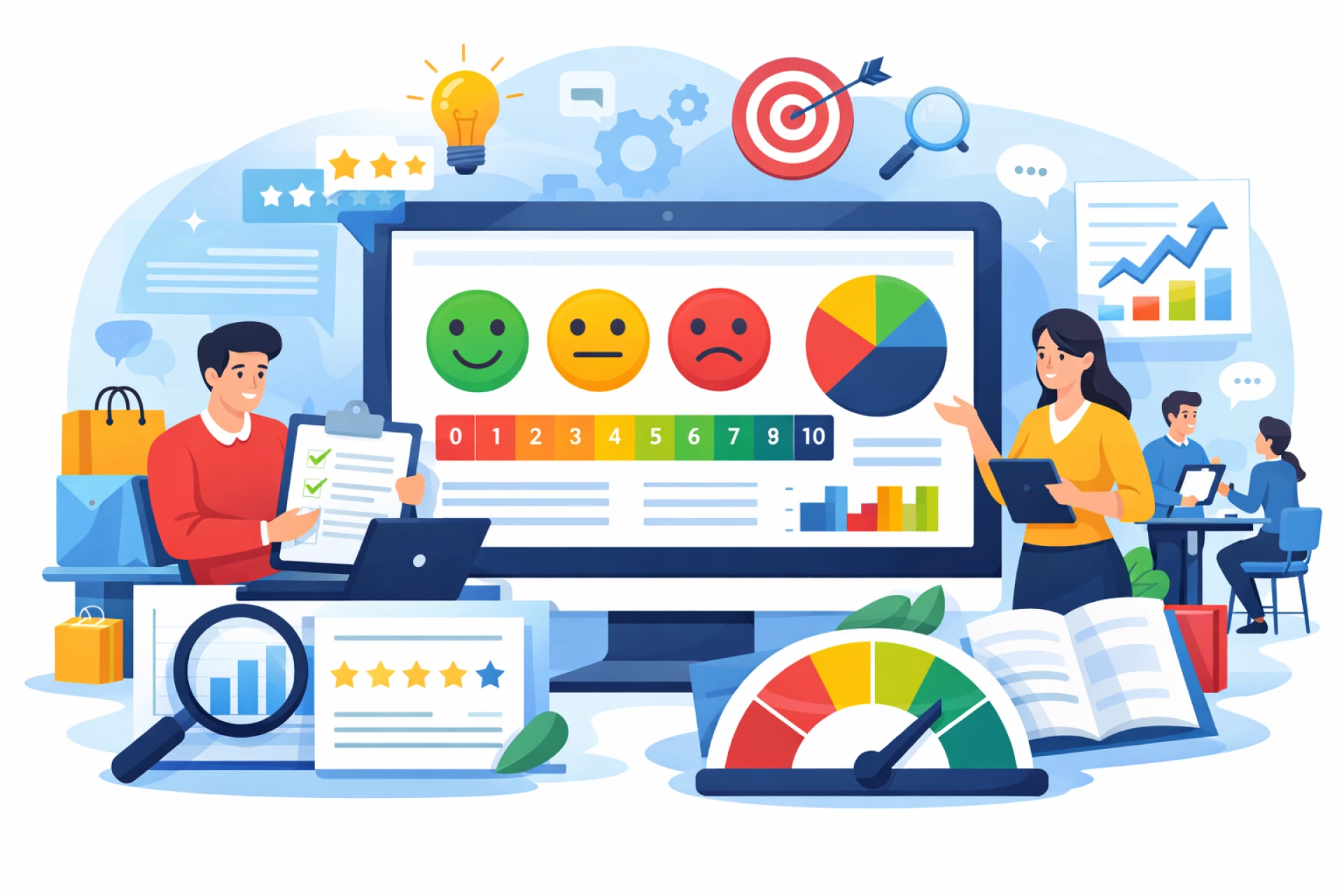
While standard survey questions provide qualitative insights, an NPS calculator adds a layer of quantitative measurement. The Net Promoter Score (NPS) is widely used across industries to gauge loyalty and predict retention. Calculating NPS helps companies assess whether clients are likely to refer their services to others—a critical indicator of long-term satisfaction.
1. A Unified Metric for Client Loyalty
An NPS calculator provides a single, standardized score that simplifies comparison across departments, service lines, and client segments.
2. Predicting Long-Term Business Outcomes
Higher NPS scores often correlate with better retention, higher renewal rates, and increased cross-selling opportunities. Low scores highlight areas requiring immediate attention.
3. Turning Raw Data Into Strategic Decisions
By pairing survey responses with NPS insights, teams can interpret not just what clients think but how strongly they feel. This combination helps identify patterns and allows more informed decision-making.
Why Combining Surveys and an NPS Calculator Strengthens Client Relations
1. Creates a Complete Feedback Framework
Using both tools ensures that feedback covers:
- Experience quality (via surveys)
- Loyalty strength (via NPS)
- Together, they offer a multi-dimensional view of client perceptions—something isolated methods cannot achieve.
2. Helps Track Satisfaction Across the Client Lifecycle
B2B relationships span multiple phases, from onboarding to renewal. Surveys can capture the qualitative insights at each touchpoint, while an NPS calculator provides a periodic loyalty benchmark. This allows companies to see how satisfaction evolves over time.
3. Facilitates Early Detection of Issues
Survey results detect practical problems like slow communication or service delays. NPS scores reveal emotional shifts and potential dissatisfaction. When combined, businesses can identify the root cause and act before the issue grows.
4. Supports Continuous Improvement
Data collected from surveys and NPS metrics helps teams refine service processes, update workflows, and develop better support strategies. This proactive approach builds trust and strengthens partnerships.
5. Enhances Transparency and Engagement
Clients appreciate companies that ask for feedback and act on it. Sharing how feedback influences decisions strengthens relationships and promotes long-term collaboration.
Best Practices for Using This Feedback Combination in B2B Settings
1. Keep Surveys Short and Specific
Focused questions lead to higher response rates and clearer insights. Avoid long questionnaires that overwhelm busy clients.
2. Schedule Feedback at Key Touchpoints
Ideal moments include onboarding completion, quarterly reviews, project deliveries, or at contract renewal periods.
3. Use an NPS Calculator Periodically
Instead of collecting NPS too frequently, run it at strategic intervals—such as every quarter—to track loyalty trends without causing survey fatigue.
4. Segment Client Data
Comparing feedback across industries, business sizes, or service tiers helps identify which segments need attention.
5. Close the Feedback Loop
Always acknowledge feedback, implement improvements, and communicate changes back to clients. This demonstrates commitment and builds long-term trust.
How Feedback Data Can Shape Long-Term Client Strategy
When properly analyzed, survey and NPS data guide strategic decisions like:
- Improving service quality
- Enhancing client experience processes
- Training internal teams
- Optimizing onboarding workflows
- Developing new service features
Over time, these improvements contribute to stronger and more resilient client relationships.
Conclusion
In the highly competitive B2B landscape, understanding client expectations is essential for sustainable growth. Combining online satisfaction surveys with the analytical power of an NPS calculator creates a robust feedback ecosystem. This approach not only measures experience quality but also reveals long-term loyalty indicators. When businesses act on these insights, they build deeper trust, ensure consistent service improvements, and nurture lasting client partnerships.


























Sign in to leave a comment.