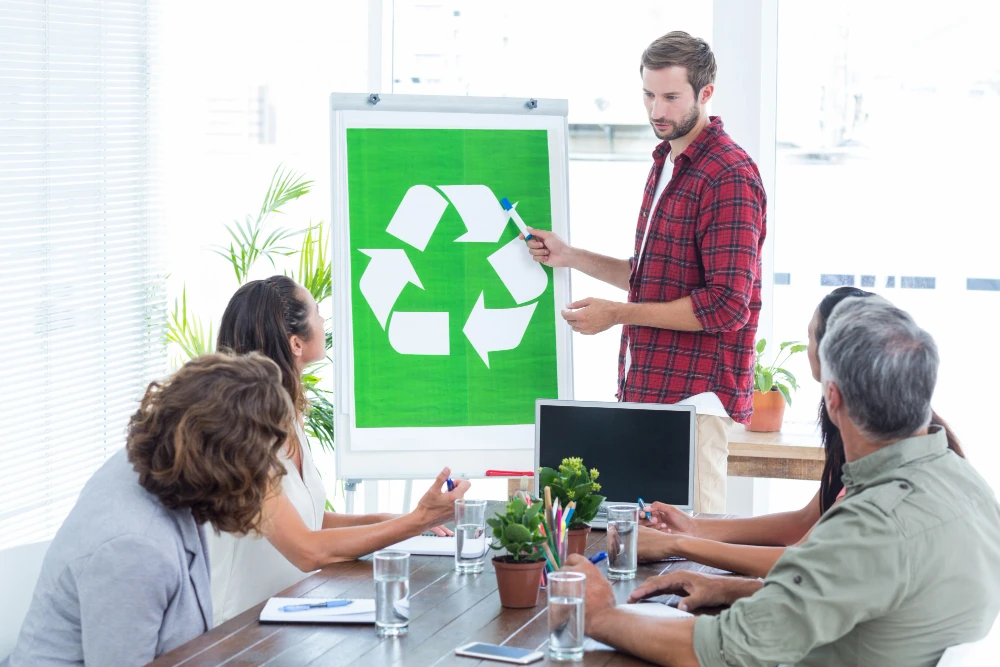

In a world confronted by escalating environmental challenges, the manner in which we handle waste has become a pivotal point of concern. The concept of sustainable waste management is no longer just an idealistic notion; it has evolved into a critical necessity for the longevity of our planet and the well-being of future generations.
Preservation of Natural Resources
Sustainable waste management revolves around the notion of reducing, reusing, and recycling. By adopting these principles, we minimize the strain on natural resources. Think about it: every item we reuse or recycle is one less new resource extracted from the Earth. This, in turn, reduces deforestation, water consumption, and fossil fuel extraction, conserving our environment for the future.
Mitigating Environmental Impact
The traditional ‘take, make, dispose’ model of consumption has resulted in significant environmental degradation. Improper waste disposal pollutes our air, soil, and water bodies. Waste management curtails these harmful impacts. By properly treating and disposing of waste, we prevent toxins from seeping into the environment, mitigating pollution and its adverse effects on ecosystems and human health.
Building a Circular Economy
Sustainable waste management is a cornerstone of the circular economy model. It aims to keep materials in use for as long as possible, extracting their maximum value and then regenerating products and materials at the end of their life cycle. This shift from a linear to a circular model not only reduces waste but also fosters innovation, creating new economic opportunities while reducing the burden on the environment.
Climate Change Mitigation
The decomposition of organic waste in landfills releases methane, a potent greenhouse gas contributing to climate change. By implementing sustainable waste management practices, such as composting organic matter and utilizing renewable energy from waste, we can significantly reduce greenhouse gas emissions. This proactive approach plays a crucial role in mitigating climate change effects.
Empowering Communities and Economies
Waste management isn’t merely about environmental benefits; it also holds immense social and economic advantages. Communities embracing these practices often witness job creation through recycling and upcycling industries. Moreover, these communities experience a higher quality of life due to reduced pollution and improved health conditions.
Individual Responsibility
Each person plays a pivotal role in the larger narrative of sustainable waste management. From reducing single-use plastics to segregating waste for recycling, individual actions collectively contribute to a significant impact on waste reduction and secure product destruction or removal.
Conclusion
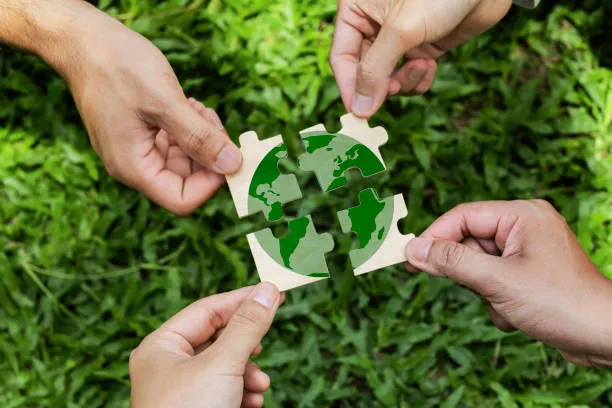
The necessity for sustainable waste management is not just a choice but a responsibility. It's a commitment to safeguard the environment, conserve resources, mitigate climate change, and ensure a better, healthier future for generations to come. Through collective efforts and a fundamental shift in our approach to waste, we can pave the way for a more sustainable and harmonious existence on this planet.

















Sign in to leave a comment.